On November 5, 2025, the European Chemicals Agency (ECHA) officially added decabromodiphenyl ethane (DBDPE) to the 35th batch of the Candidate List of Substances of Very High Concern (SVHC). According to REACH regulations, products exported to Europe with a DBDPE content exceeding 0.1% and an annual export volume exceeding 1 tonne must complete compliance registration by May 5, 2026. Canada's concurrently issued *Prohibition of Certain Toxic Substances Regulations, 2025* is even stricter, prohibiting in principle the production, use, sale, and import of DBDPE. DBDPE once served as the main substitute after decabromodiphenyl ether was banned, and was widely used in flame-retardant systems for wire and cable, electronic and electrical products, and more. As global environmental regulations continue to tighten, the heat-shrink tubing industry urgently needs to find safe and reliable alternatives.
Traditional heat-shrink tubing mostly uses bromine-based or red phosphorus flame-retardant systems, but both have limitations—bromine-based systems face environmental compliance pressure, while red phosphorus is limited in application due to color restrictions (only suitable for dark-colored products) and its tendency to exude and cause corrosion. Halogen-free and red phosphorus-free flame-retardant systems have become the mainstream alternative direction in the heat-shrink tubing industry. Relevant patent technologies show that using a combination of phosphate-based flame retardants (20–40 parts) and melamine-based flame retardants (8–30 parts) with an ethylene-vinyl acetate copolymer matrix can enable heat-shrink tubing to pass the VW-1 flame retardant test while meeting the performance requirements of tensile strength > 10.4 MPa and elongation at break > 200%. Another technical route uses magnesium hydroxide (120–160 parts) as the main flame retardant, combined with hexaphenoxycyclotriphosphazene (15–30 parts) and melamine cyanurate (15–30 parts), achieving good flame retardancy and radiation resistance.
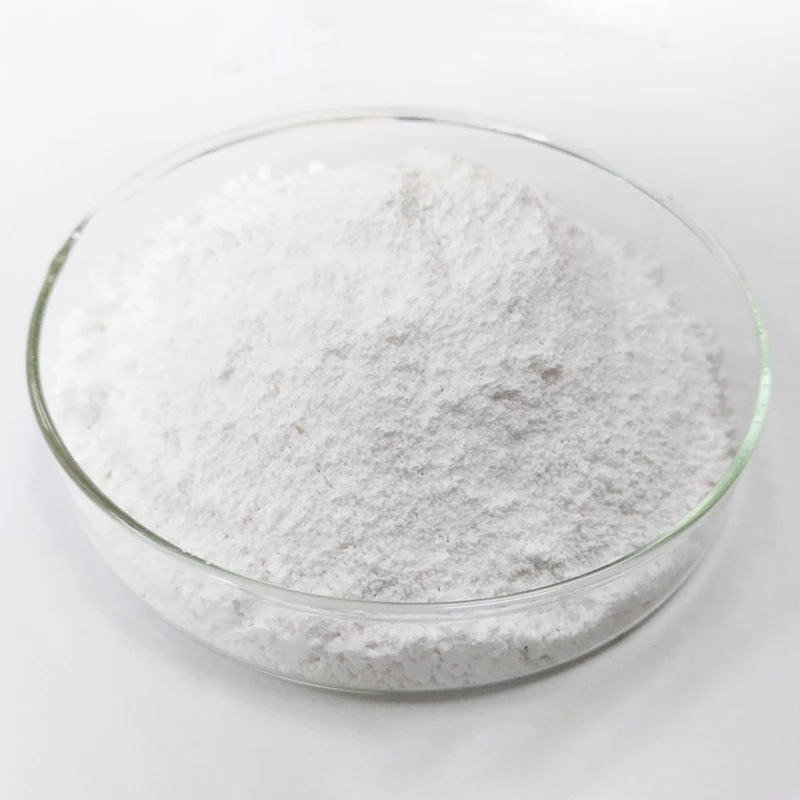
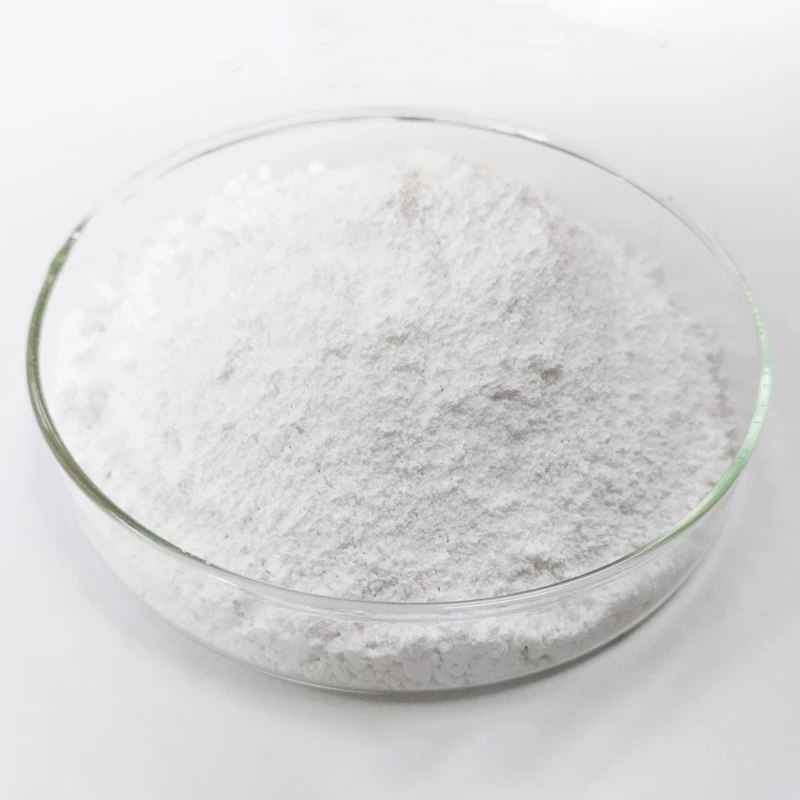
Dongguan Hongtaiji Flame Retardant Materials Co., Ltd. has launched HF-122, a halogen-free and red phosphorus-free environmentally friendly flame retardant for the heat-shrink tubing industry. The product is a white powder with active ingredient content ≥ 99.5%, whiteness ≥ 95%, and average particle size D50 ≤ 4.0 μm. HF-122 has the advantages of smoke suppression, melt dripping resistance, carbonization promotion, non-volatility, and non-exudation. When used in colored heat-shrink tubing, it can easily meet the VW-1 flame retardant standard, and the tubing after irradiation has no creases and good scratch resistance. Specific formula example: 90 kg EVA, 60 kg HF-122, 30 kg MCA; heat-shrink tubing prepared with this ratio can pass the VW-1 test. The product complies with RoHS directives and REACH regulations. In addition, Hongtaiji also provides a series of halogen-free flame retardants for polyolefin cable heat-shrink tubing, specially designed for cable substrates such as PE/EVA/POE, giving materials excellent flame retardancy while significantly reducing smoke and toxic gas release. The products have good dispersibility and water extraction resistance, ensuring that heat-shrink tubing maintains excellent mechanical strength and electrical insulation performance over the long term.
As DBDPE is gradually phased out globally, halogen-free and red phosphorus-free flame-retardant heat-shrink tubing is moving from high-end customization to an industry standard. Planning ahead for halogen-free and red phosphorus-free flame-retardant solutions is not only a necessary choice to address environmental compliance, but also a strategic measure to enhance product competitiveness.