
Nylon (PA6, PA66), with excellent mechanical strength, temperature resistance, and wear resistance, is widely used in electronic connectors, automotive parts, power tools, low-voltage electrical appliances, and other fields, but pure nylon has a limiting oxygen index of only about 24%, and its vertical burning rating is mostly V-2; it continues to burn upon ignition and is accompanied by dripping, so professional flame-retardant modification is required to meet industry safety requirements. Unlike general-purpose flame retardants, flame retardants dedicated to PA nylon need to match nylon's high-temperature processing window, balance flame-retardant efficiency, mechanical properties, and electrical insulation, and require targeted selection for different systems such as pure resin and glass fiber reinforcement; blindly applying formulations for other plastics can easily lead to problems such as failure to meet flame-retardant standards, processing decomposition, and decreased physical properties.
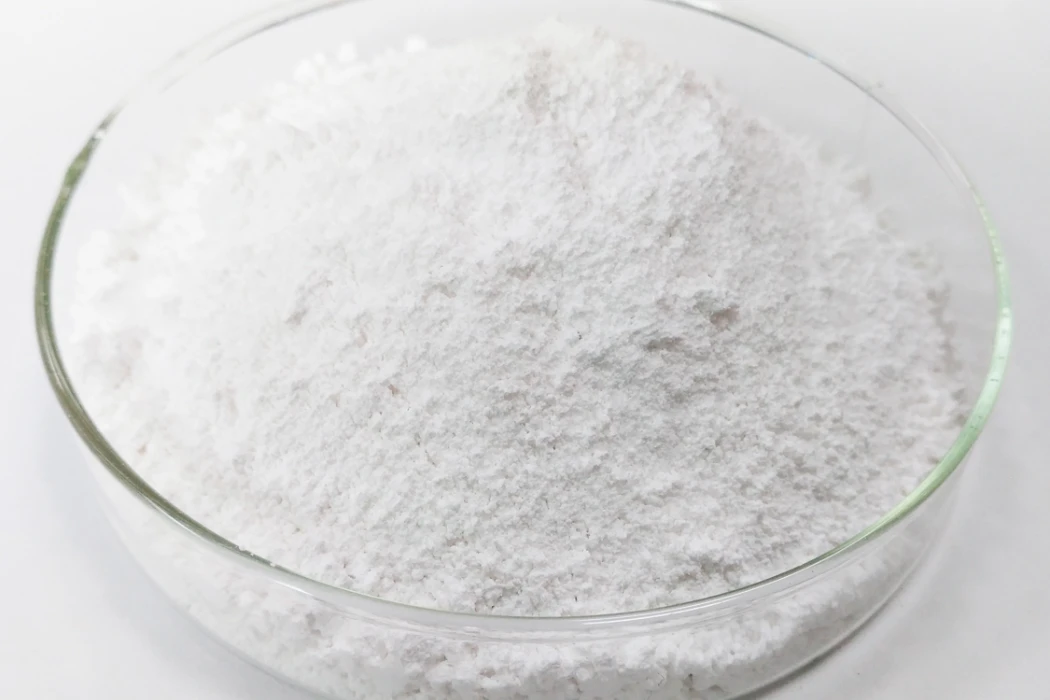
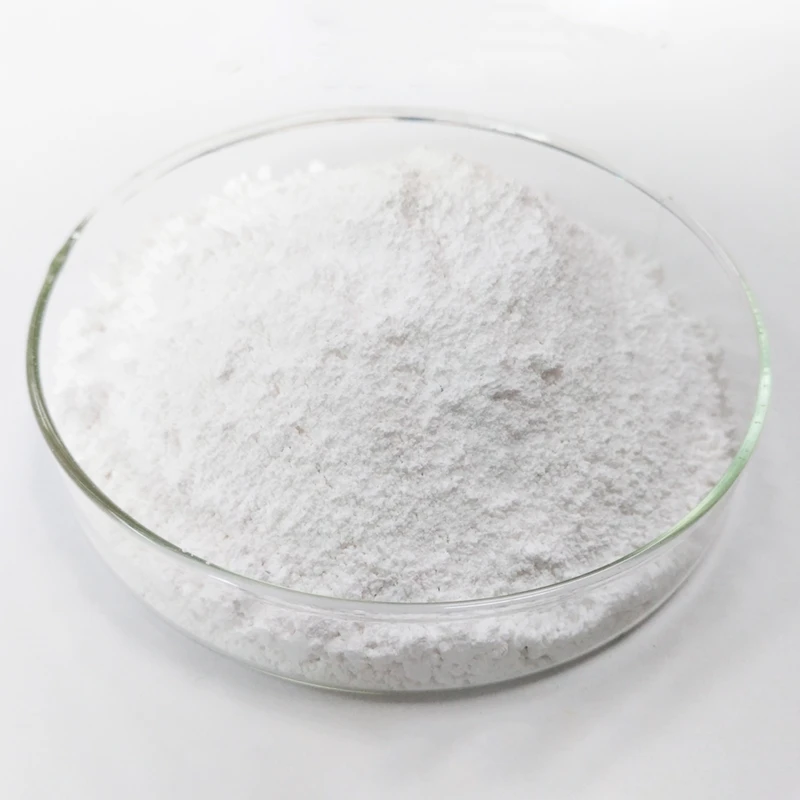
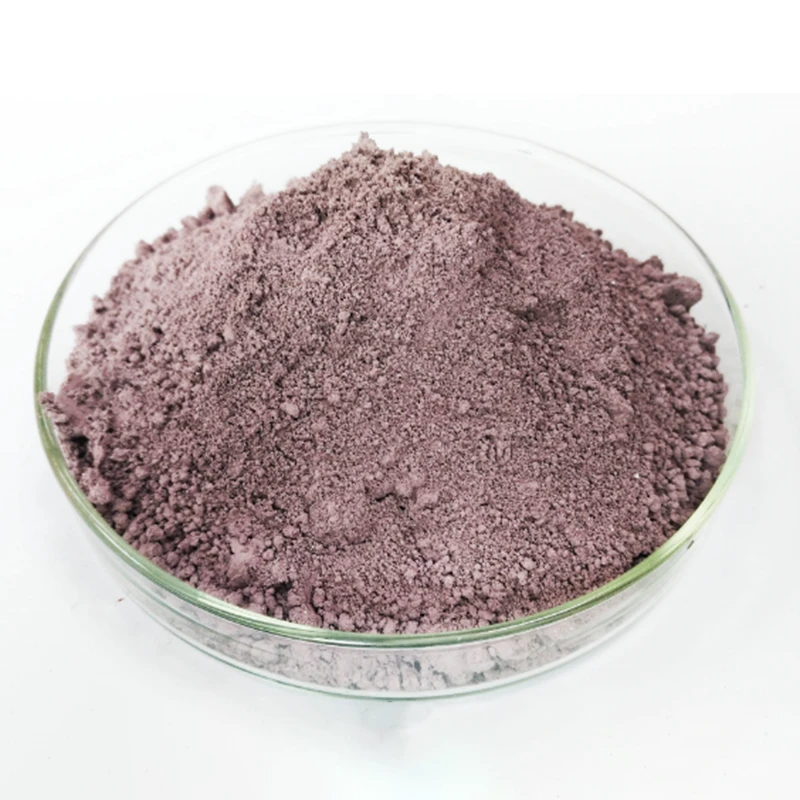
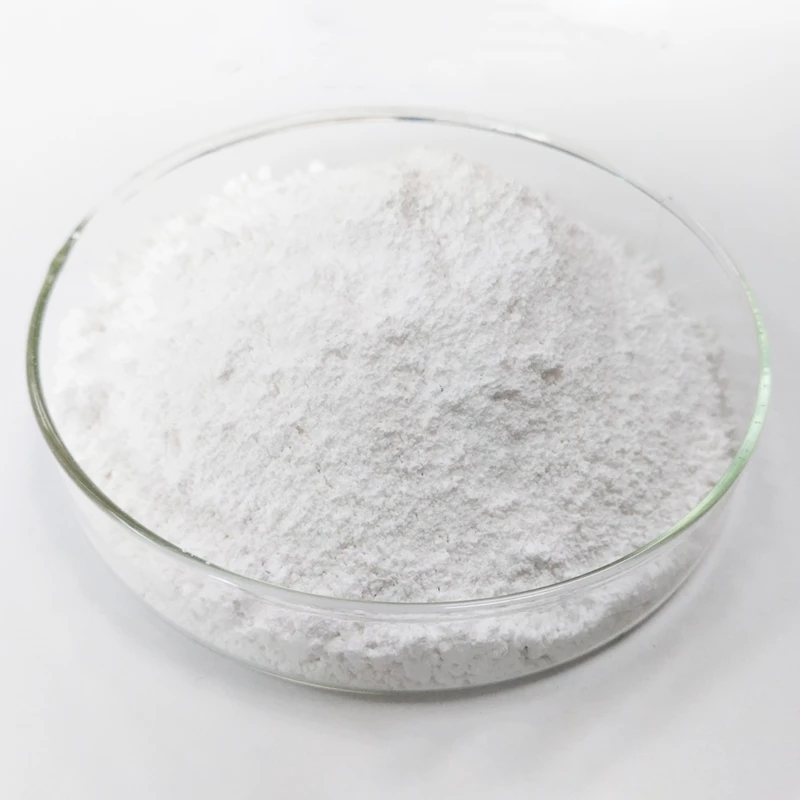
At present, the mainstream halogen-free flame-retardant systems dedicated to PA nylon in the industry are divided into three categories, each with clear application scenarios. The first category is melamine cyanurate (MCA) nitrogen-based flame retardants, which are also the dedicated variety with the largest usage in pure nylon systems; they are white powders with low smoke, low toxicity, excellent electrical insulation, and no restrictions on product coloring, suitable for electronic and electrical appearance parts and insulating components; among them, PA66 and MCA have a higher degree of matching in decomposition range, and at the same grade the addition amount is lower than that for PA6; nano-grade MCA can further reduce the addition amount and reduce precipitation and blooming, suitable for thin-wall precision products. The second category is microcapsule-coated red phosphorus flame retardants, which have high phosphorus content and outstanding flame-retardant efficiency; a small addition can achieve UL94 V-0 rating, with little impact on mechanical properties, making them a cost-effective choice for dark-colored nylon structural parts; multi-layer coating technology can solve the safety hazards of ordinary red phosphorus, such as easy oxidation and phosphine release. The third category is the phosphorus-nitrogen composite system of melamine pyrophosphate (MPP) and aluminum hypophosphite (ADP), designed specifically for glass fiber reinforced nylon; it can effectively offset the “candlewick effect” of glass fiber and form a dense intumescent char layer on the material surface; a total addition of 15%-20% can make a nylon system with 30% glass fiber content reach V-0 rating, balancing flame retardancy and structural mechanical properties.
During selection, it is necessary to combine the three core factors of substrate type, product color, and whether glass fiber reinforced, and give priority to dedicated products with thermal stability matching nylon processing temperature and strong batch consistency. The nylon-specific flame retardants from Dongguan Hongtaiji Flame Retardant Materials cover the full range of conventional MCA, nano-grade MCA, coated red phosphorus, and MPP, with excellent thermal stability and uniform and controllable particle size; the entire product series complies with RoHS and REACH environmental standards, supports free samples and one-on-one formula debugging, and can adapt to the flame-retardant modification needs of different nylon systems.