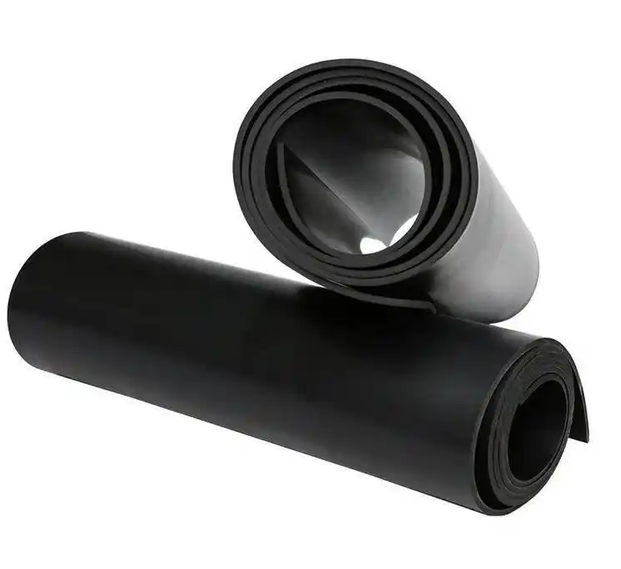

Ethylene propylene diene monomer (EPDM) rubber, with excellent weather resistance, aging resistance, and electrical insulation performance, is widely used in cable sheaths, building sealing strips, waterproof membranes, automotive hoses, and other outdoor and electrical scenarios. However, the EPDM main chain is a saturated hydrocarbon structure, which is inherently flammable and tends to drip during combustion, and has a low limiting oxygen index. Stably achieving UL94 V-0 rating is not simply a matter of adding flame retardants; it requires designing a balanced halogen-free flame retardant system in combination with the rubber's vulcanization characteristics and elasticity requirements. As low-smoke halogen-free has become an industry standard, balancing flame retardant rating, rebound resilience, and tensile properties has become a core topic in EPDM modification.
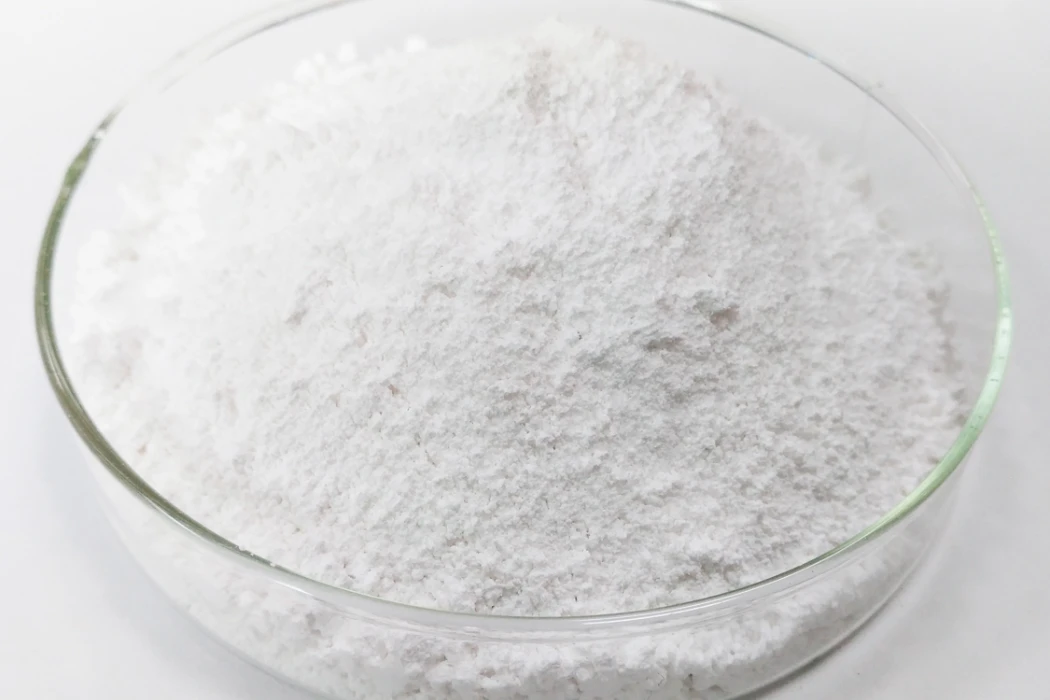
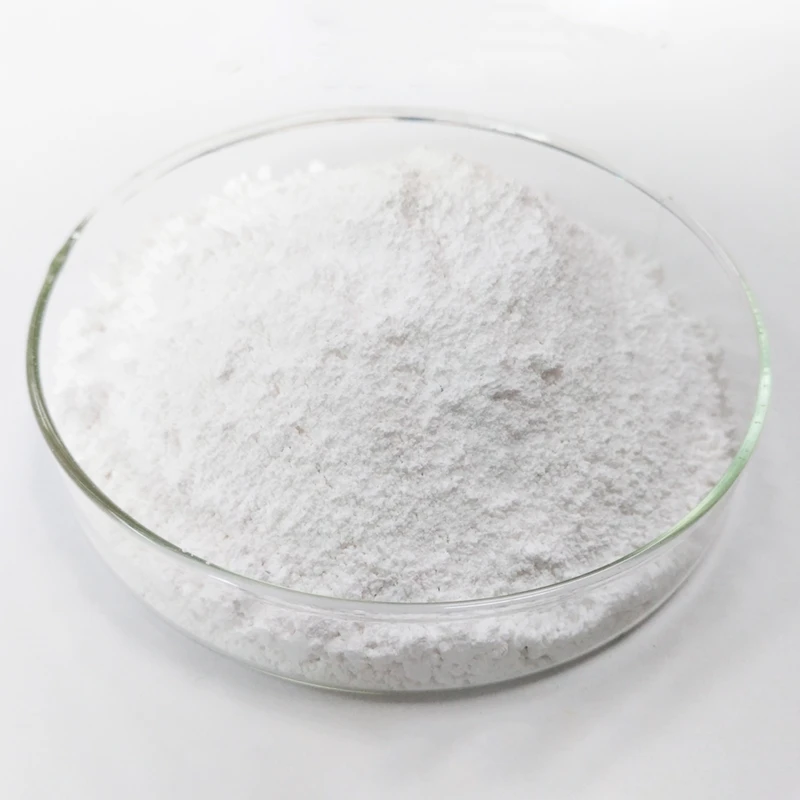
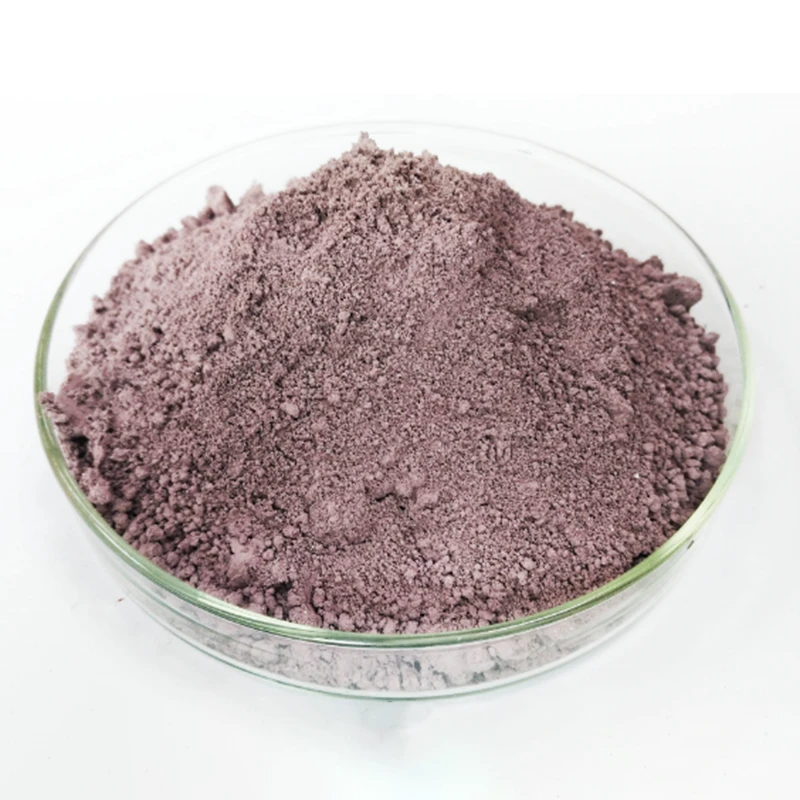
Currently, the mainstream route for EPDM to achieve V0 flame retardancy is a compounded approach of “inorganic base + phosphorus-nitrogen synergy.” Relying solely on aluminum hydroxide or magnesium hydroxide, which achieves flame retardancy by endothermic decomposition releasing water of crystallization and forming an inorganic thermal insulation layer, has low cost and good smoke suppression, but often requires extremely high filler loadings to meet the standard. This makes the compound hard, greatly reduces elongation, and makes mixing and processing difficult, so it is hard to balance rubber elasticity. A more mature approach uses modified aluminum hydroxide/magnesium hydroxide as the base filler, compounded with phosphorus-nitrogen components such as ammonium polyphosphate and aluminum hypophosphite. Through the synergistic effect of phosphorus-catalyzed char formation and nitrogen gas-phase dilution, a dense intumescent char layer is formed to block heat, achieving self-extinguishing after removal from flame at a lower total filler loading while preserving EPDM's original tensile strength and elongation at break to the greatest extent. There are three key details that cannot be ignored in formulation implementation: first, matching the vulcanization system; EPDM commonly uses peroxide vulcanization, and some acidic flame retardant additives can interfere with crosslinking efficiency, so cure curve verification is needed before selection; second, filler surface modification; powders treated with silane coupling agents have better compatibility with rubber, reducing blooming and improving dispersion uniformity; third, thickness sensitivity; thin-walled products have much higher requirements for flame retardant efficiency than thick-walled parts, and the addition ratios for thick products cannot be directly applied.
Dongguan Hongtaiji Flame Retardant Materials can provide surface-modified aluminum hydroxide, magnesium hydroxide, and phosphorus-nitrogen compounded halogen-free flame retardant solutions suitable for EPDM systems, with free samples and formulation debugging support. The entire product line complies with RoHS and REACH environmental standards, and can ensure flame retardant rating while balancing rubber elasticity and processing performance.