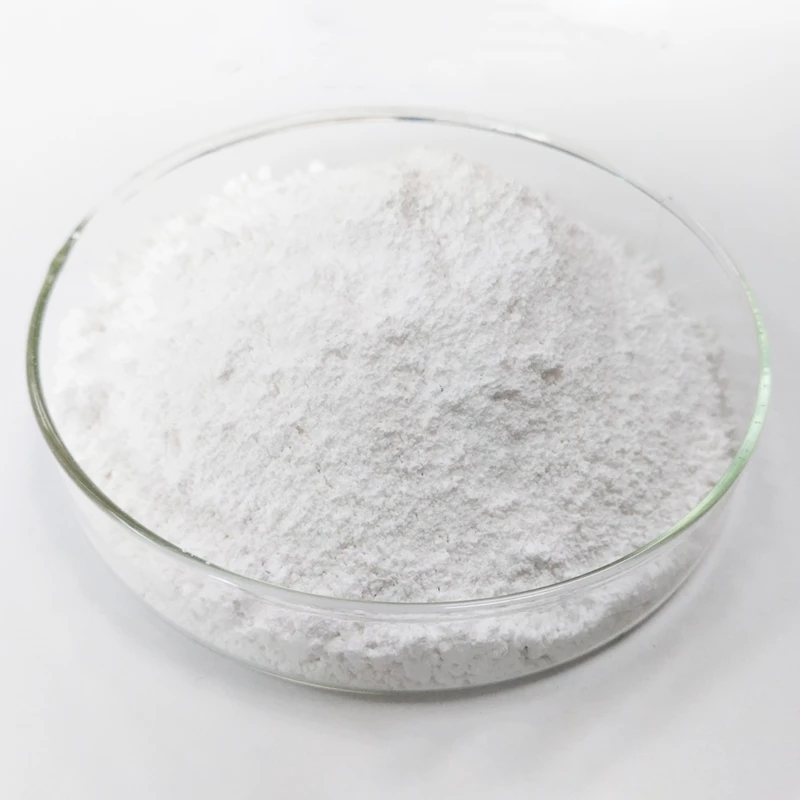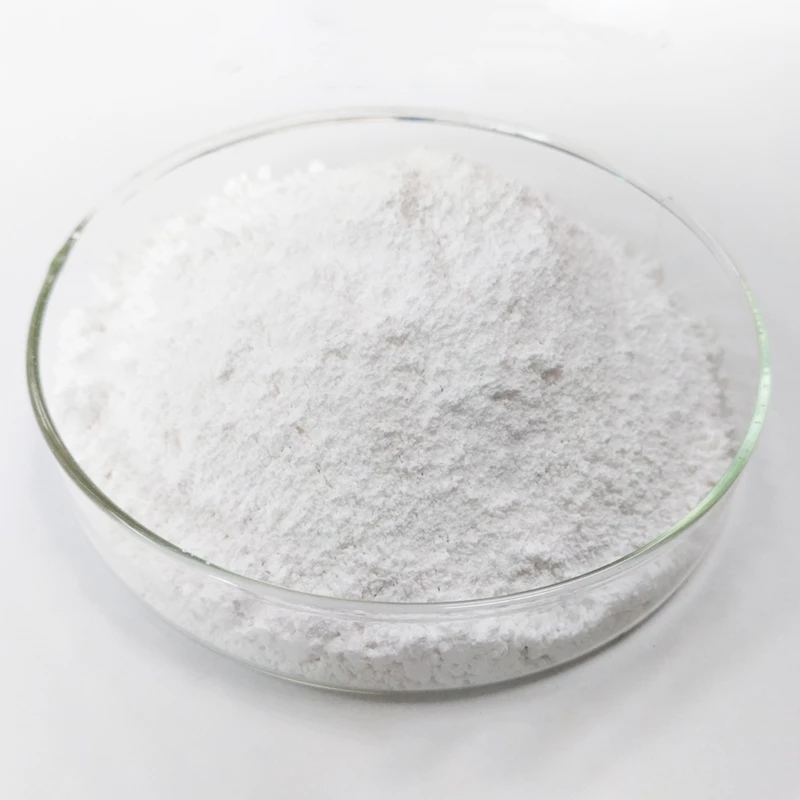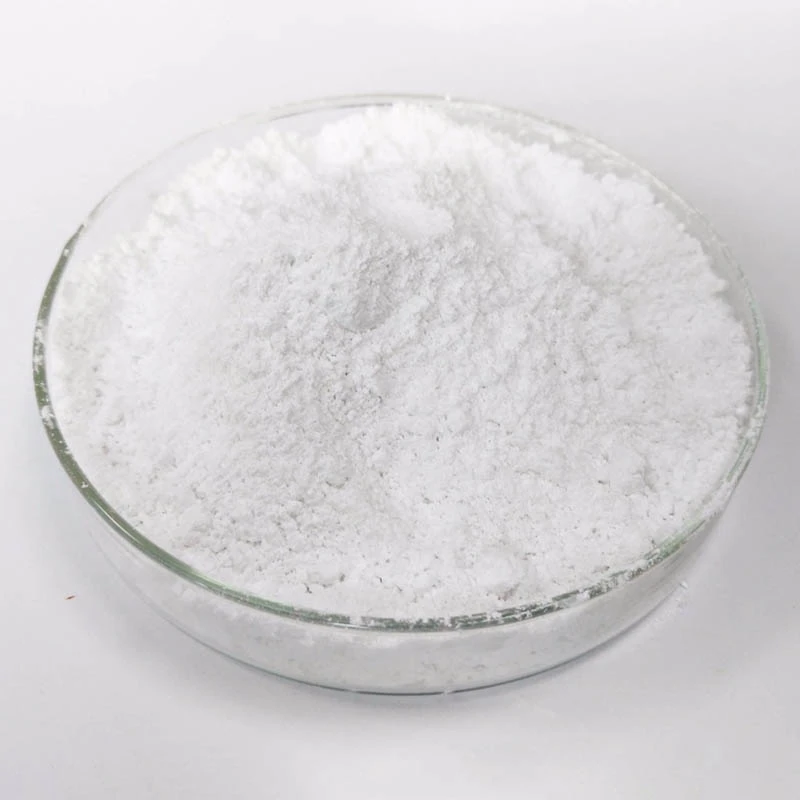

Melamine cyanurate (MCA) is one of the largest-volume and most widely used varieties of nitrogen-based halogen-free flame retardants; it is a white crystalline powder with low smoke, low toxicity, good electrical insulation, and little effect on product coloring, and it does not release corrosive gases such as hydrogen halides during combustion, meeting RoHS and REACH environmental requirements. Many people think MCA is only used in nylon, but in fact, through use alone or compounding with phosphorus-containing additives, it has already penetrated many fields such as engineering plastics, rubber, and new energy materials; the following is organized by actual applications.
The core and most mature application is flame-retardant modification of nylon PA6 and PA66. In polyamide systems, MCA relies on the synergy of gas-phase nitrogen release dilution and condensed-phase char formation, helping products reach UL94 V-0 without high loading and with little impact on mechanical properties and appearance, so it is widely used in electronic connectors, low-voltage electrical housings, switches and sockets, automotive functional parts, etc. Among them, PA66 has a higher melting point and better matching with the MCA decomposition range, so at the same rating the addition level is lower than for PA6; nano-grade MCA disperses more uniformly, can further reduce loading and improve exudation and whitening, and is suitable for thin-wall precision parts and spinning scenarios. The second application is synergistic flame retardancy in glass fiber reinforced systems; MCA alone has reduced efficiency under the glass fiber “wick effect,” so it is usually compounded with phosphorus-containing components such as MPP and aluminum hypophosphite, relying on phosphorus-nitrogen synergy to form a dense intumescent char layer on the surface, and is used in reinforced nylon structural parts. The third application extends to silicone rubber, polyurethane, wire and cable sheaths, and fireproof coatings, where its low smoke, insulation, and colorability make it suitable as a main flame retardant or synergistic component; in recent years, in new energy materials such as lithium battery separator coatings, MCA has also been used to improve thermal safety performance.
When selecting, note that MCA is not universal: when used alone in non-polar polyolefins and rigid PVC, its efficiency is limited and compounding is mostly required; ordinary micron-grade products are prone to moisture absorption and agglomeration, so for high-end thin-wall parts it is recommended to choose surface-modified or nano-grade specifications and conduct small-scale tests to verify the addition level based on the base resin grade and product thickness.
Dongguan Hongtaiji Flame Retardant Materials’ MCA series covers conventional industrial grade and nano grade, with uniform particle size and good thermal stability; adding 8%–12% in PA6/PA66 can achieve UL94 V-0, with free samples and one-on-one formula debugging support, and the whole series meets RoHS and REACH standards, serving electronic and electrical appliances, automotive wiring harnesses, new energy, and other scenarios.