
Selecting a flame retardant is a systematic project that requires comprehensive trade-offs among multiple factors such as substrate type, flame retardancy rating, processing technology, and environmental compliance. Incorrect selection can not only lead to flame retardancy failure but may also damage the mechanical properties of the material or bring compliance risks. Before selection, three core elements must be clarified: what flame retardancy rating the product needs to meet (e.g., UL94 V-0); V-0 requires a single burn time of ≤10 seconds, total burn time of <50 seconds, and no flaming dripping, and the part thickness directly affects the difficulty of flame retardancy; second, the substrate and processing temperature must be clarified — high-temperature engineering plastics such as PA66 and PBT have higher processing temperatures, so the thermal decomposition temperature of the flame retardant must be higher than the processing temperature to prevent premature decomposition from causing product discoloration or equipment corrosion; at the same time, it is necessary to confirm where the product will be sold and which environmental regulations such as RoHS and REACH it must comply with — this is an unbreachable bottom line.
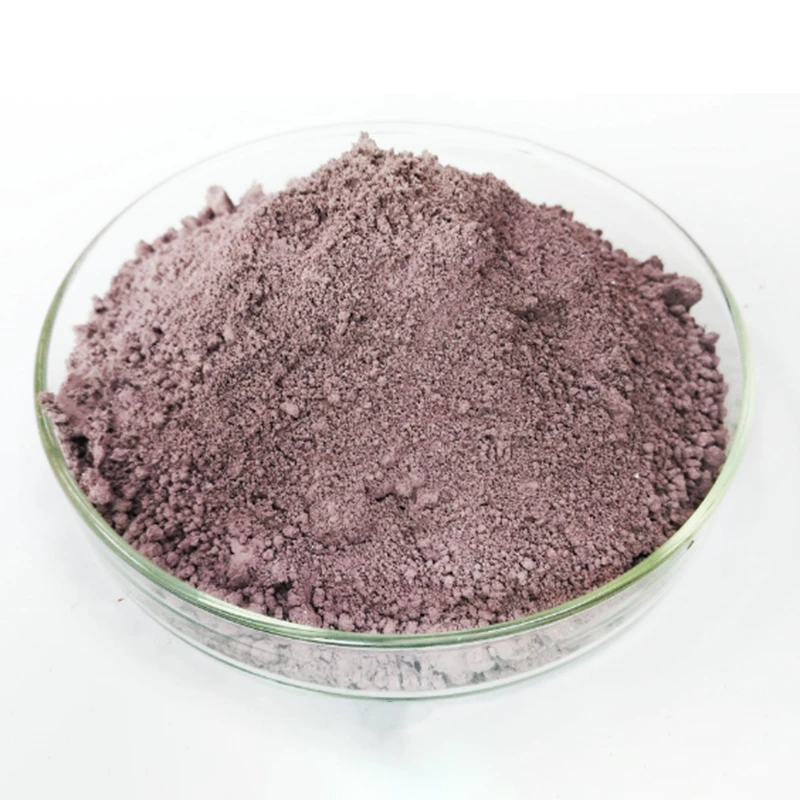
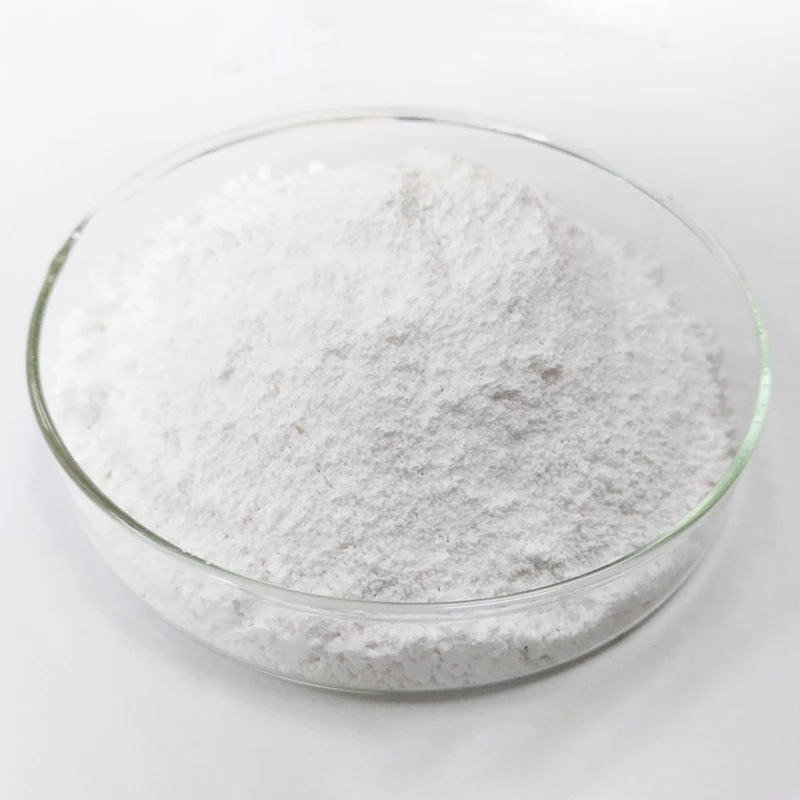
Different substrates are suited to completely different flame retardant systems. Polyolefins (PP/PE) commonly use intumescent flame retardant systems, which form a dense foamed carbon layer upon heating to isolate oxygen and heat; Hongtai Ji's halogen-free flame retardants for polyolefins are specifically designed for such substrates. In nylon (PA) systems, melamine cyanurate (MCA) is a mature halogen-free solution; Hongtai Ji's MCA can achieve UL94 V-0 in nylon 6/66 by adding an appropriate amount. For glass fiber reinforced systems, melamine polyphosphate (MPP), which forms a dense intumescent char layer through the phosphorus-nitrogen synergistic effect, is a better choice. Styrenic materials such as ABS/PC have traditionally used brominated flame retardants, but as environmental regulations become stricter, halogen-free alternatives are being advanced at an accelerated pace; Hongtai Ji's microencapsulated red phosphorus and red phosphorus masterbatch show promising prospects in this field.
In addition to flame retardancy efficiency, it is also necessary to evaluateflame retardantcompatibility with the matrix — poor compatibility can lead to reduced mechanical properties or even “blooming” problems; Hongtai Ji's microencapsulated red phosphorus effectively improves compatibility and stability through encapsulation technology. At the same time, it is necessary to ensure that the flame retardant does not decompose prematurely at processing temperatures, and to evaluate its impact on key indicators such as material color, electrical insulation, and light transmittance. In summary, flame retardant selection is a rigorous process that begins with defining requirements, goes through performance trade-offs, and ultimately passes verification; only by finding a precise balance among safety, performance, and cost can the optimal solution be achieved. Hongtai Ji has been deeply engaged in environmentally friendly flame retardants for over twenty years, providing a halogen-free flame retardant product system covering polyolefins, nylon, rubber, coatings, and many other fields, offering professional support for customers' flame retardant selection.