
Engineering plastics, with excellent mechanical strength, heat resistance, and electrical insulation properties, are widely used in core fields such as electronics and electrical appliances, automotive parts, and new energy structural components. Halogen-free flame retardancy has become a basic safety threshold for such products to enter the market. Among numerous halogen-free flame-retardant systems, red phosphorus has always occupied an important position due to its theoretical phosphorus content close to 100% and leading flame-retardant efficiency per unit addition. However, ordinary red phosphorus has natural defects such as easy moisture absorption and oxidation releasing phosphine, high risk of spontaneous combustion at processing temperatures, and poor compatibility with resins that makes it prone to red phosphorus separation and precipitation. These have long restricted its large-scale application in high-end engineering plastics. The maturity and popularization of microcapsule coating technology have completely broken through this application bottleneck, making red phosphorus flame retardants an efficient mainstream solution for halogen-free modification of engineering plastics.
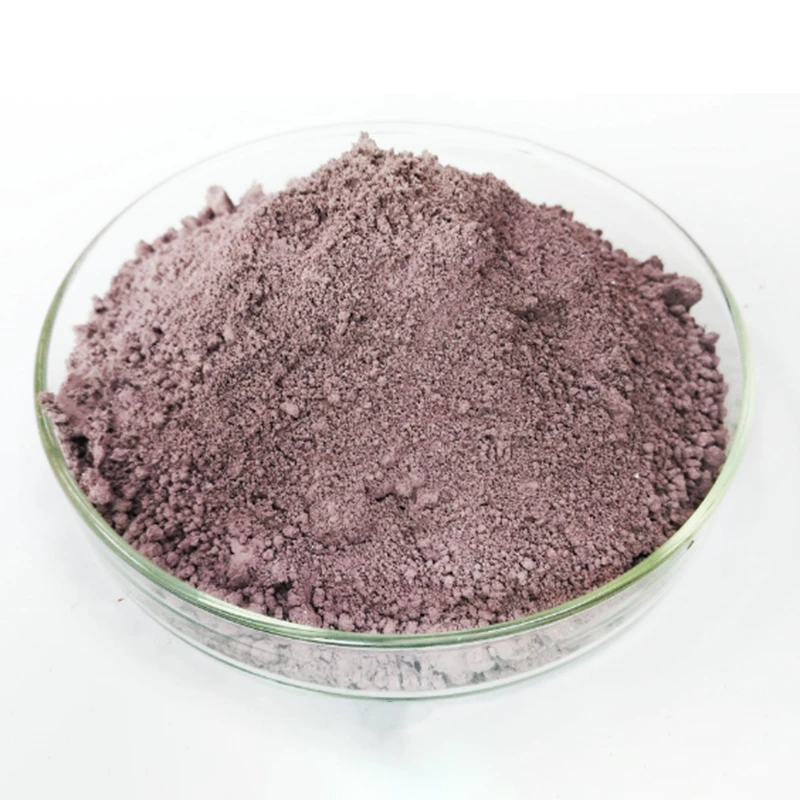
Coated Red PhosphorusBy constructing a continuous and dense polymer or inorganic composite protective film on the surface of red phosphorus particles, it fundamentally solves the three major shortcomings of ordinary red phosphorus. In terms of safety performance, the coating layer isolates water vapor and oxygen contact, greatly reduces the moisture absorption and oxidation rate, and phosphine release can be reduced to an extremely low level. At the same time, it raises the ignition point from about 240°C to above 300°C, perfectly adapting to the high-temperature extrusion and injection molding processing conditions of engineering plastics and eliminating safety hazards in production and use. In terms of application performance, the coating layer optimizes the interfacial bonding force between the powder and polymer matrix. During processing, the powder disperses uniformly without agglomeration, completely avoiding appearance defects such as red phosphorus precipitation, blooming, and migration exudation on the product surface, while also improving the material's comparative tracking index (CTI) to meet safety standards for high-voltage electronic insulating components. Its flame retardancy still centers on the condensed-phase mechanism. When heated, it gradually generates polyphosphoric acid substances, catalyzing rapid dehydration and carbonization of the polymer to form a dense carbonaceous protective layer that insulates heat and oxygen. A low addition amount can achieve a high flame-retardant rating with little impact on the material's mechanical properties.
In mass production applications of engineering plastics,Coated Red PhosphorusIt is compatible with multiple substrate systems and covers a comprehensive range of scenarios. Nylon PA6 and PA66 are its largest application areas; in pure resin systems, adding 7%–13% can stably achieve UL94 V-0 rating; for the “candlewick effect” of glass fiber-reinforced nylon, compounding with synergists such as zinc borate and magnesium hydroxide can achieve stable flame retardancy while retaining the material's impact strength and tensile properties. In PBT and PET polyester systems, coated red phosphorus has excellent compatibility with the substrate and is suitable for modification of virgin and recycled materials; a small addition can greatly increase the limiting oxygen index, making it suitable for scenarios such as photovoltaic connectors and home appliance parts. In PC/ABS alloy systems, coated red phosphorus and titanium dioxide form a ternary synergistic system, achieving V-0 flame retardancy while maintaining the alloy's high impact toughness, balancing structural performance and appearance quality. In addition, coated red phosphorus is also compatible with thermosetting resins such as epoxy and phenolic, covering multiple application scenarios such as electronic packaging and electrical insulation.
Dongguan HongtaijiThe multi-layer coated red phosphorus products have uniform particle size and excellent thermal stability, are suitable for various engineering plastic systems, and the entire series complies with RoHS and REACH environmental standards. As the global halogen-free environmental trend continues to deepen and industrial safety standards continue to upgrade, coated red phosphorus, with its comprehensive advantages of efficient flame retardancy, stable mass production, and broad adaptability, will replace traditional flame-retardant systems in more high-end engineering plastics fields and become one of the core choices for halogen-free flame-retardant modification.