
Under the background of comprehensive implementation of halogen-free environmental regulations and continuous upgrading of industrial safety standards, flame retardants have become essential functional materials in fields such as engineering plastics, electronics and electrical appliances, new energy vehicles, and wires and cables. At present, there are many flame retardant manufacturers and trading distributors in the market, with huge differences in product quality, technical indicators, and delivery capabilities. Many enterprises only focus on unit price when selecting, ultimately resulting in problems such as failure to meet flame retardant ratings, exudation and whitening of products, decreased mechanical properties, and lack of environmental certification, which instead increases overall production costs. Therefore, establishing scientific selection logic and screening reliable flame retardant partner manufacturers is the core prerequisite for ensuring product safety and production stability.
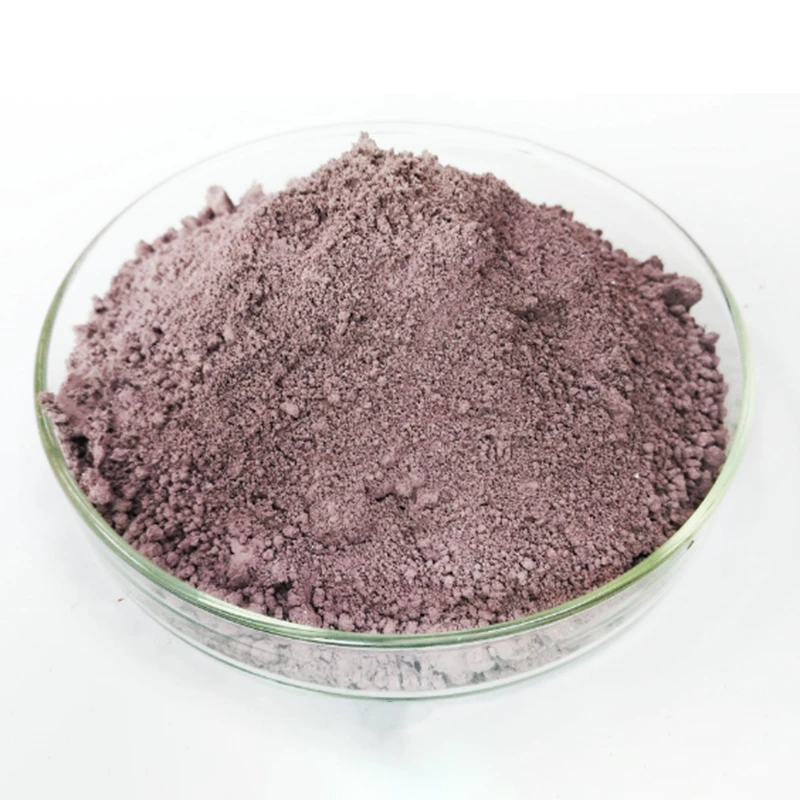
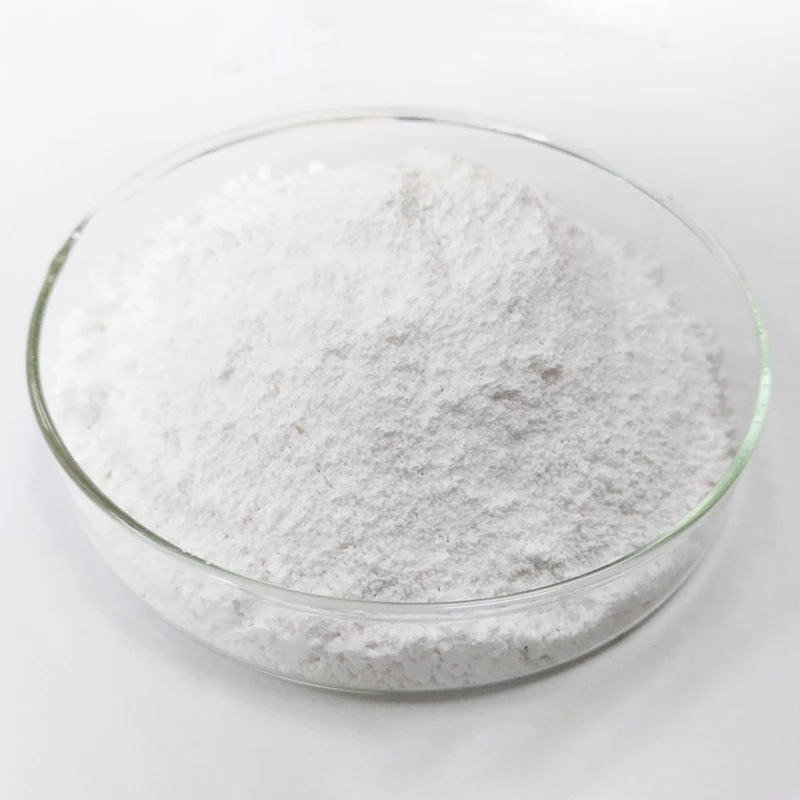
ScreeningFlame Retardant ManufacturersThe primary criterion for screening flame retardant manufacturers is product strength and quality control capability. The actual application effect of flame retardants is by no means determined solely by the name of the ingredient; detailed parameters such as powder fineness, purity, crystal form, coating process, and thermal stability all directly affect the final flame retardant performance and product properties. For the same MCA flame retardant, ordinary micron-sized products are prone to agglomeration and exudation, while nano-sized products disperse uniformly and can achieve high flame retardant ratings with low addition; for the same red phosphorus flame retardant, multi-layer microcapsule coating technology can increase the ignition point to above 300°C, greatly reducing processing safety risks. When selecting, one should not only compare prices, but focus on checking core indicators such as particle size distribution, 5% thermal weight loss temperature, and free monomer content, confirm that the product has complete RoHS, REACH, and other environmental compliance test reports, and give priority to source manufacturers with independent quality control laboratories and strong batch stability, so as to avoid mass production risks from the source.
In addition to the product itself, production capacity and delivery capability and technical service level are equally critical. A large number of merchants in the market are trade repackaging types, without independent synthesis production lines; their product batches fluctuate greatly, delivery times are uncontrollable, and they cannot provide customized adjustments. True source manufacturers have complete production lines covering the entire process of synthesis, modification, and testing, with stable production capacity and high product consistency, and can meet the stable supply needs of large-scale mass production. At the same time, flame retardant applications are highly targeted; different substrates, different processing techniques, and different product thicknesses require completely different flame retardant systems and addition amounts, and there is no universal all-purpose solution. Reliable manufacturers can provide free samples and formula debugging services, give suitable solutions based on customers' actual scenarios, and help customers balance flame retardant effect, mechanical properties, and production costs. Dongguan Hongtaiji Flame Retardant Materials has its own production base and a full range of halogen-free flame retardant product lines, supports sample and technical adaptation services, and all products comply with international environmental standards, covering application needs in multiple fields.
Overall, choosing a flame retardant manufacturer should not only focus on unit price cost, but should be comprehensively evaluated from the three core dimensions of product quality, stable production capacity, and technical service. Prioritizing source manufacturers with independent R&D and production capabilities can not only ensure stable and compliant product performance, but also reduce trial-and-error costs through professional technical support, achieving long-term stable win-win cooperation.