
I. Core Industry Pain Points in Flame-Retardant Modification of PP Polypropylene
Polypropylene (PP) is one of the most produced and most widely used general-purpose plastics today. With advantages such as light weight, weather resistance, chemical corrosion resistance, and excellent processing fluidity, it is widely used in fields such as home appliance parts, modified automotive parts, packaging materials, and daily-use products. ButPP is an industry-recognized difficult material for flame retardancy, greatly limiting its application in high-end fire protection scenarios.
From the perspective of molecular structure, the PP main chain is composed only of carbon-carbon bonds and carbon-hydrogen bonds, and its limiting oxygen index is only 17%~18%, making it an extremely flammable material. When exposed to an open flame, it burns rapidly and continuously, accompanied by severe high-temperature dripping; the dripping high-temperature melt can easily ignite auxiliary media, causing secondary fire hazards.
Unlike polymer materials such as nylon and polyester that can self-char,PP can hardly self-char during combustion, nor can it rely on the substrate itself to form a heat-insulating and oxygen-barrier protective layer. Therefore, the core difficulty in flame-retardant modification of PP is not simply improving the flame-retardant rating, but solving three key problems: efficient and stable char formation, completely suppressing dripping, and achieving a balance between flame-retardant performance and the mechanical properties of the material.
II. Mainstream Flame-Retardant Technology for PP: Mechanism of the IFR Intumescent Flame-Retardant System
Currently, the mainstream technical route that is compatible with PP substrates, mass-producible, halogen-free, and environmentally friendly isthe IFR intumescent flame-retardant system, the system is synergistically composed of three core components: acid source, carbon source, and gas source, and is also the current core solution for halogen-free flame retardancy of PP.
Its complete flame-retardant mechanism is clear and efficient: after the material is heated and its temperature rises, the acid source in the system decomposes first to generate inorganic acid, catalyzing the carbon source to rapidly dehydrate, crosslink, and form char; simultaneously, the gas source decomposes upon heating to release nonflammable inert gases such as nitrogen, driving the char layer to expand and foam, ultimately forming on the material surfacea dense, porous, heat-insulating char layer. This char layer can simultaneously provide multiple protections such as thermal insulation, oxygen isolation, smoke suppression, and anti-dripping, blocking the combustion chain reaction at the root and solving the fatal shortcomings of PP substrates, namely inability to char and easy dripping.
III. Shortcomings of traditional IFR systems and synergistic modification technology upgrades
Traditional single IFR systems have obvious application limitations. To achieve the UL94 V-0 flame retardant rating, the flame retardant loading must reach more than 25%. Ultra-high filling amounts greatly damage the toughness, tensile strength, and processing flowability of PP substrates, causing product embrittlement, processing difficulties, and reduced yield, and cannot meet the needs of high-end modified products.
The industry has now fully adoptedsynergistic efficiency-enhancing modification technology, by introducing functional synergists, greatly reducing IFR loading, and achieving low-loading, high-performance flame retardancy.
1、POSS polysilsesquioxane synergistic system: It can directly reduce the basic IFR dosage by 4%~5%. POSS thermally decomposes to generate SiO₂, automatically migrates to the surface of the char layer, encapsulates char residue and glass fiber structures, effectively inhibits the “candlewick effect” of glass fibers, and enhances the compactness and stability of the char layer.
2、Porous nickel phosphate synergistic system: The synergistic effect is significant. When no synergist is added, PP requires 25% IFR to reach V0; after combining with porous nickel phosphate synergistically,only a low loading of 16% can stably achieve UL94 V-0 rating, maximally preserving the original mechanical properties of PP.
TargetingGlass fiber reinforced PP system, which can precisely control the glass fiber content within the range of 20%~30%, allowing the glass fibers and intumescent char layer to form a three-dimensional crosslinked network, effectively improving the structural strength of the char layer, and completely solving the industry problem that flame-retardant reinforced PP is prone to failure and severe dripping.
IV. Hongtaiji PP-specific intumescent flame retardant product solutions
Dongguan CityHongtaiFlame Retardant Materials Co., Ltd. has been deeply engaged in the environmentally friendly halogen-free flame retardant field for more than 20 years. For different systems such as pure PP resin, modified PP, and glass fiber reinforced PP, it develops and customizes exclusive IFR intumescent flame retardant solutions to meet industrial mass production needs.
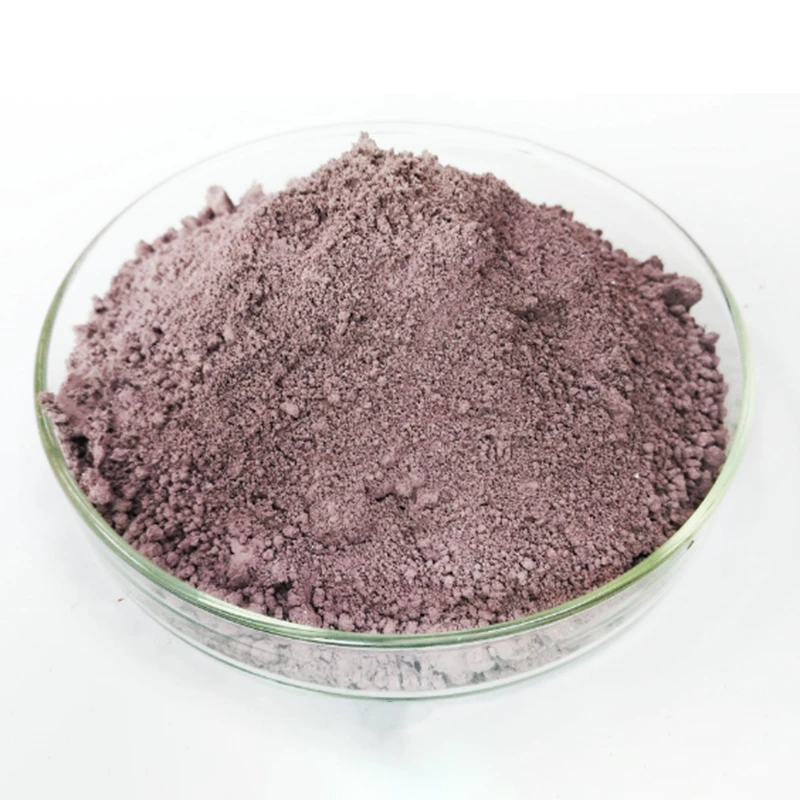
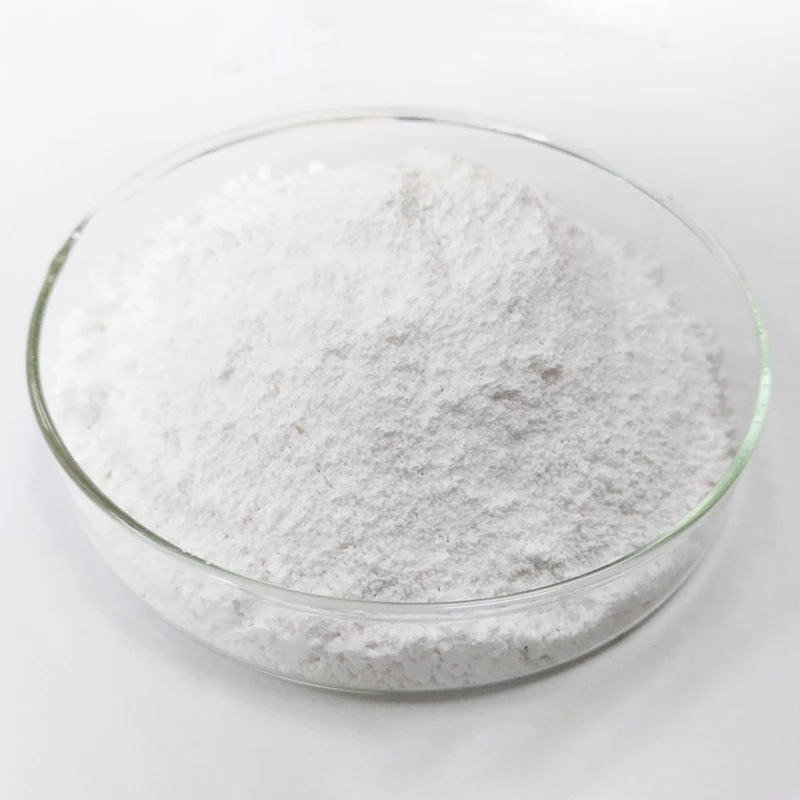
The company's PP-specific intumescent flame retardant is a high-purity white crystalline powder with industry-leading core parameters: phosphorus content 19%, nitrogen content 13%, thermal decomposition temperature >270°C, perfectly matching PP high-temperature processing technology, and it does not decompose, foam, or yellow during processing. The powder particle size is uniform and controllable (5 μm), with excellent dispersibility and resistance to agglomeration, suitable for various extrusion and injection molding processes.
The product can be used with OZrP synergistic components, and during combustion can actively induce the PP substrate to forma highly dense graphitized char layer, greatly improving the fire resistance limit and anti-dripping ability, with flame retardant stability far exceeding traditional ordinary IFR products. At the same time, the company's halogen-free flame retardant series for polyolefins can fully adapt to PP substrate modification. The entire product series strictly complies with the RoHS Directive and REACH environmental regulations, is safe and compliant, and can meet domestic and international export safety standards.
V. Development trends of PP flame retardant technology: low addition, high performance, and multifunctionality
As downstream industries continue to upgrade their requirements for the safety, mechanical properties, and weather resistance of plastic products, PP flame retardant technology has completely bid farewell to the traditional model of “high filling in exchange for flame retardancy” and is moving towardlow addition amount, high mechanical property retention, and multifunctional compositedirection iteration.
New carbon dot-based nanohybrid flame retardant systems can achieve UL94 V-0 flame retardant rating at a low addition amount of 22%, while increasing the elongation at break of PP by 51.9%, and can also impart additional UV aging resistance to the material, balancing safety and durability. The phosphorus/nitrogen-modified nano-calcium carbonate composite system, through a gas-condensed phase synergistic char-forming mechanism, effectively improves the tensile ductility of PP while reducing the amount of flame retardant, solving the pain point of flame retardancy conflicting with mechanical properties.
VI. Conclusion
The core difficulties in flame-retardant modification of PP are that the substrate does not char, dripping is severe, and high filling damages performance. The IFR intumescent flame-retardant system is currently the most mature and most adaptable halogen-free flame-retardant solution, and a compounded system combined with high-efficiency synergists can greatly reduce the flame retardant loading and balance flame-retardant effect and mechanical properties of the material. The future core competitiveness of PP flame retardancy lies in refinedintumescent flame-retardant system + dedicated synergistcombination formulations, which are also the key path to achieving low-loading, highly stable UL94 V-0 flame retardancy for PP materials.