
In the development trends of halogen-free flame retardants, nano-scale processing is an important direction, but not the only path. It is advancing in parallel with traditional high-efficiency, synergistic, and environmentally friendly approaches, jointly driving innovation in the industry. Why has “nano-scale processing” attracted so much attention?
The core advantages of making flame retardants at the nano scale lie in “high efficiency at low loading” and “multifunctional integration.” Performance leap: Nanoparticles have an extremely large specific surface area and unique nano-effects. This means that only a very small amount of addition is needed to achieve uniform dispersion within the material, significantly enhancing flame-retardant efficiency. For example, one study shows that by using in-situ polymerization technology to achieve uniform dispersion of nano-stannate, flame-retardant efficiency can be improved by 45%. Multifunctionality: Some nanomaterials (such as nano-clay, carbon nanotubes, graphene, etc.) not only provide flame retardancy but also simultaneously enhance the mechanical properties and thermal stability of the material, achieving multiple functions in one material. “Nano-scale processing” represents a performance leap over traditional flame retardants, aiming to achieve better and more diverse overall performance with lower addition levels.
Multi-path development of halogen-free flame retardants:
Efficient synergistic systems: This is currently the main driver of industrialization. Through phosphorus-nitrogen synergism and the combination of metal hydroxides (such as aluminum hydroxide and magnesium hydroxide) with melamine-based flame retardants (such as MCA and MPP), a “1+1>2” flame-retardant effect is achieved. These solutions have mature technology and controllable costs, making them the current mainstream in the market.
New nanomaterials: In addition to nano-scale processing of traditional flame retardants, researchers are also actively exploring new nano-flame retardants such as metal-organic frameworks (MOFs) and two-dimensional nanomaterials, providing more possibilities for the future.
Bio-based and smart materials: In the long term, utilizing renewable resources such as chitosan, as well as intelligent designs that can automatically enhance barrier effects in response to temperature changes, are also key directions for achieving sustainable development.
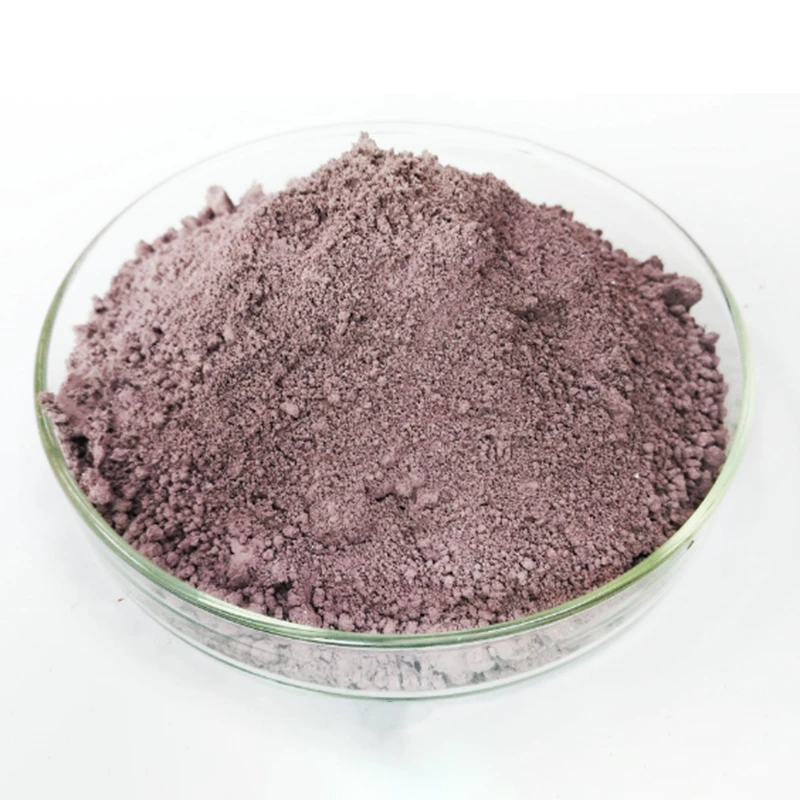
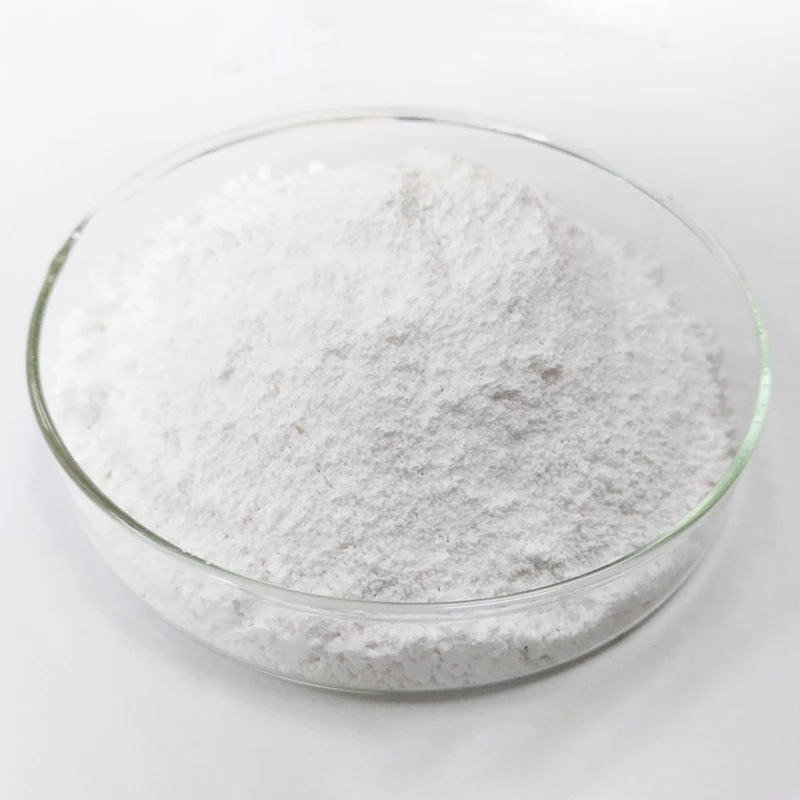
Dongguan Hongtaiji Flame Retardant Materials Co., Ltd. is an active practitioner of this trend. Its core product, nano-scale melamine cyanurate (MCA), is precisely an upgrade of traditional MCA.
Technical indicators: Through a special process, its particle size is precisely controlled to 400–500 nanometers or 0.4–0.5 micrometers, far smaller than traditional micron-scale MCA (2–10 μm).
Performance improvement: The ultra-fine particle size delivers excellent dispersibility, effectively solving the agglomeration problem of traditional MCA. When added to nylon 6/66 at only 8–12%, it achieves the UL94 V-0 flame-retardant rating, and its catalytic char-forming efficiency is improved by 40%.
Wide application: This product has been successfully applied in high-end fields such as lithium battery separator coatings, high-end nylon spinning, and special composite materials.
In practical applications, highly efficient synergistic compound systems remain the mainstream. However, Hongtaiji's nano-scale MCA is a model of transforming the cutting-edge trend of “nano-scale processing” into a mature product, demonstrating how technological innovation can bring better solutions to the market.