
On October 9, 2025, the Member State Committee of the European Chemicals Agency (ECHA) unanimously agreed to identify decabromodiphenylethane (DBDPE) as a Substance of Very High Concern (SVHC), and it was officially added to the SVHC Candidate List in November of the same year. DBDPE is the main substitute used after decabromodiphenyl ether (DecaBDE) was banned, and it is now also facing phase-out. The bromine-antimony flame retardant system is rapidly exiting the market, making the search for reliable halogen-free alternatives an urgent priority for enterprises.
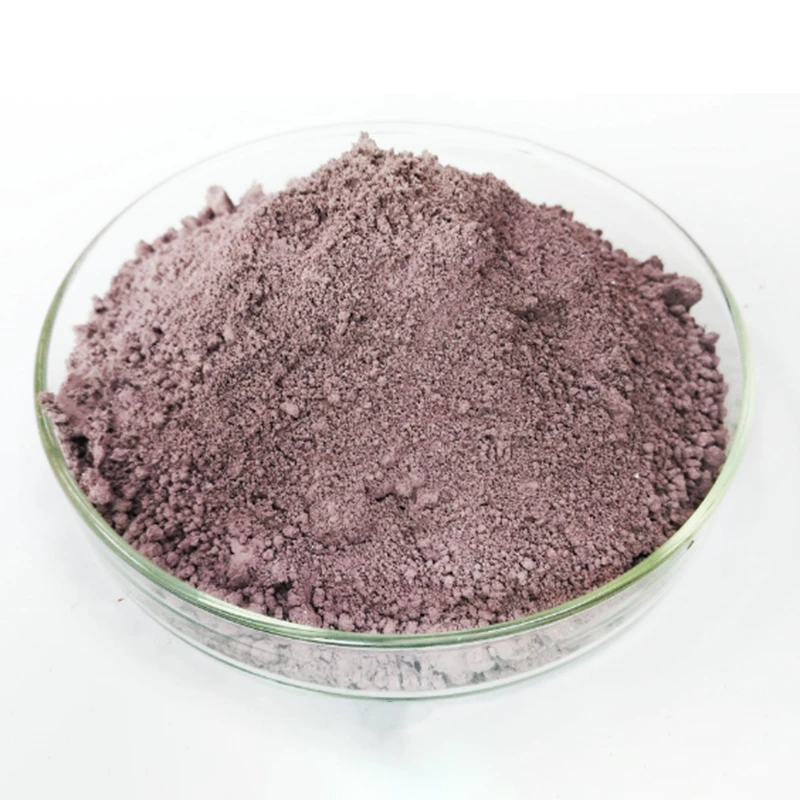
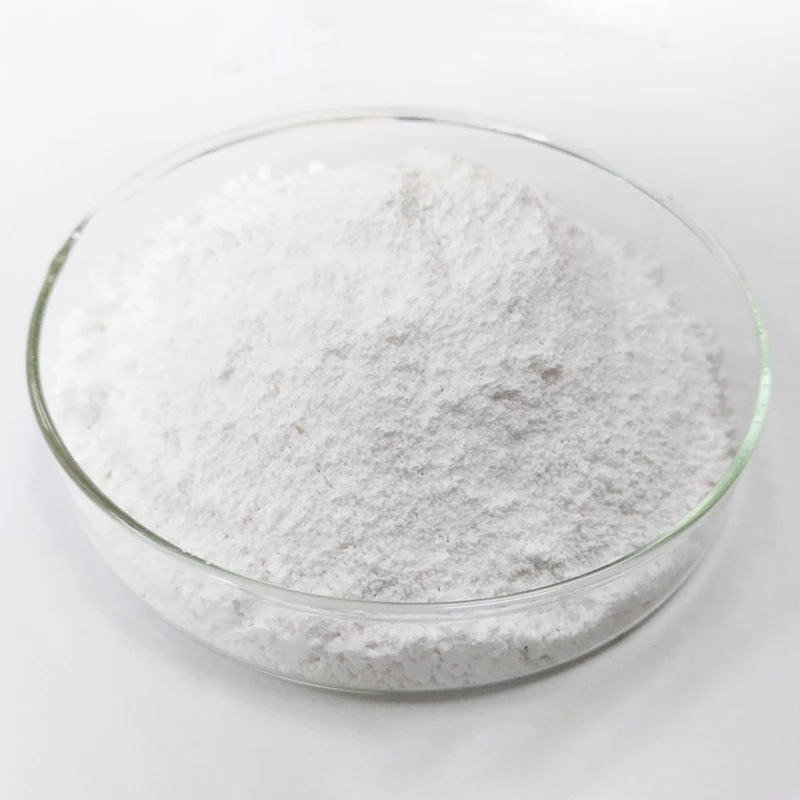
Dongguan Hongtaiji Flame Retardant Materials Co., Ltd. has been dedicated to environmentally friendlyflame retardantR&D for over twenty years, offering multiple halogen-free products to replace traditional bromine-antimony flame retardants. Its antimony trioxide substitute (FR-0520) can achieve 100% substitution and is suitable for a variety of plastic systems. Melamine cyanurate (MCA) is a mature halogen-free solution for nylon 6/66; with an appropriate addition level, it can achieve UL94 V-0 rating without producing corrosive gases. Melamine polyphosphate (MPP) forms a dense intumescent char layer through the phosphorus-nitrogen synergistic effect, and is suitable for high-temperature engineering plastics such as glass fiber reinforced nylon and polyester. Microencapsulated red phosphorus and red phosphorus masterbatch offer extremely high flame retardant efficiency, with significantly improved stability after coating treatment.
For different substrates, Hongtaiji can also provide compounded solutions: ammonium polyphosphate (APP) is widely used in polyolefins and fire-retardant coatings; phosphorus-nitrogen based specialty flame retardants can be used in adhesives, coatings, and inks. All these products comply with RoHS and REACH regulatory standards.
The inclusion of DBDPE in the SVHC Candidate List means that products exported to the EU must fulfill notification obligations. Enterprises should promptly initiate substitution verification for bromine-antimony flame retardants and choose market-validated halogen-free solutions to address increasingly stringent environmental requirements.