
Engineering plastics flame retardant selection is a systematic project that requires comprehensive consideration of the plastic substrate type, processing temperature, flame retardancy grade requirements, and final product performance.
First, based on the plastic's melting point and processing temperature, select a flame retardant with matching thermal stability,flame retardantto ensure it does not decompose prematurely during processing. For example, nylon (PA66) has a higher processing temperature, so varieties with a decomposition temperature >300°C must be selected. Secondly, determine the flame retardancy grade based on the product's end use: electronic and electrical components typically require UL94 V-0 grade, with strict restrictions on electrical performance; automotive interior parts must also meet low smoke and low toxicity requirements.
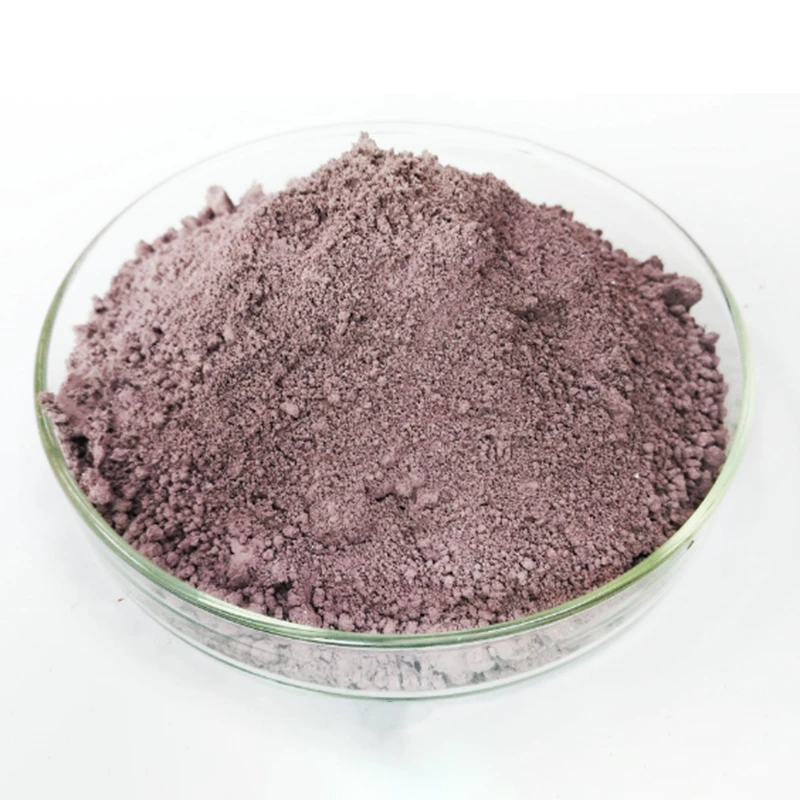
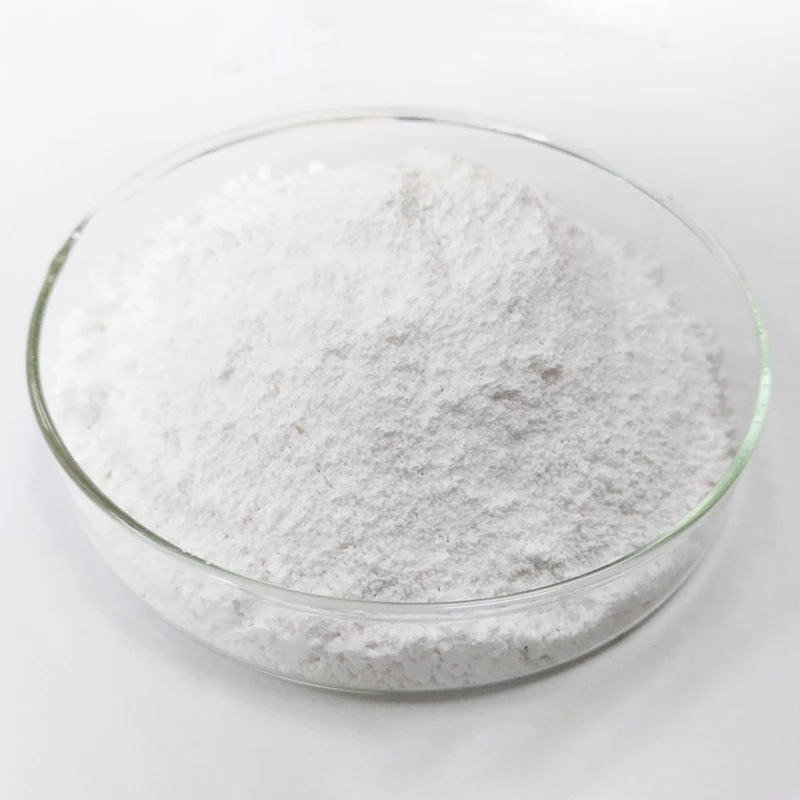
For polyolefins (PP/PE), magnesium hydroxide, ammonium polyphosphate, MPP, and coated red phosphorus are commonly used; phosphorus-nitrogen intumescent flame retardants can achieve halogen-free V-0 grade. In nylon (PA6/PA66) systems, MCA is a mature halogen-free flame retardant solution, and combined with coated red phosphorus it can achieve efficient flame retardancy; glass fiber reinforced systems require attention to solving the “candlewick effect” of glass fiber, and it is recommended to use MPP compounded with aluminum diethylphosphinate. For polyesters (PBT/PET), MPP, coated red phosphorus, and phosphate ester flame retardants are suitable. PC/ABS alloys commonly use a phosphate ester and silicone flame retardant compound system, which achieves halogen-free status while balancing heat resistance and impact performance.
Flame retardant selection must follow the principles of high efficiency, compatibility, stability, and environmental friendliness: good compatibility with the matrix avoids surface blooming, decomposition temperature must be higher than the processing temperature, and halogen-free products compliant with RoHS and REACH should be prioritized. The application of synergistic compounding effects is crucial; for example, phosphorus/nitrogen and phosphorus/antimony combinations can improve flame retardant efficiency, but attention should be paid to potential antagonistic effects in combinations such as halogen with silicone, and red phosphorus with silicone. Dongguan Hongtaiji provides MCA, MPP, coated red phosphorus, intumescent flame retardants, and various other products, covering engineering plastic systems such as nylon, polyester, and polyolefins, and also offers professional compounding technical support to help customers achieve efficient and environmentally friendly flame retardant solutions.