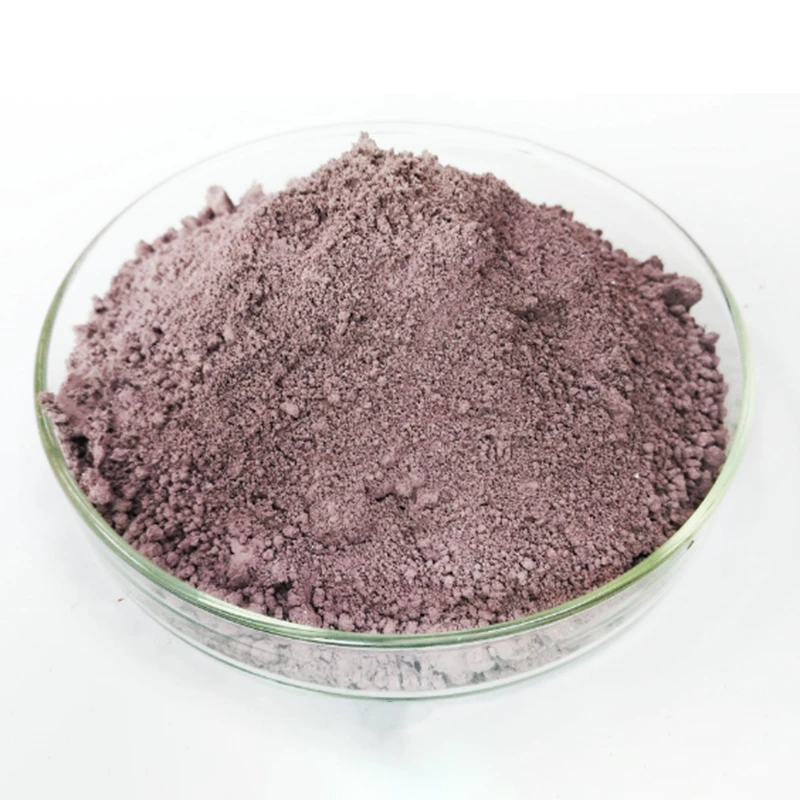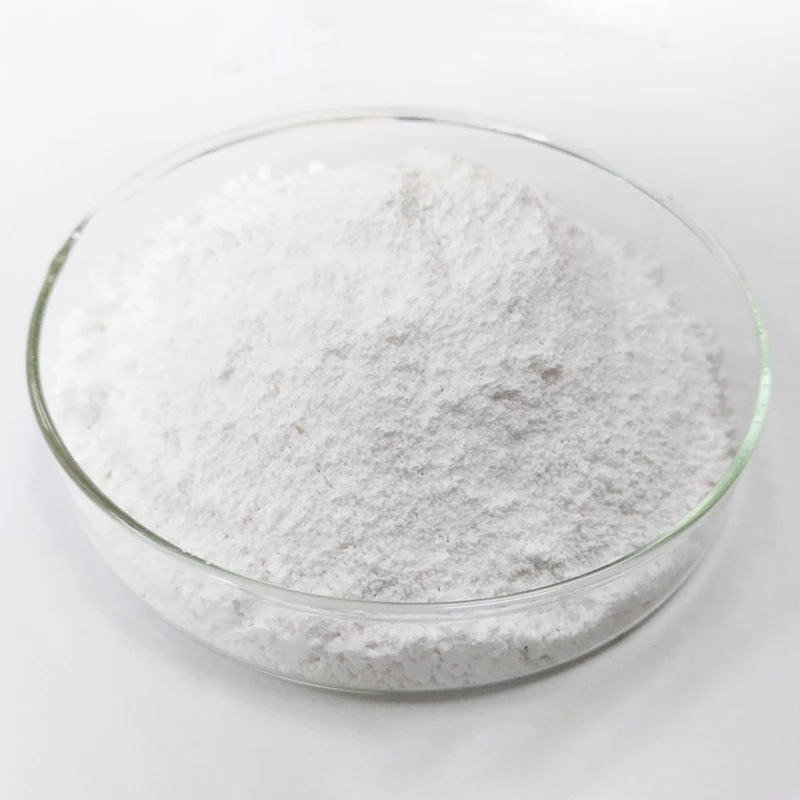

Red phosphorus is a highly efficient halogen-free flame retardant with extremely high flame-retardant efficiency, but non-encapsulated red phosphorus has obvious defects that severely limit its application scope. Encapsulation treatment (also known as microencapsulation) is precisely the key technology developed to solve these defects.
The most core difference lies in safety. Non-encapsulatedred phosphorusis prone to moisture absorption and oxidation in air, generating acidic substances such as phosphoric acid, which not only corrode processing equipment but may also corrode metal components in products. More seriously, it easily releases highly toxic phosphine (PH₃) gas. The encapsulation layer can effectively inhibit the release of phosphine. Data shows that double-layer encapsulation technology can control phosphine release below 2ppm, and the ignition point is also significantly raised from 240°C to above 300°C.
Stability and compatibility are also completely different. After encapsulation, the moisture absorption of red phosphorus is greatly reduced. Research confirms that after double-layer encapsulation, the 24-hour moisture absorption weight gain rate can be as low as 0.28%. The encapsulation layer can also improve the compatibility between red phosphorus and resins, enabling more uniform dispersion, avoiding local aggregation, and ensuring that the flame retardant does not bloom. In terms of processing performance, encapsulated red phosphorus is easier to process and can reduce dust pollution.
In summary, non-encapsulated red phosphorus has pain points such as poor safety, susceptibility to moisture absorption, and poor compatibility; while encapsulation treatment can effectively overcome these defects, making it a truly efficient, stable, and safe environmentally friendly halogen-free flame retardant.