
As requirements for flame-retardant materials in high-end fields such as precision electronic connectors, automotive high-voltage wiring harnesses, and lithium battery separator coatings continue to rise, conventional micron-scale MCA can no longer meet mass-production needs for low loading, high dispersion, and low exudation. Nano-scale MCA, with better flame-retardant efficiency and mechanical property retention, continues to see expanding market demand. Compared with conventional MCA products, nano-scale products have considerably higher technical thresholds in synthetic crystal form control, ultrafine grinding and classification, and anti-agglomeration surface treatment. Domestic manufacturers with stable mass-production capability are mainly concentrated in Shandong industrial clusters and South China production areas in Guangdong, and different manufacturers have different focuses in technical routes and product positioning.
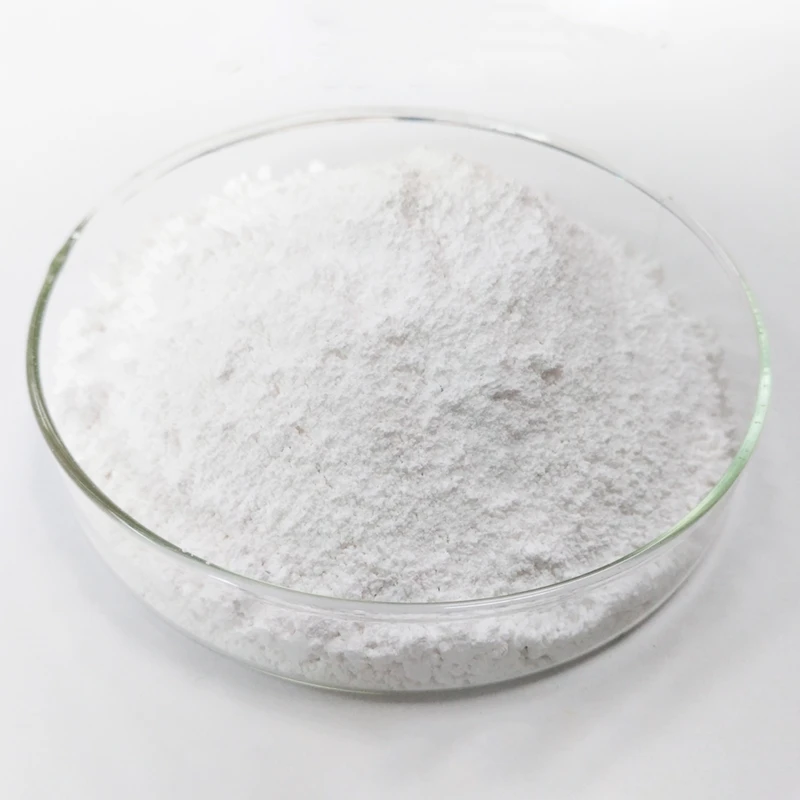
Dongguan Hongtaiji Flame Retardant Materials Co., Ltd. can mass-produce nano-scale MCA in the 400–500 nm range, with uniform particle size distribution and excellent thermal stability. It mainly targets the high-end new energy and electronic materials markets, and its products cover multiple regions at home and abroad. It is suitable for modification companies’ rapid sample testing and mass-production needs. In addition, leading companies such as Shandong Tian’an Chemical have also established ultrafine modified MCA product lines, which can meet market demands at different levels.
When selecting nano-scale MCA manufacturers, do not only look at the nominal particle size value. Focus on three core indicators: particle size distribution stability, anti-secondary agglomeration treatment process, and batch consistency. Prioritize requesting laser particle size test reports and SEM images to confirm the product’s actual dispersion effect. At the same time, combine these with your own substrate type, product thickness, and processing technology, and verify flame-retardant efficiency and mechanical retention through small-scale tests. As safety requirements in downstream high-end manufacturing continue to escalate, nano MCA manufacturers with independent R&D and surface modification capabilities will occupy a more core market position in industrial upgrading.