
The selection of flame retardants for coatings requires comprehensive consideration of multiple factors such as binder type, flame retardancy rating, processing technology, and environmental compliance. Incorrect selection not only leads to flame retardancy failure but may also damage the mechanical properties of the coating film or cause compliance risks.
Before selection, three core elements must be clarified:
First, the flame retardancy rating: what standards must the product meet (e.g., UL94 V-0), since coating thickness directly affects the difficulty of flame retardancy.
Second, the binder and curing conditions: different resin systems (epoxy, acrylic, polyurethane) are compatible with different flame retardants.
Third, the environmental red line—where will the product be sold? Which regulations such as RoHS and REACH must it comply with? This is an insurmountable bottom line.
In specific selection, key evaluations should focus on the thermal stability of the flame retardant—it must withstand curing temperatures without decomposing; compatibility and dispersibility—poor dispersibility leads to performance degradation and cloudy coating films; and the impact of addition level on the mechanical properties of the coating film—high loading may impair mechanical performance, with a typical addition amount of 10–25%. Different types of coatings suit different systems: polyester, epoxy resin, and acrylic fire-retardant paints or coatings are suitable for phosphorus-nitrogen halogen-free flame retardants; intumescent fire-retardant coatings use ammonium polyphosphate (APP) and similar as core components.
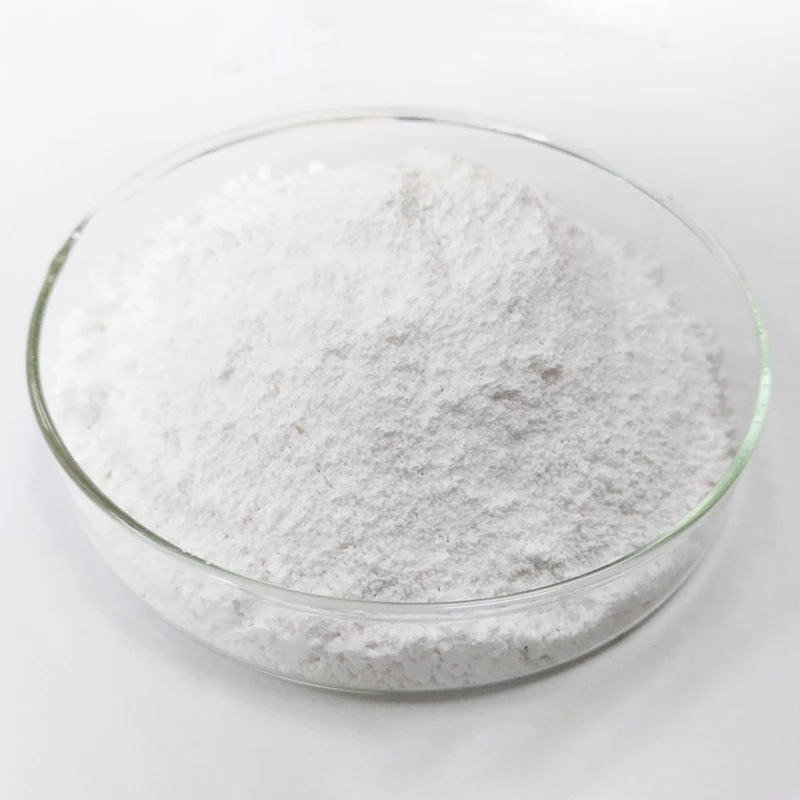
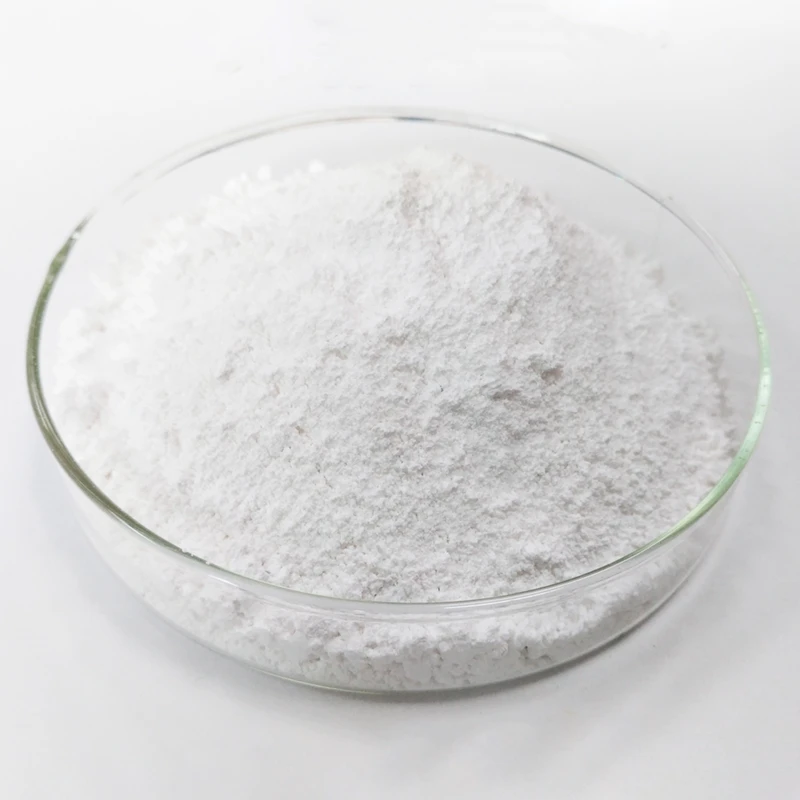
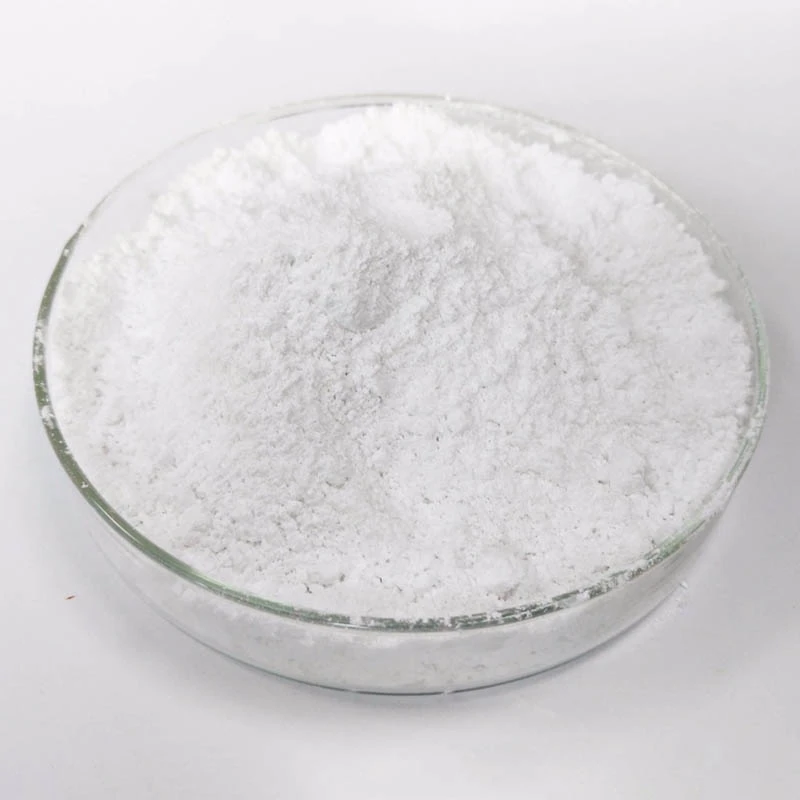
Dongguan Hongtaiji Flame Retardant Materials Co., Ltd. has launched a comprehensive flame retardant product system for the coating industry. Its independently developed phosphorus-nitrogen halogen-free environmentally friendly flame retardant for inks and coatings appears as a white powder, with particle size D50≤5μm, whiteness >95, and active content ≥99.5%. It features small particle size, easy dispersion, and high flame retardancy efficiency. This product is mainly used in polyester, epoxy resin, and acrylic fire-retardant paints or coatings. During use, the flame retardant can first be ground with a solvent in a sand mill for 3–4 passes, then adhesive and other components are added and dispersed. The product complies with RoHS directives and REACH regulations.