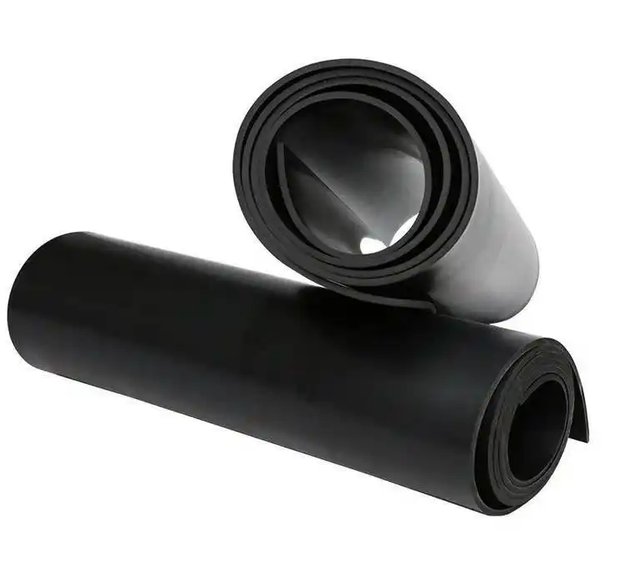
Heat-shrink tubing is a polymer tube that acquires a “shape memory” function through irradiation crosslinking; when heated, it can tightly wrap cable joints or electronic components. Because it is widely used in fields with high safety requirements such as electric power, communications, and automobiles, the flame retardancy of its material is crucial. At present, the flame retardants that can be used for heat-shrink tubing are mainly divided into the following categories.
Halogenated flame retardants were once the mainstream choice, represented by the combination of decabromodiphenyl ethane and antimony trioxide. They have high flame retardant efficiency, but produce large amounts of toxic smoke and corrosive gases when burned, and face increasing pressure from strict environmental regulations.
Inorganic flame retardants such as magnesium hydroxide and aluminum hydroxide are typical environmentally friendly choices. They absorb heat and cool down by decomposing upon heating to release water of crystallization, while generating oxides to block oxygen. Their advantages are low smoke and non-toxicity, but their disadvantage is that they require high loading levels (e.g., 120–160 parts), which may affect the mechanical properties of heat-shrink tubing.
Phosphorus-nitrogen-based halogen-free flame retardantsare currently the mainstream development direction. Such flame retardants include ammonium polyphosphate (APP), melamine cyanurate (MCA), melamine pyrophosphate (MPP), and microencapsulated red phosphorus, etc. Through a phosphorus-nitrogen synergistic mechanism, they form a dense carbon layer during combustion, effectively providing heat and oxygen insulation. Among them, microencapsulated red phosphorus has high efficiency, but it limits the color of the product and is usually only suitable for dark or black heat-shrink tubing.
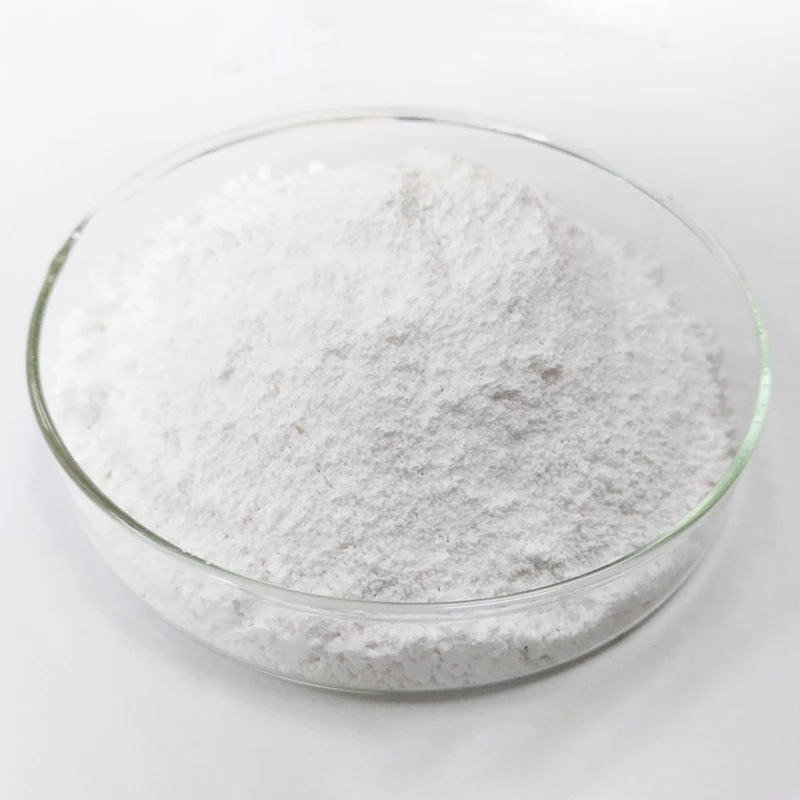
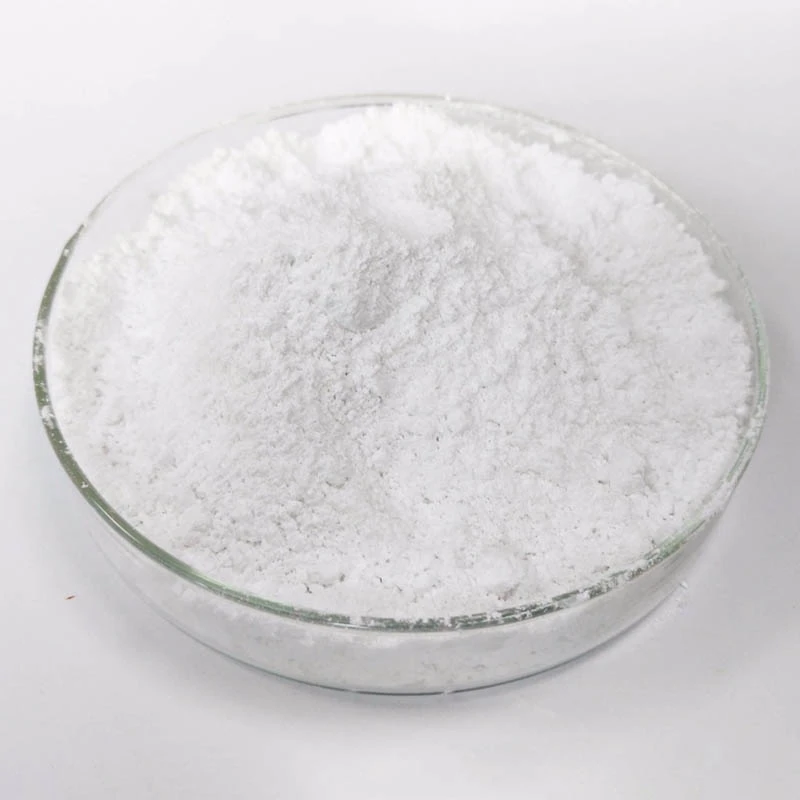
In response to market demand for light-colored and colored products, halogen-free and red phosphorus-free flame retardants have emerged. HF-122 launched by Dongguan Hongtaiji Flame Retardant Materials Co., Ltd. is exactly this type of product. It is a white powder environmentally friendly flame retardant with advantages such as smoke suppression, preventing dripping, and promoting char formation. Its active ingredient content is ≥99.5%, whiteness is ≥95%, and average particle size is ≤4.0 μm. In practical applications, using the formulation of “EVA 90 kg, HF-122 60 kg, MCA 30 kg” can easily enable colored heat-shrink tubing to pass the VW-1 flame test, and after irradiation, the tubing surface has no creases and good scratch resistance. Hongtaiji's halogen-free flame retardant series for polyolefins is also suitable for heat-shrink tubing substrates such as PE/EVA/POE, and the products comply with the ROHS Directive and REACH regulatory standards.
In summary, the selection of flame retardants for heat-shrink tubing has evolved from a single halogen-based solution to a pattern in which multiple systems coexist, such as inorganic filling, phosphorus-nitrogen synergy, and halogen-free and red phosphorus-free systems. Halogen-free and red phosphorus-free flame retardants, with their excellent environmental performance, color-friendly nature for products, and reliable flame retardant effect (VW-1 grade), are becoming the ideal choice for an increasing number of heat-shrink tubing manufacturers.