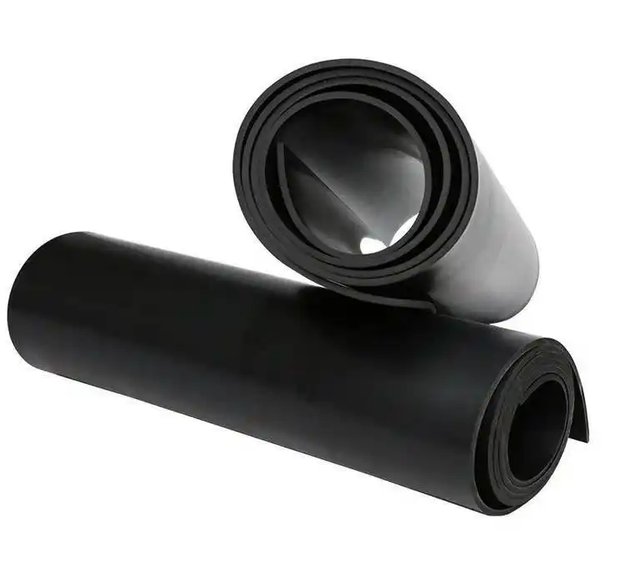
Heat shrink tubing, as a polymer tubing material that acquires a “shape memory” function through irradiation crosslinking, is widely used in fields requiring high safety such as electronics, communications, automotive, and electric power. Traditional heat shrink tubing mostly uses brominated or red phosphorus flame retardant systems, but as global environmental regulations continue to tighten, these two routes are facing increasingly severe challenges. In November 2025, the European Chemicals Agency (ECHA) officially added decabromodiphenyl ethane (DBDPE) to the Candidate List of Substances of Very High Concern (SVHC). DBDPE, once the main substitute after decabromodiphenyl ether was banned, is now also facing phase-out. At the same time, although the red phosphorus flame retardant system is highly efficient, it has inherent defects: its color limits the range of applications (only suitable for dark-colored products), and it tends to migrate during use and may corrode metal components in electronic circuit boards. Against this backdrop, halogen-free, red phosphorus-free flame retardants have become the mainstream alternative direction for the heat shrink tubing industry.
The core advantage of halogen-free, red phosphorus-free flame retardants lies in the balance between environmental friendliness and performance. These flame retardants do not contain halogens or red phosphorus, and do not produce toxic substances after combustion, making them harmless to the environment and the human body. In terms of flame retardant mechanism, the mainstream technical route adopts a phosphorus-nitrogen compound flame retardant system—using phosphate-based flame retardants compounded with melamine-based flame retardants, or a composite of phosphorus-nitrogen compounds and melamine cyanurate (MCA). During combustion, this type of system forms a dense carbon layer through the phosphorus-nitrogen synergistic effect, effectively insulating heat and oxygen, while also performing multiple functions such as smoke suppression, melt dripping prevention, and char formation promotion. Relevant patent technologies show that heat shrink tubing prepared with this system can pass the most stringent VW-1 flame retardant test in the UL224 standard, while also meeting the performance requirements of tensile strength greater than 10.4 MPa and elongation at break greater than 200%. At present, halogen-free, red phosphorus-free flame retardant heat shrink tubing has achieved large-scale application in fields such as nuclear power, automotive wire harnesses, and electronic equipment.
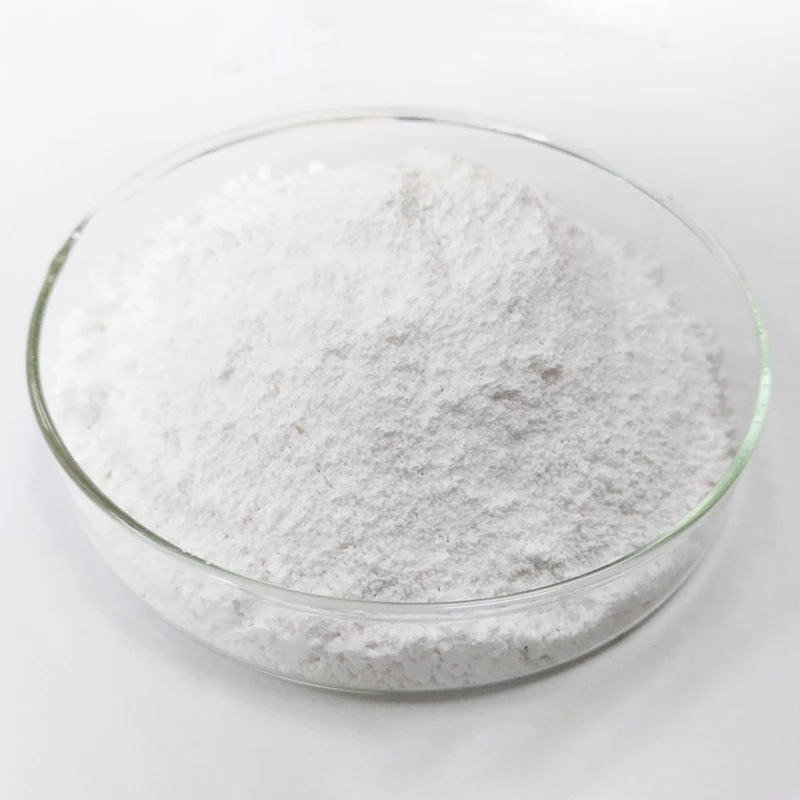
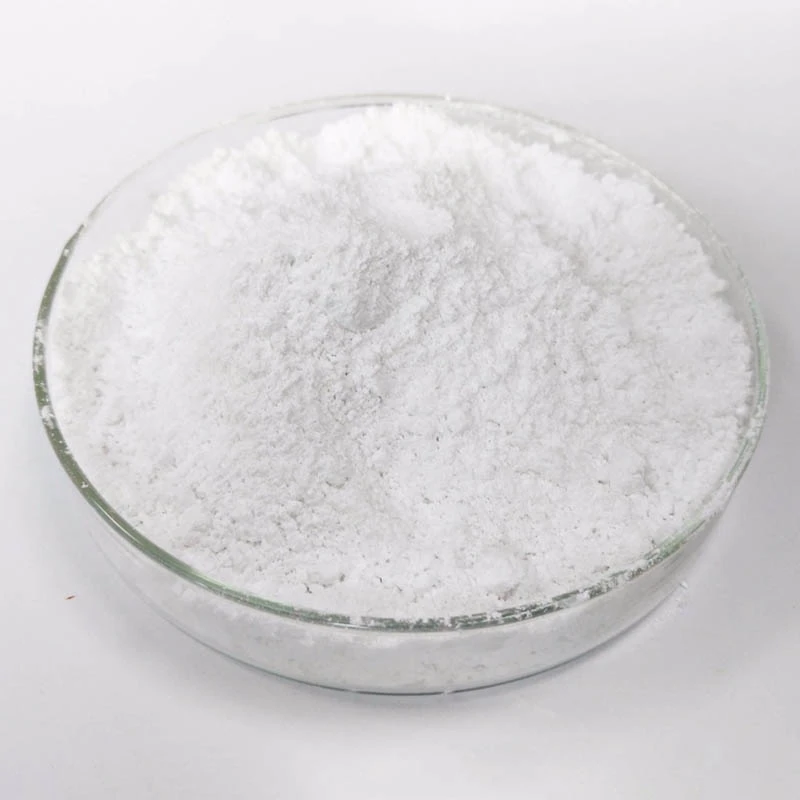
Dongguan Hongtaiji Flame Retardant Materials Co., Ltd. has launched HF-122, a halogen-free, red phosphorus-free, environmentally friendly flame retardant, for the heat shrink tubing industry. This product is a white powder with advantages such as smoke suppression, melt dripping prevention, char promotion, non-volatility, and non-migration. When used in colored heat shrink tubing, it can easily reach the VW-1 flame retardant standard, and the tubing after irradiation has no creases and good scratch resistance. A specific formula example: 90 kg of EVA, 60 kg of HF-122, and 30 kg of MCA. Heat shrink tubing prepared according to this ratio can pass the VW-1 test. The product complies with the RoHS Directive and REACH regulation standards.
As DBDPE is gradually phased out globally, halogen-free, red phosphorus-free flame retardant heat shrink tubing is moving from high-end customization to an industry standard. Preparing halogen-free, red phosphorus-free flame retardant solutions in advance is not only an inevitable choice for environmental compliance, but also a strategic measure to enhance product competitiveness.