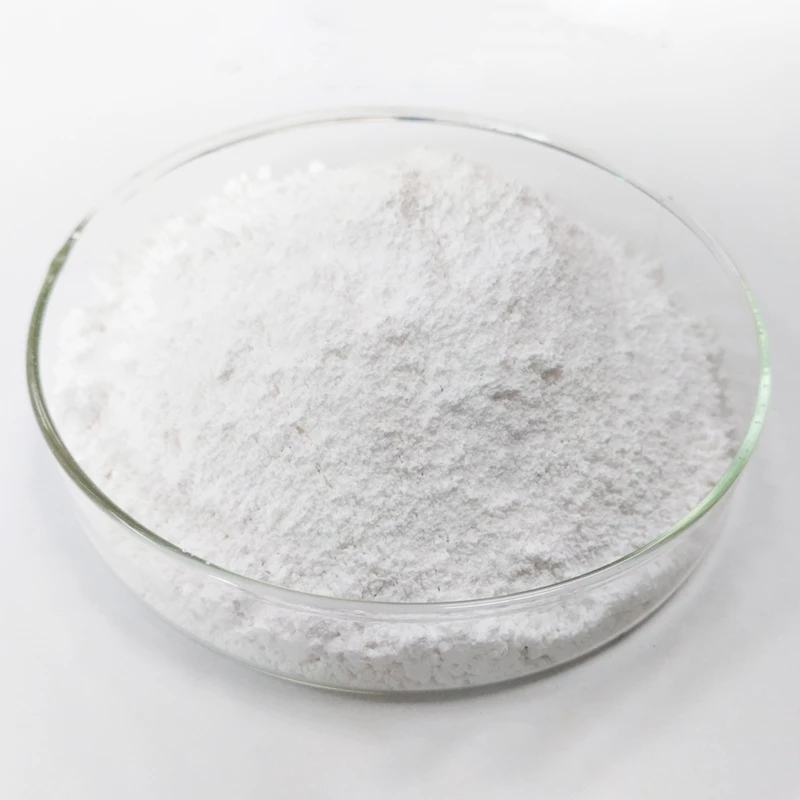

Melamine Cyanurate (MCA) is a high-efficiency, environmentally friendly nitrogen-based halogen-free flame retardant, self-assembled from melamine and cyanuric acid through hydrogen bonding. Due to its excellent flame retardancy and green properties, MCA plays an increasingly important role in the field of flame retardancy for modern polymer materials.
The flame retardant mechanism of MCA is unique and efficient. When a polymer containing MCA is heated or burned, it rapidly decomposes, absorbing a large amount of heat while releasing non-flammable gases such as nitrogen and carbon dioxide, effectively diluting the oxygen and combustible gas concentrations in the flame zone. More importantly, MCA catalyzes the charring of the polymer, forming a dense carbon foam layer on its surface. This char layer acts as an insulating and oxygen-barrier shield, efficiently interrupting the chain reaction of combustion.
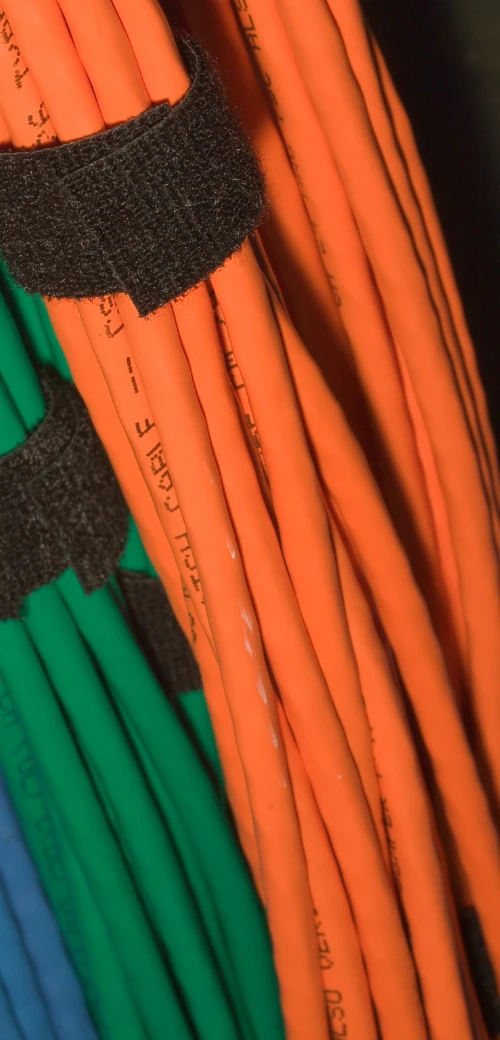
MCA has a wide range of applications, with the most prominent effect in unfilled polyamides (nylon 6 and nylon 66), where an appropriate addition can achieve a UL94 V-0 flame retardant rating. Additionally, it has been successfully applied in the flame retardant modification of various polymer materials, including epoxy resins, polyesters, rubber, and polyethylene cable compounds.
The importance of MCA is also reflected in its outstanding environmental and processing advantages. As a halogen-free flame retardant, MCA produces low smoke emission during combustion and does not generate corrosive or toxic hydrogen halide gases, perfectly aligning with increasingly stringent global environmental regulations. Moreover, it offers benefits such as low toxicity, high thermal stability, good compatibility with resins, and minimal impact on the mechanical properties of materials, making it an ideal alternative to traditional halogenated flame retardants. China is already the world's largest producer and consumer of MCA, and with continuous technological advancements, its importance is expected to further increase.