
Acrylic Adhesive Flame Retardant/ And key points for selection. Acrylic adhesive is widely used in electronic packaging, automotive interiors, power batteries, etc., but its flammability limits its application in scenarios with strict fire safety requirements. Selecting a suitable flame retardant requires balancing multiple factors such as flame retardant efficiency, adhesive transparency, bonding strength, and environmental compliance.
Mainstream flame retardant types and characteristics
Phosphorus-nitrogen halogen-free flame retardants are currently the mainstream choice. Reactive flame retardants represented by DOPO derivatives can become part of the polymer backbone through chemical bonding, with no migration or exudation issues, providing durable and stable flame retardancy. Organic phosphate ester flame retardants are transparent or light yellow viscous liquids, and adding 10-15% can significantly improve flame retardancy without affecting adhesive transparency. Ionic liquid flame retardants (such as JS-A11) have good compatibility with acrylic adhesive, and adding 7-12% can achieve VTM-0 flame retardancy.
Inorganic flame retardants (aluminum hydroxide, magnesium hydroxide) are environmentally friendly and low-cost, but require high loading (>50%) to achieve UL94 V-0 rating, which can easily affect the flexibility and bonding strength of the adhesive.
Selection strategies for different systems
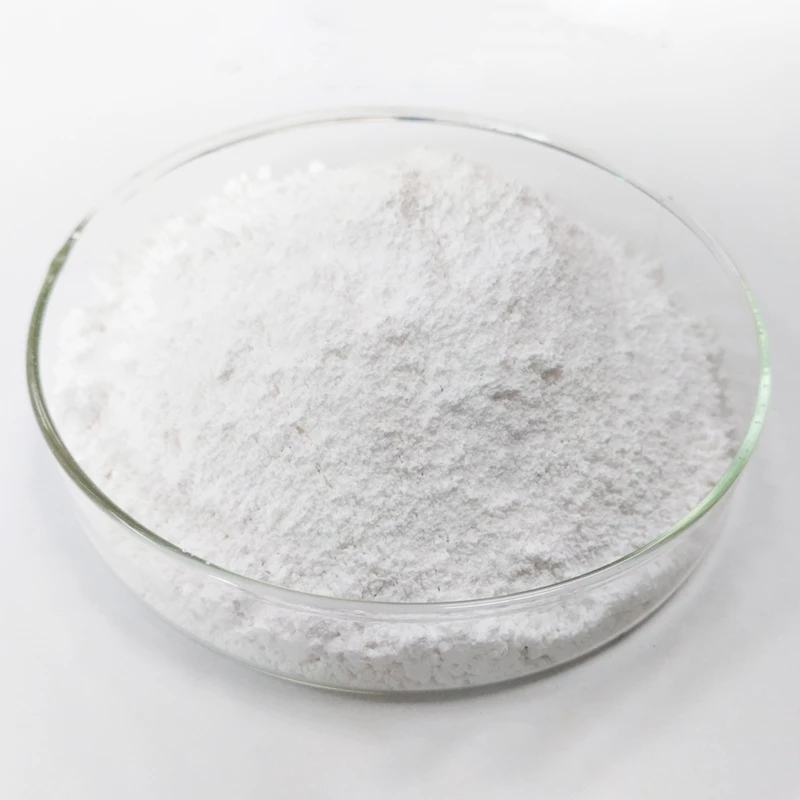
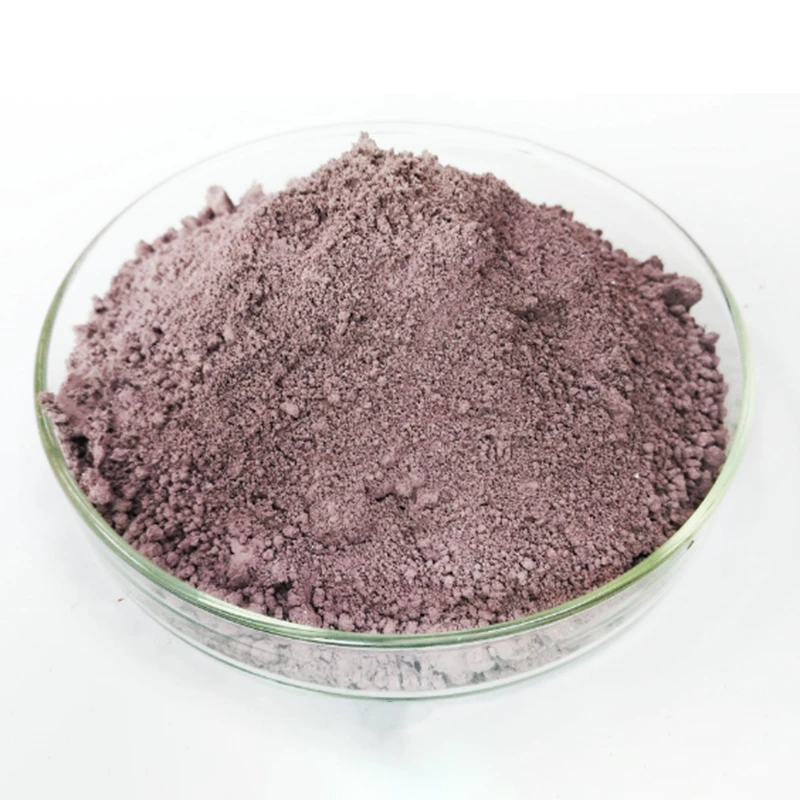
Solvent-based acrylic adhesive: It is recommended to use phosphorus-nitrogen halogen-free flame retardants, with an addition of 15-30% to achieve UL94 V-0 rating. For example, FR-131A is a white powder with phosphorus content ≥18.5%, suitable for coating products such as mara tape and acrylic double-sided tape. It can also be compounded with liquid flame retardants for better results.
Water-based acrylic adhesive: It is necessary to select flame retardants with good compatibility with the water system. For example, DNP-4, after special surface modification, can be stably dispersed in water-based systems. The recommended addition amount is 10-35%, achieving self-extinguishing upon removal from fire.
Thermosetting acrylic adhesive: The curing temperature is usually 120-180°C, and the flame retardant needs to withstand high temperatures without decomposition. It is recommended to use a synergistic compounding scheme of ultrafine aluminum hydroxide (≤35%) + aluminum hypophosphite (8-12%) + zinc borate (5-8%) + MCA (3-5%).
When selecting flame retardants, preference should be given to halogen-free environmentally friendly products that comply with RoHS, REACH and other regulatory requirements. It is recommended to achieve synergistic effects through compounding technology to strike the best balance between flame retardant efficiency and adhesive mechanical properties.