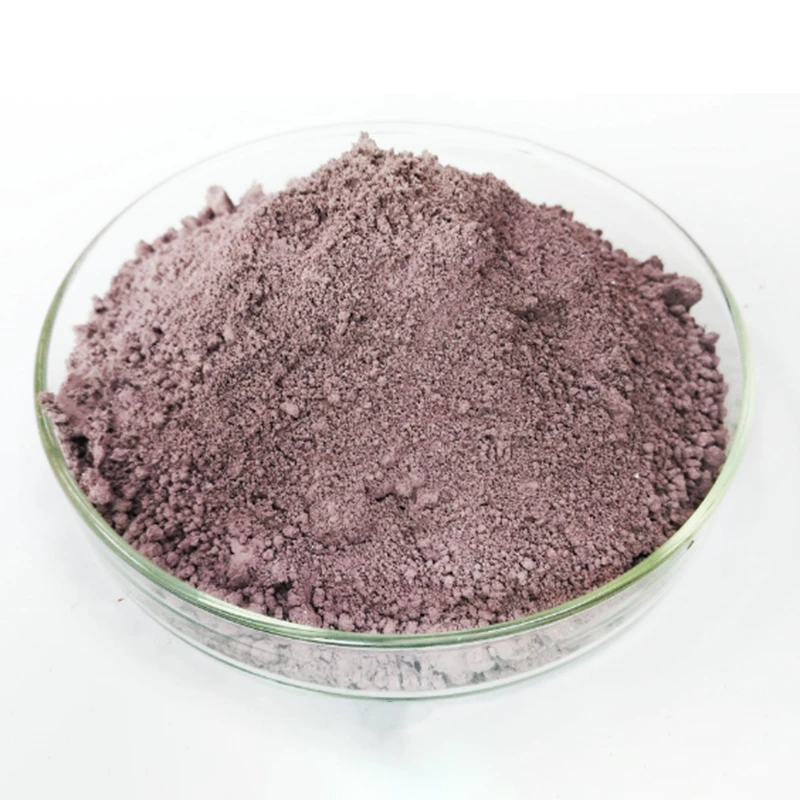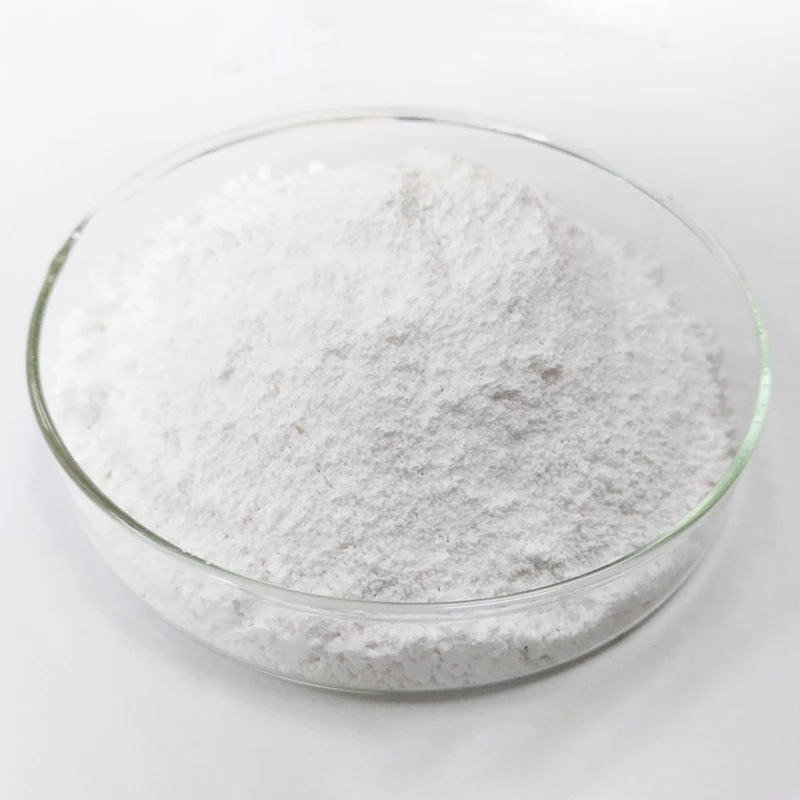

Driven by the dual forces of tightening global environmental regulations and upgrading industrial safety standards, halogen-free flame retardancy has become a rigid development direction for the polymer materials industry. As regulations such as RoHS and REACH continue to restrict the application scenarios of halogenated flame retardants, melamine cyanurate (MCA), as a core representative category of nitrogen-based halogen-free flame retardants, has gradually grown into one of the most widely used flame retardant materials in fields such as engineering plastics, wires and cables, and electronic and electrical appliances, relying on balanced comprehensive performance and outstanding cost-effectiveness, and its industrial importance continues to become more prominent. Unlike the defect of traditional halogenated flame retardants that release toxic and corrosive gases when burning, MCA is low-smoke, low-toxicity, and free of corrosive by-products, and its combustion process does not produce dioxin-like harmful substances, fully aligning with the global green manufacturing trend; at the same time, MCA is a white crystalline powder and can be adapted to the production of various light-colored and colored products, solving the industry pain point that flame retardants such as red phosphorus cannot be used in appearance parts. In addition, with excellent electrical insulation performance, it has become a preferred flame retardant material for electronic insulating components.
The core value of MCA flame retardants stems from the high balance between their unique dual flame-retardant mechanism and material properties. During heating, on the one hand, MCA decomposes and absorbs a large amount of heat, lowering the surface temperature of the material, while releasing inert gases such as nitrogen to dilute the concentration of combustible gases in the combustion zone, thereby inhibiting flame spread from the gas phase; on the other hand, it catalyzes rapid dehydration and crosslinking of the polymer matrix, forming a dense and stable carbonaceous protective layer on the material surface, isolating heat and oxygen transfer, blocking the combustion chain reaction from the condensed phase, and effectively inhibiting high-temperature molten droplet dripping to avoid the risk of secondary ignition. In the modification of engineering plastics such as nylon PA6 and PA66, MCA can achieve UL94 V-0 flame retardant rating without an ultra-high filling amount, has little impact on mechanical properties such as tensile strength and impact toughness of the material, and also offers good processing fluidity and is not prone to precipitation, balancing flame retardant effect, product performance, and production cost. In addition to polyamide systems, MCA can also be applied in fields such as silicone rubber, epoxy resin, fireproof coatings, and lithium battery separators, adapting to the flame retardant modification needs of different substrates and covering multiple core industrial sectors including electronic and electrical appliances, automotive manufacturing, new energy, and construction.
As downstream industries upgrade toward high-end and precision-oriented development, MCA flame retardants are also undergoing continuous technological iteration, evolving from traditional micron-scale products toward nanoscale refinement, further expanding the boundaries of high-end applications. The MCA product system of Dongguan Hongtaiji Flame Retardant Materials covers conventional industrial-grade and high-end nanoscale categories, with uniform and controllable particle size and excellent thermal stability, and the entire series complies with RoHS and REACH environmental standards, providing stable support for flame retardant modification in various fields. From the perspective of industry development, MCA flame retardants not only meet the cost and performance requirements of current industrial mass production, but can also adapt to the higher requirements of future high-end manufacturing through technological upgrading, making them an indispensable core pillar material in the halogen-free flame retardant system. Driven by industries such as new energy, electronic information, and automotive lightweighting, the depth and breadth of MCA flame retardant applications will continue to expand, and their importance in industrial safety and green transformation will be further enhanced.