
Nanoscale MCA is an important flame-retardant additive in halogen-free flame-retardant engineering plastics and composites, commonly used in modified nylon, battery separators, electronic connectors, automotive connectors, new energy components, wires and cables, and other scenarios. During procurement, if you only compare unit prices or only look at particle size, it is easy to overlook dispersibility, thermal stability, loading, substrate compatibility, and final flame-retardant test results, which may cause decreased mechanical properties, unstable processing, or failure to meet flame-retardant ratings. Therefore, nanoscale MCA selection should be validated around the specific material system and end-use performance requirements.
Before choosing nanoscale MCA, you should first confirm the substrate type, processing temperature, product thickness, flame-retardant rating, color requirements, electrical performance requirements, and environmental compliance requirements. For engineering plastics such as modified nylon, electronic connectors, and automotive connectors, it is necessary to also focus on flame-retardant efficiency, material strength, dimensional stability, and electrical performance; for battery separators and new energy materials, you should also focus on confirming particle size distribution, dispersion state, thermal stability, and impact on substrate processing; for wires and cables, silicone rubber, and other composite materials, it is necessary to determine whether nanoscale MCA is suitable for compounding with existing phosphorus-based materials or other flame-retardant systems.
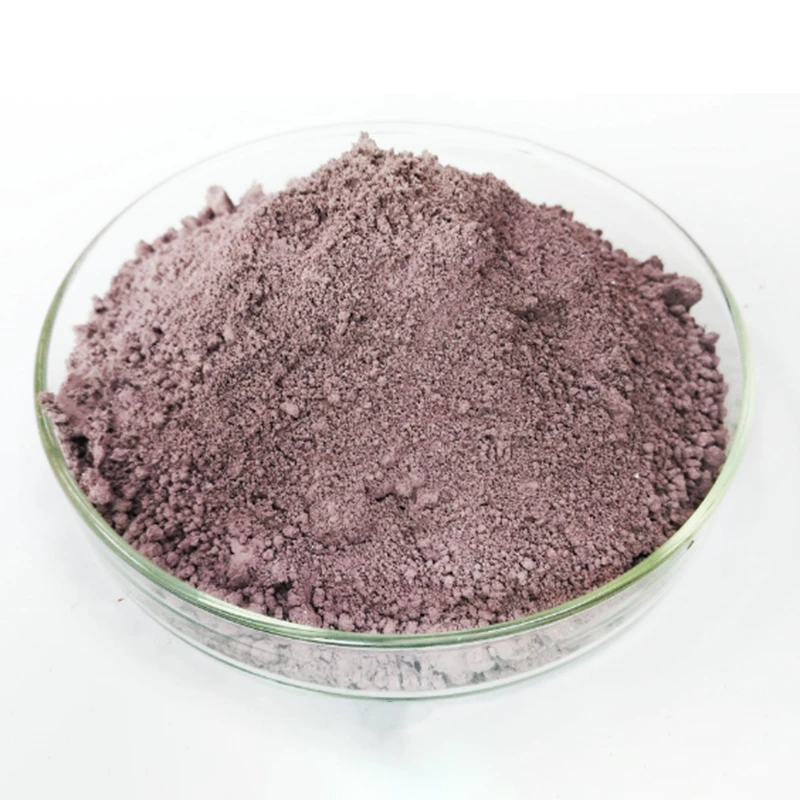
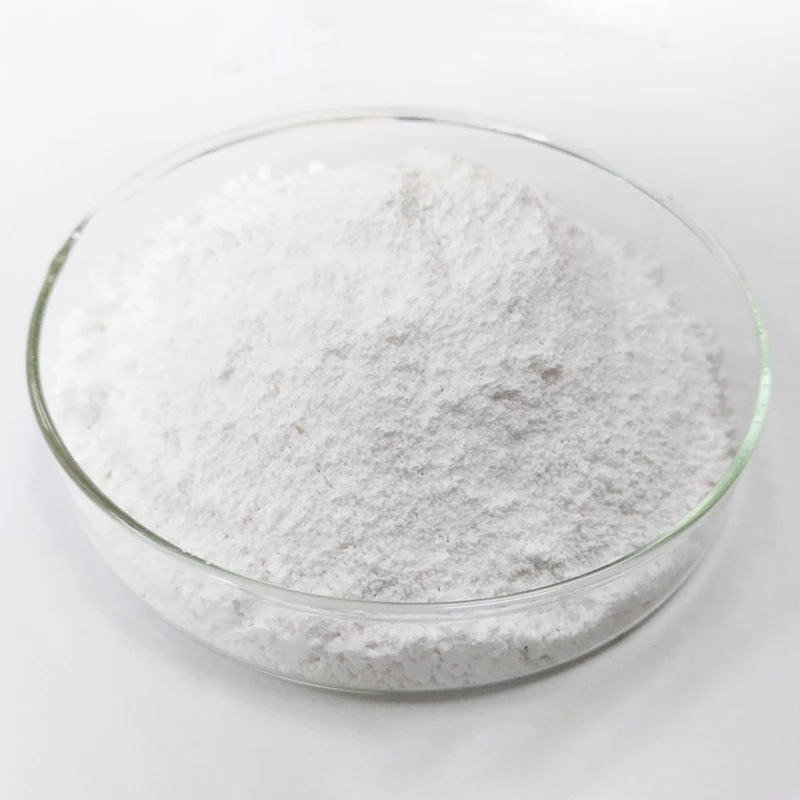
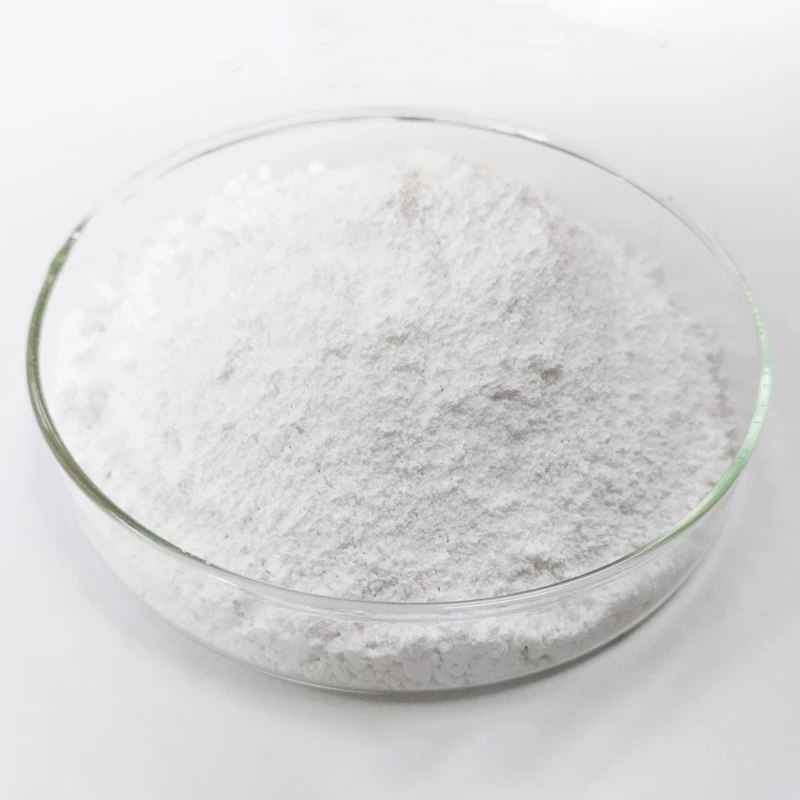
Nanoscale MCA usually exerts its flame-retardant effect through mechanisms such as endothermic decomposition, release of inert gases, dilution of combustible gases, and promotion of char formation. The nanoscale MCA provided by Dongguan Hongtaiji Flame Retardant Materials Co., Ltd. is prepared by a nano process. Case data show that its particle size is usually around 400–500 nm, with good dispersibility, thermal stability, and substrate compatibility, making it suitable for engineering plastics and composites with high requirements for flame-retardant efficiency, physical and mechanical properties, and environmental friendliness.
Which indicators should be focused on in procurement evaluation?
First, look at particle size and dispersibility. Nanoscale MCA is not necessarily more suitable the smaller the particle size; the key lies in the particle size stability of actual batches, agglomeration, and dispersion effect in the target resin. During selection, the supplier should be required to provide basic data such as particle size, appearance, and volatile matter, and small-scale trials should be used to observe the dispersion state during mixing, extrusion, or coating.
Second, look at flame-retardant efficiency and loading. Low loading does not mean that all material systems can directly achieve the same flame-retardant rating. Nylon, polyolefins, silicone rubber, and separator coatings have different formulation structures, so flame-retardant effect, mechanical properties, and processing performance should be verified separately, and the addition ratios used by other customers should not be simply copied.
Third, look at processing adaptability. Nanoscale MCA is suitable for high-performance engineering plastics, but judgment still needs to be based on specific processing temperature, shear conditions, screw configuration, drying process, and molding cycle. For moisture-sensitive materials or materials with high appearance requirements, attention should also be paid to storage environment, packaging integrity, and pre-use treatment requirements. Relevant case data show that nanoscale MCA is usually packaged in woven bags lined with PE film, and it is recommended to store it in a cool, dry indoor environment, avoiding sunlight, rain, and packaging damage.
At the same time, verify environmental and quality documents. Dongguan Hongtaiji Flame Retardant Materials Co., Ltd. has passed ISO9001 quality management system, ISO14001 environmental management system, and ISO45001 occupational health and safety management system certifications, and has SGS, RoHS, and REACH-related compliance information. The company was founded in 2011, has 30,000 square meters of standardized factory buildings, more than 50 frontline technicians, and more than 30 core patents, and continuously carries out product iteration of halogen-free flame retardants. Buyers should still confirm the applicable scope of corresponding test reports and compliance documents based on specific product batches and export destination requirements.