
I. Industry pain points and rigid demand for flame-retardant modification of epoxy resin
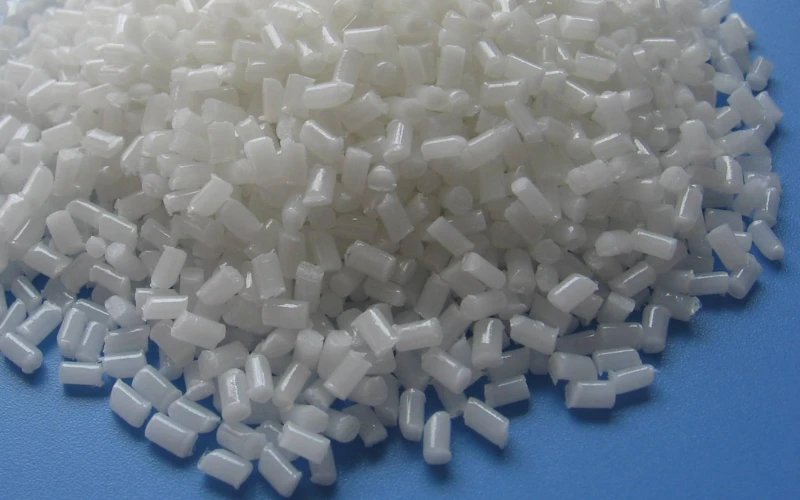
Epoxy resin has excellent electrical insulation, chemical corrosion resistance, high adhesive strength, and flexible processing, and is a core substrate for electronic packaging materials, high-voltage insulation components, composite materials, aerospace components, and power battery structural parts. However, pure epoxy resin has extremely poor flame retardancy, with a limiting oxygen index of only 19%~22%, and is a flammable polymer material.
Unmodified epoxy resin can continue to burn violently when exposed to open flame, releasing a large amount of heat and thick smoke during combustion, posing a huge safety hazard. As safety standards in the new energy, electronics, and electrical appliance industries continue to upgrade,high flame-retardant modification of epoxy resin has upgraded from an optional process to a rigid requirement for industry access, UL94 V-0 rating has become the basic fire protection threshold for most high-end epoxy products.
At present, mainstream high flame-retardant epoxy technologies in the industry all revolve aroundthe phosphorus-nitrogen synergistic flame-retardant mechanismand are mainly divided into two mature routes: reactive covalent modification flame retardancy and additive halogen-free flame retardancy, adapting to different formulation systems and mass production needs.
II. Reactive flame-retardant technology: DOPO molecular modification, balancing flame retardancy and mechanical properties
Reactive flame retardancy is the core technology for modifying high-end epoxy resins. Its core advantage is modifying the material at the molecular structure level, thoroughly solving the migration, precipitation, and blooming problems of traditional additive flame retardants, with better flame-retardant stability and weather resistance.
The industry mainstream usesDOPO (9,10-dihydro-9-oxa-10-phosphaphenanthrene-10-oxide) and its derivativesas the core, and through chemical reactions covalently graft phosphorus-containing flame-retardant groups onto the epoxy molecular network, achieving permanent flame retardancy with no precipitation loss.
1. DOPO dual flame-retardant mechanism
Gas-phase flame retardancy: During high-temperature combustion, it releases PO· free radicals, precisely quenching the flame chain reaction, rapidly extinguishing the flame, and inhibiting fire spread;
Condensed-phase flame retardancy: At high temperature, the phosphorus component catalyzes rapid dehydration and crosslinking of the epoxy resin matrix, forming a dense and stable char layer on the material surface, isolating heat and oxygen permeation, and blocking heat conduction.
2. Technical advantages: breaking the pain point of the contradiction between flame retardancy and mechanical properties
Traditional epoxy flame retardancy generally has the shortcoming of “improved flame retardancy, decreased mechanical properties,” while the optimized DOPO molecular modification technology can achieve bidirectional performance improvement. By combining DOPO groups with rigid aromatic structures with high epoxy density, only a low addition amount of 15 phr is needed to achieve multiple excellent effects:
UL94 V-0 flame retardant rating, limiting oxygen index LOI reaches 32.4%; peak heat release rate reduced by 54.4%; glass transition temperature increased by 15°C; tensile strength increased by 21%. Perfectly suitable for the production needs of high-end structural parts and high-temperature-resistant insulating parts.
III. Additive flame retardant technology: simple process, suitable for rapid upgrading of existing formulations
Compared with the complex reaction-type modification,phosphorus-nitrogen additive flame retardant solutionsare simple to operate, widely adaptable, require no changes to the original molecular formulation, are suitable for rapid upgrading of existing production lines and mass production, and are a mainstream solution for industrial mass production.
After heating, phosphorus-nitrogen flame retardants decompose to generate phosphoric acid derivatives, efficiently catalyzing char formation in the epoxy matrix; at the same time, they release nonflammable inert gases such as ammonia and water vapor, diluting the concentration of combustible gases in the combustion zone, and achieve efficient flame retardancy through dual synergy of condensed phase + gas phase.
Measured data show that: an epoxy system with 18 wt% high-quality phosphorus-nitrogen flame retardant added can stably reach UL94 V-0 rating, with an LOI value up to 33%; peak heat release rate reduced by 58.7%, total smoke release significantly reduced by 61.6%, combining multiple effects of flame retardancy, smoke suppression, and heat insulation.
For high-end electronic and electrical scenarios, taking into account dielectric properties, low water absorption, and transparency requirements, the following can be used:liquid phosphate ester + aminophenyl phosphine oxide composite system, low addition levels can achieve V0 flame retardancy while retaining the high transparency of epoxy adhesive films, with no whitening or turbidity issues.
IV. Hongtaiji epoxy-specific halogen-free flame retardant FR-163 product solution
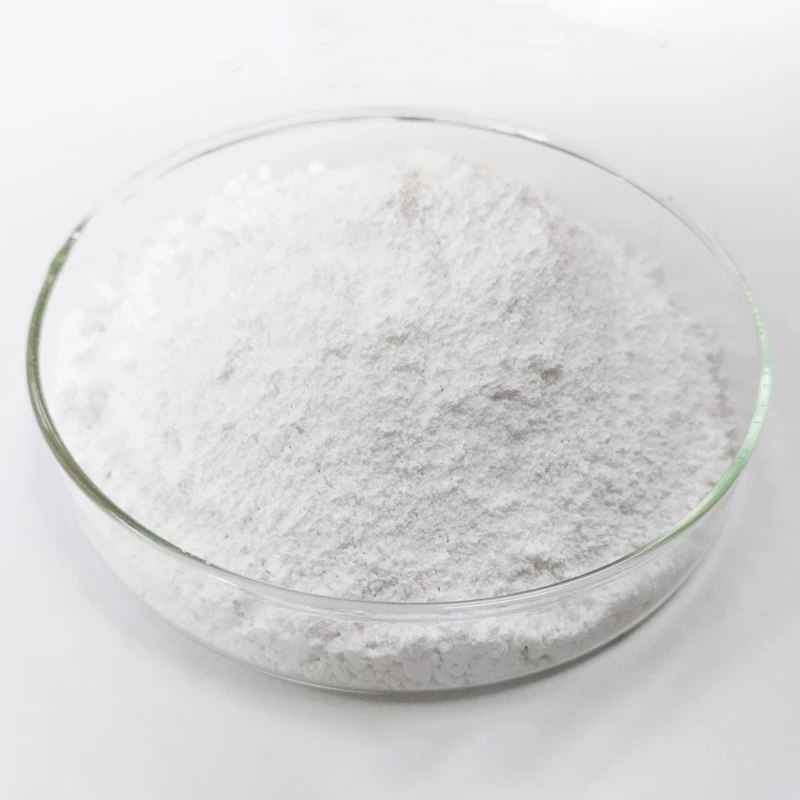
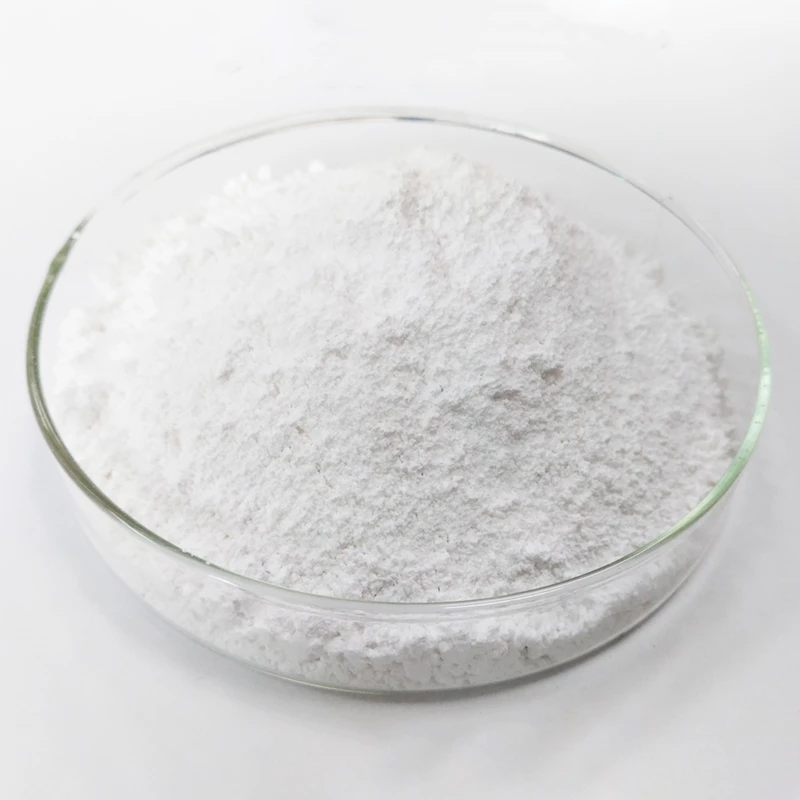
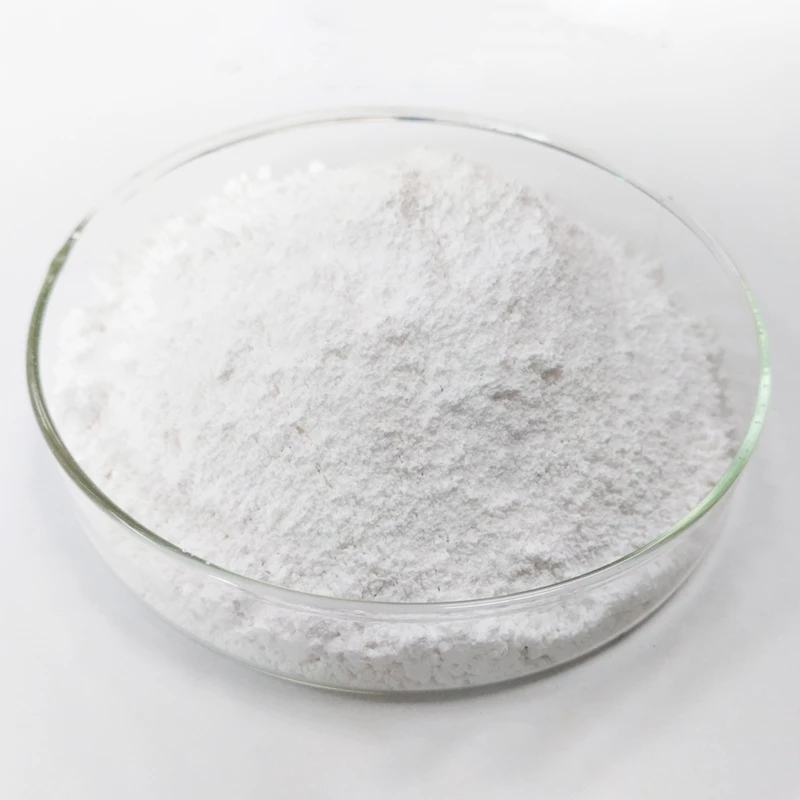
Dongguan Hongtaiji Flame Retardant Materials Co., Ltd. has developed and mass-produced products for various epoxy resin application scenariosHalogen-free, red phosphorus-free,Environmentally friendly epoxy-specific flame retardant FR-163, suitable for all types of one-component and two-component epoxy systems, with strong compatibility and applicable to various curing agent formulations.
Core product parameters and process
1. High phosphorus content: phosphorus content calculated as P₂O₅ ≥30.0%, high phosphorus-nitrogen synergistic efficiency, high flame retardancy achieved at low addition;
2. Simple process: directly add to the epoxy resin matrix and stir evenly, then add curing agent and heat-cure, without complex modification process;
3. Recommended dosage: flame retardant accounts for 25%~30% of the total system mass (resin + curing agent + flame retardant); for ultra-thin products, the dosage can be appropriately adjusted to ensure flame retardancy stability.
The product is halogen-free and environmentally friendly throughout, meets industry safety regulation requirements, and is widely suitable for electronic packaging, insulating potting, epoxy boards, composite materials, etc., balancing flame retardancy and processing stability.
V. Core logic for selecting high flame-retardant solutions for epoxy resin
1、High-end precision products, long-term weather resistance, zero migration requirements: prioritize DOPO reactive molecular modification solutions to achieve simultaneous upgrades in flame retardancy, mechanical properties, and heat resistance;
2、Existing production lines, rapid mass production, cost control requirements: Adopt a phosphorus-nitrogen-based additive flame retardant solution, with a simple process, rapid implementation, and broad adaptability;
3、Ultimate performance requirements: A reactive + additive composite system that can achieve the optimal balance among flame retardancy rating, thermal stability, mechanical strength, and dielectric properties.
Summary
The core of achieving high flame retardancy in epoxy resin is to fully utilize磷氮协同阻燃机制。反应型DOPO改性解决性能相悖难题,适配高端场景;添加型磷氮阻燃剂适配量产快速升级。企业可根据制品厚度、固化体系、透明度与性能要求,针对性优化配方,彻底解决环氧树脂易燃、烟量大的痛点,稳定实现UL94 V-0高阻燃标准。
FAQ|快速问答
Q:环氧树脂阻燃为什么优先选用磷氮体系?
A:磷氮协同兼具气相熄焰、凝聚相成炭双重作用,抑烟降温效果好,无卤环保,不破坏环氧介电性能与粘接性,是电子级环氧阻燃的最优体系。
Q:添加型阻燃和反应型阻燃怎么选?
A:追求零析出、高力学保留选反应型DOPO改性;追求低成本、快速量产、不改配方选添加型磷氮阻燃方案。