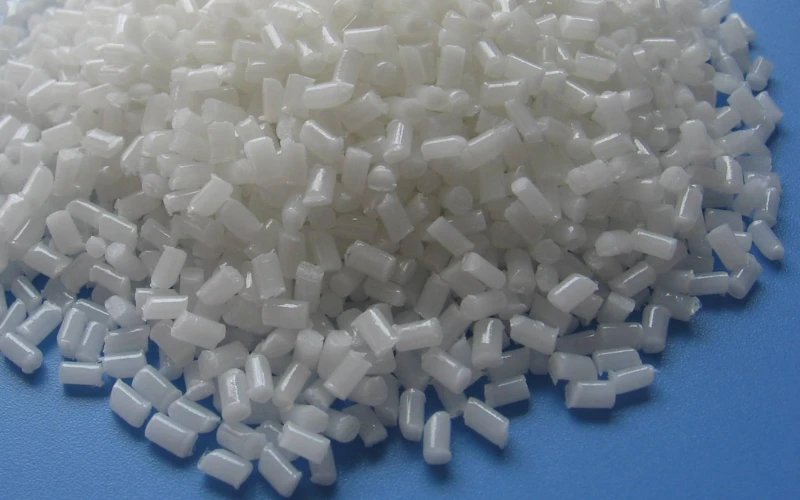

Nylon (PA), with excellent mechanical strength, high-temperature resistance, and chemical corrosion resistance, is widely used in core fields such as electronic appliances, automotive parts, power tools, and smart homes. However, pure nylon has poor flame retardancy: its limiting oxygen index is only about 24%, and it can generally only reach V-2 level in the conventional UL94 vertical burning test. It can continue to burn when exposed to an open flame and produce drips, very easily causing safety hazards such as short circuits and fires, and cannot meet the fire safety regulatory requirements of modern products. Therefore, professional flame-retardant modification is required.
The core difficulty in flame-retardant modification of nylon lies in: the flame retardant must match the three core elements of substrate type, processing temperature, and end-use application, and a universal formula cannot be blindly applied. Differences in PA grade, whether glass fiber reinforced, product appearance requirements, and processing technology all directly affect flame-retardant effect and product mechanical properties.
I. Comparison of Mainstream Nylon Flame-Retardant Systems: Halogen-Based Systems Are Being Phased Out, Halogen-Free Has Become Mainstream
At present, nylon flame retardants are mainly divided into two major systems: halogen-based and halogen-free. With the upgrading of global environmental regulations, the industry landscape has been completely established.
1. Halogen-based flame retardants (gradually being phased out)
Halogen-based flame retardants have high flame-retardant efficiency and low addition levels, but have obvious shortcomings: poor light stability, and during combustion they release toxic and corrosive gases such as hydrogen halides, polluting the environment and corroding equipment. Under the background of continuously tightening RoHS and REACH environmental regulations, they have basically withdrawn from high-end fields such as civilian, electronic, and new energy applications and are gradually being fully replaced.
2. Analysis of the advantages and disadvantages of the three mainstream halogen-free flame-retardant systems
(1) Inorganic hydroxide system (aluminum hydroxide/magnesium hydroxide)
The advantages are low cost, excellent smoke suppression, and halogen-free environmental friendliness; the disadvantages are extremely prominent. When used alone, it requires an ultra-high filling amount of 40%-60%, which severely damages the mechanical properties of nylon. At the same time, aluminum hydroxide has a decomposition temperature of only 180-200°C, far lower than the processing temperature of nylon. During processing, it is prone to foaming, decomposition, and blistering, resulting in an extremely low yield, and it is only suitable for low-end non-structural products.
(2) Phosphorus-based flame-retardant system (microencapsulated red phosphorus, aluminum hypophosphite ADP)
As the mainstay of halogen-free flame retardancy for nylon, its flame-retardant efficiency is industry-leading. Among them, microencapsulated red phosphorus offers extremely high cost-effectiveness; an addition of only 8%-12% can make PA6/PA66 stably reach UL94 V-0 level; the only limitation is that products can only be made in dark colors and cannot meet white or colored appearance requirements. Aluminum hypophosphite ADP has good compatibility and excellent electrical properties, and is often used as a synergistic flame-retardant component in compounding.
(3) Nitrogen-based flame-retardant system (MCA, melamine cyanurate)
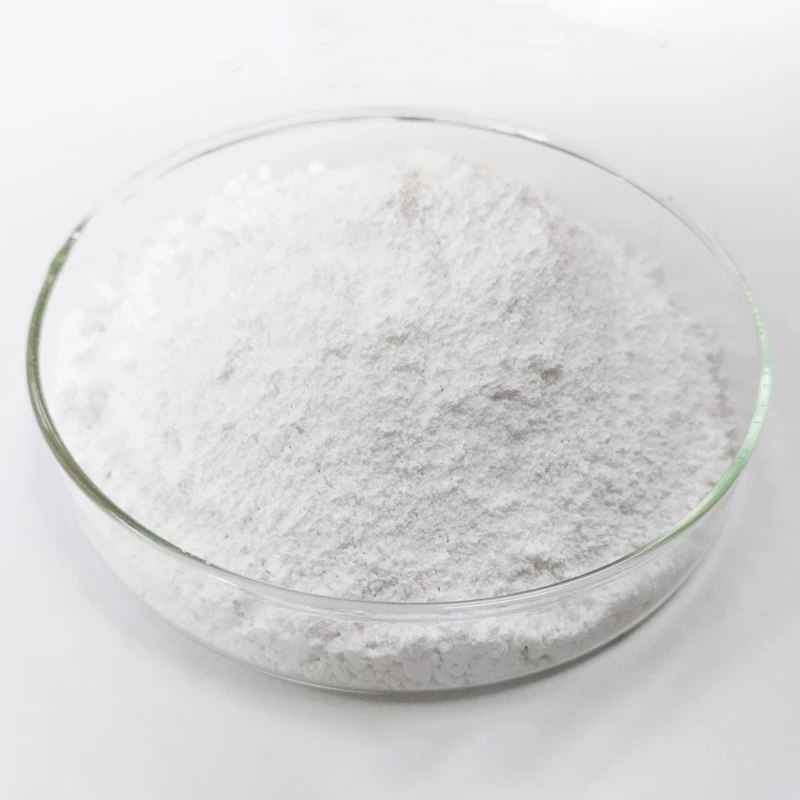
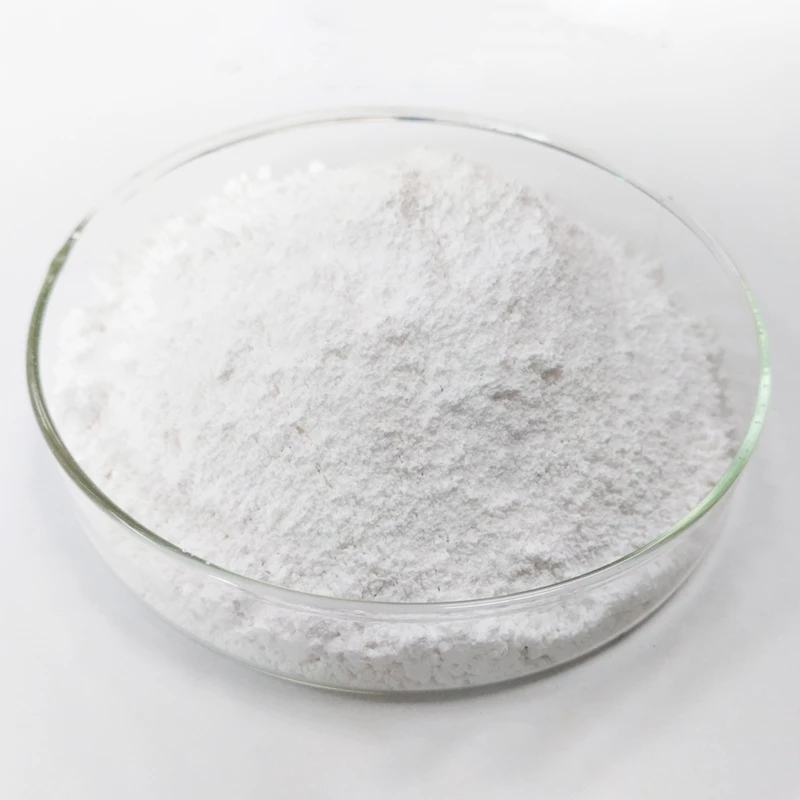
MCA is a white, environmentally friendly, halogen-free powder with low smoke, low toxicity, and excellent electrical insulation properties. It has no restrictions on product coloring and is suitable for various colored and transparent nylon products. It is the preferred flame retardant for electronic connectors and low-voltage electrical appliance housings. The disadvantage is that conventional MCA used alone requires an addition of more than 10%, and ordinary powder is prone to moisture absorption and has average dispersibility.
II. Differences Between PA6 and PA66 Flame-Retardant Formulations: Non-Interchangeable Formulations
1. PA6 and PA66 differ greatly in melting point and thermal stability, and their responses to flame retardants such as MCA are completely different, which is a key point in formulation design.
2. PA66 system: better compatibility; melting point about 260°C, highly matching MCA's initial decomposition temperature of about 300°C. In unreinforced pure resin systems, only 5%-8% MCA addition is needed to stably pass UL94 V-0 at 1.6 mm thickness.
3. PA6 system: higher flame-retardant difficulty; melting point about 220°C, earlier thermal decomposition range; under the same flame-retardant rating, higher addition is required, usually 10%-15% MCA to reach V-0.
III. Difficulties and Dedicated Solutions for Flame Retardancy of Glass-Fiber-Reinforced Nylon
Glass-fiber-reinforced nylon is a commonly used material in the modification industry, but glass fiber has a significant candlewick effect, which accelerates heat conduction, destroys the integrity of the char layer, and greatly weakens flame retardancy; it is a flame-retardant problem recognized by the industry.
For 30% glass-fiber-reinforced PA6/PA66 systems, a single flame retardant is difficult to meet standards. The industry's optimal solution is an MPP (melamine pyrophosphate) + ADP (aluminum hypophosphite) phosphorus-nitrogen synergistic compound system. The two materials act synergistically to form a dense, stable intumescent char layer in the condensed phase, blocking heat and oxygen penetration. A total addition of 15%-20% can enable 0.4 mm ultra-thin glass-fiber nylon products to stably reach UL94 V-0, balancing flame retardancy and mechanical properties.
IV. Advantages of Hongtaiji Nylon-Specific Flame Retardant Series Products
Dongguan Hongtaiji Flame Retardant Materials Co., Ltd. has been deeply engaged in the R&D and production of environmentally friendly halogen-free flame retardants for more than 20 years. It has created full-scenario adaptive flame-retardant products for different nylon systems, fully covering pure nylon, modified nylon, and glass-fiber-reinforced nylon scenarios, with the entire series compliant and environmentally friendly.
1. Nano-grade MCA flame retardant: breaks through the shortcomings of ordinary MCA, with particle size finely controlled at 0.5μm-0.7μm, uniform particle size, good dispersibility, and not easy to absorb moisture. Adding 8%-12% in PA6/PA66 can stably reach V-0, suitable for high-end electronic and electrical appearance parts.
2. MPP flame retardant (dedicated for glass fiber systems): phosphorus content >14%, nitrogen content >38%, thermal decomposition temperature over 300°C, perfectly matching nylon processing temperature. Compounded with ADP, it can efficiently solve the glass fiber candlewick effect problem, suitable for various glass-fiber-reinforced nylon structural parts.
3. Microencapsulated red phosphorus flame retardant: adopts a multi-layer precision coating process, ignition point ≥300°C, phosphine release less than 1 PPM, safe and environmentally friendly, high flame-retardant efficiency, suitable for efficient flame-retardant needs of dark-colored nylon products.
The company's entire range of nylon flame-retardant products strictly complies with the RoHS Directive and REACH international environmental regulations, and can meet the needs of various scenarios such as industrial mass production, export safety certification, and high-end modification.
Summary
There is no universal all-purpose formulation for nylon flame-retardant modification. The core is to accurately match the flame-retardant system according to the substrate type, whether it is glass-fiber-reinforced, product appearance, and usage scenario. Halogen-free environmentally friendly, low-addition, high-performance MCA, MPP, ADP, and coated red phosphorus systems have fully replaced traditional halogen-based and low-end hydroxide solutions. Relying on suitable flame-retardant products and scientific compound formulations, UL94 V-0 flame-retardant rating can be stably achieved while ensuring nylon mechanical properties, adapting to the mass production needs of nylon modification across the industry.