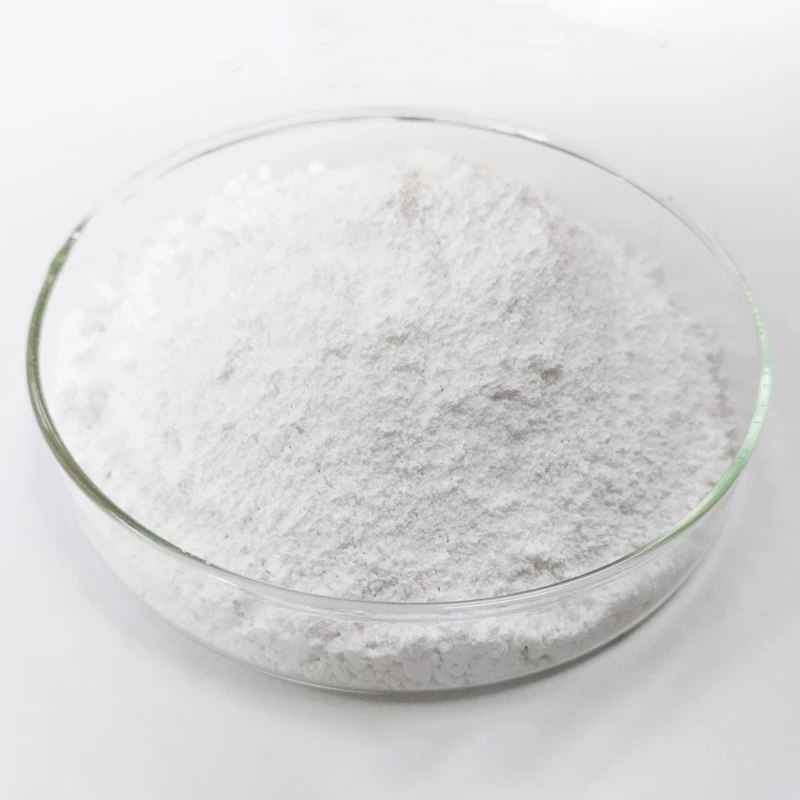

Against the backdrop of the global push for halogen-free, low-smoke flame retardant solutions, magnesium hydroxide (MH) is moving from an auxiliary flame retardant filler to center stage. As a hydrated metal oxide, it is hailed by the industry as a “pollution-free flame retardant” due to its green and non-toxic nature, efficient smoke suppression, and excellent thermal stability.
Magnesium HydroxideIts flame retardant mechanism is completely different from that of halogen-based systems, with a decomposition temperature range of 340°C to 490°C. When the material temperature rises into this range, magnesium hydroxide undergoes an endothermic dehydration reaction, absorbing a large amount of heat from the material surface, thereby effectively suppressing temperature rise. The released water vapor dilutes the concentrations of combustible gases and oxygen in the flame zone; meanwhile, the generated magnesium oxide residue deposits on the material surface, forming a dense thermal and oxygen insulation layer while promoting surface charring, thereby blocking combustion spread from the condensed phase. This synergistic effect combining endothermic cooling, gas-phase dilution, and condensed-phase insulation enables stable performance in materials such as polypropylene, polyethylene, EPDM rubber, and unsaturated polyester.
The outstanding advantage of magnesium hydroxide lies in its environmental friendliness—it produces no secondary pollution, is non-toxic, non-corrosive, and non-volatile, and exhibits good synergy with various flame retardants. At the same time, it combines the three major functions of flame retardancy, smoke suppression, and filling, with relatively low cost and wide availability. However, its shortcomings are equally evident: as a filler-type flame retardant, achieving UL94 V-0 rating typically requires an addition ratio as high as 65% or more, which significantly impacts the mechanical properties and processing flowability of the material. In addition, magnesium hydroxide has strong surface hydrophilicity, while most polymer materials are hydrophobic; the poor compatibility between the two can easily lead to agglomeration, weakening the actual flame retardant efficiency.
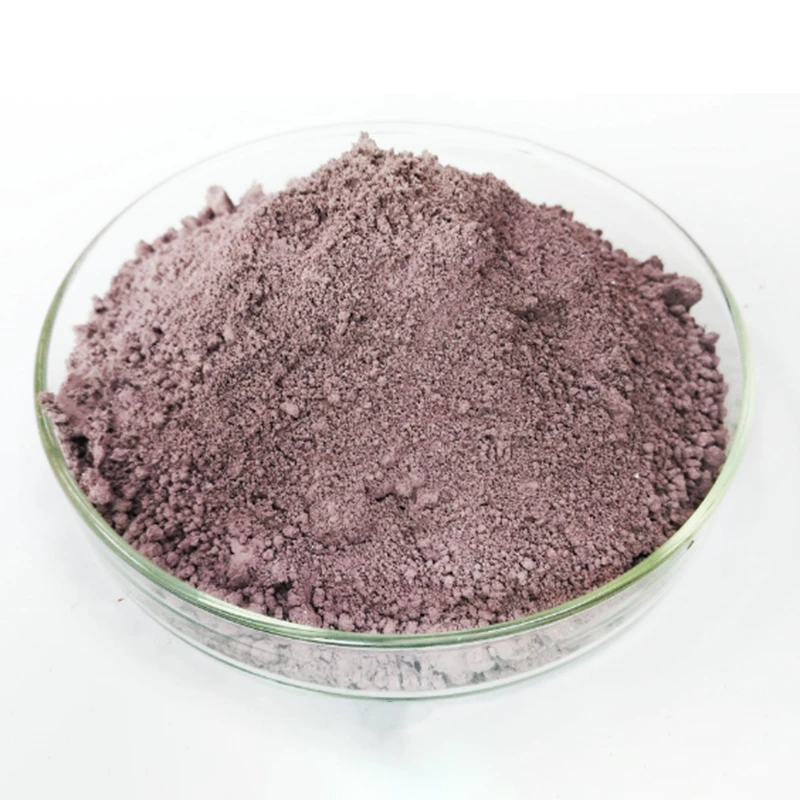
Surface modification technology is the key to unlocking the flame retardant potential of magnesium hydroxide. By activating and coating the particle surface with treatment agents such as silane coupling agents, titanates, and stearic acid, the hydrophilic surface can be converted to a hydrophobic one, significantly improving its compatibility and dispersion in polymer matrices. Studies show that after composite modification, the activation index of magnesium hydroxide can reach 98% or higher. In recent years, preparation technologies for nano-magnesium hydroxide have also become increasingly mature. Methods such as precipitation and hydrothermal/solvothermal synthesis have enabled precise control of morphology and particle size, further expanding its potential applications in high-end fields.
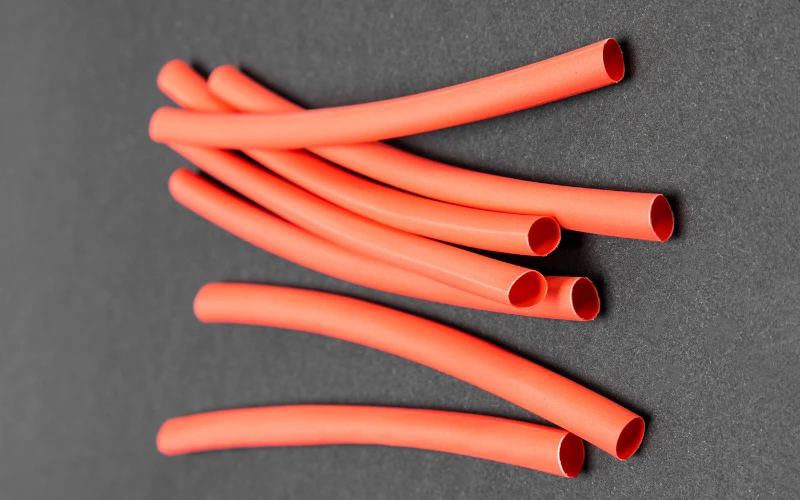
At present, magnesium hydroxide flame retardants are widely used in polypropylene, polyethylene, polyvinyl chloride, EPDM rubber, and cable sheath materials. In the cable industry, halogen-free flame retardant polyolefin composites using magnesium hydroxide as a filler exhibit excellent heat resistance and flame retardant performance. On the market side, the global magnesium hydroxide flame retardant market size reached USD 680 million in 2026, and is expected to exceed USD 1.07 billion by 2036, with the Asia-Pacific region contributing approximately half of the consumption share.
Dongguan Hongtaiji Flame Retardant Materials Co., Ltd. has been deeply engaged in the field of environmentally friendly flame retardants for more than 20 years, providing high-quality magnesium hydroxide flame retardant products widely used in rubber, plastics, and cable materials, compliant with RoHS directives and REACH regulations. Through continuous technological innovation and surface modification processes, the company is committed to providing customers with efficient and stable halogen-free flame retardant solutions.