
With the rapid development of the new energy vehicle and energy storage industries, the safety issues of lithium batteries have become increasingly prominent. As a key internal component of the battery, the separator's thermal shrinkage and flammability are important root causes of thermal runaway. The application of flame retardants, by constructing a flame-retardant coating on the separator surface, suppresses or delays separator combustion under extreme conditions, buying valuable time for the safety system to respond.
The current mainstream flame retardant solutions are mainly divided into two systems: inorganic and organic. Inorganic flame retardants, such as aluminum hydroxide, magnesium hydroxide, and boehmite, reduce flame temperature through endothermic decomposition and water vapor release, while forming an insulating ceramic layer that blocks heat transfer. Organic flame retardants, represented by nitrogen-based and phosphorus-nitrogen systems, achieve efficient flame retardancy through chemical or physical mechanisms.
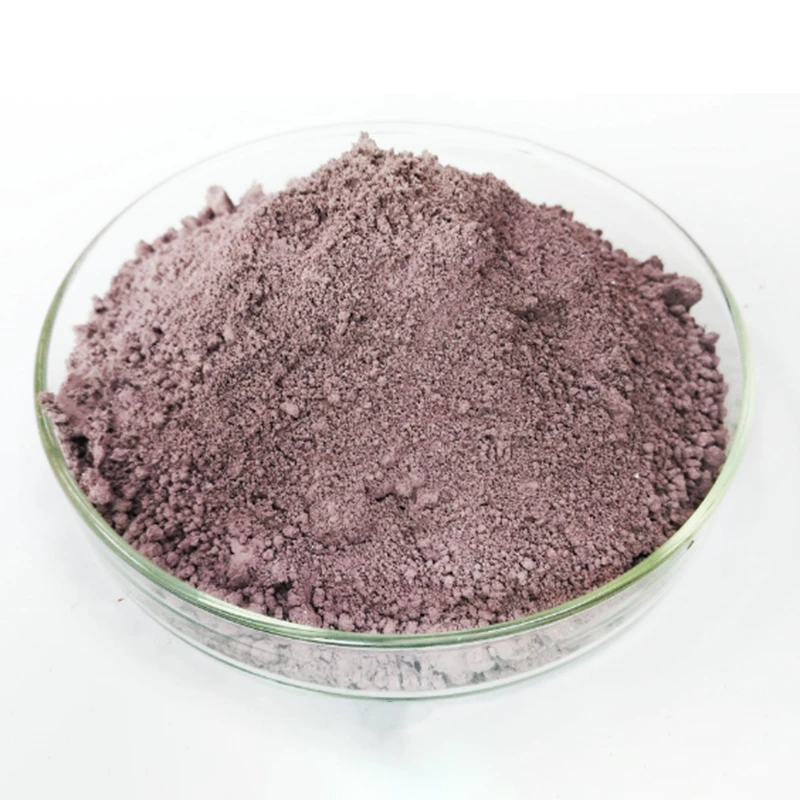
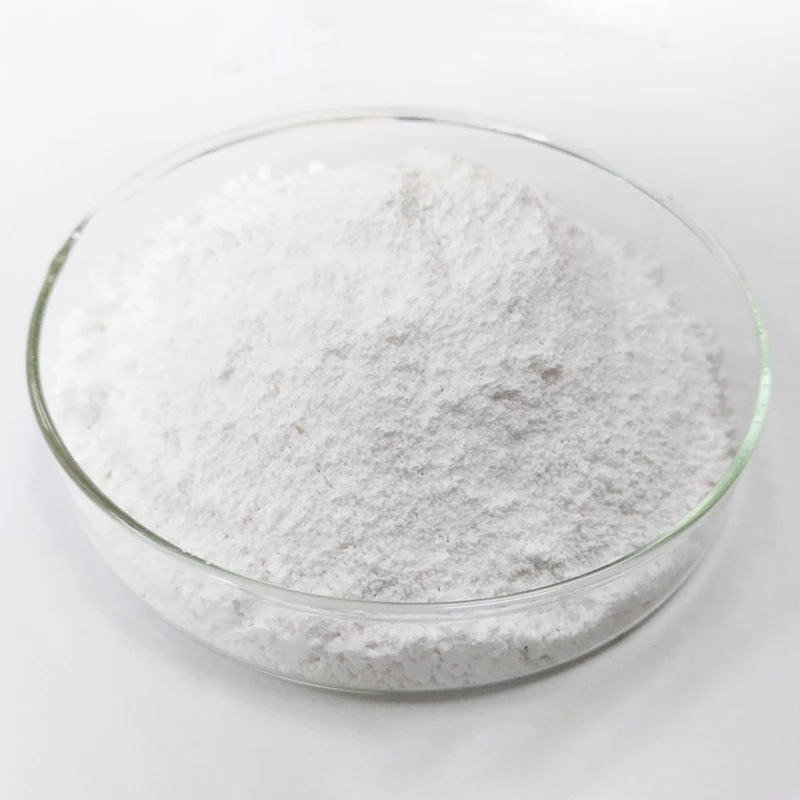
Melamine cyanurate (MCA) is a highly representative nitrogen-based halogen-free flame retardant. As a low-cost hydrogen-bonded organic framework material, when applied as a modified layer on polypropylene separators, MCA can significantly enhance the separator's thermal stability and flame-retardant performance. Its flame-retardant mechanism is based on the synergistic effect of condensed-phase char layer barrier and gas-phase flame retardancy. By uniformly covering the separator surface through coating technology, MCA rapidly forms a dense char layer during thermal runaway, effectively suppressing battery deflagration.
After nano-sizing MCA, the flame-retardant efficiency is further improved. With its ultrafine particle size, nano-MCA can achieve oriented arrangement in the separator coating, rapidly absorbing heat to form a nanoscale thermal protection barrier during thermal runaway. The increased specific surface area enhances the catalytic charring efficiency by 40%, achieving higher flame-retardant standards with lower addition levels.
At the market level, the GB 38031-2025 “Safety Requirements for Power Batteries for Electric Vehicles,” officially implemented on July 1, 2026, has upgraded the thermal diffusion assessment standard to "no fire, no explosion." Driven by the new national standard, separator manufacturers have launched a new generation of flame-retardant separator products that achieve excellent performance of not burning even under open flames, while greatly extending the battery's cycle life.
Dongguan Hongtaiji Flame Retardant Materials Co., Ltd. has been deeply engaged in the research and development of environmentally friendly flame retardants for over 20 years. Its nano-MCA products can be refined to a particle size of 400-600nm, achieving UL94 V-0 flame retardancy with an addition of 8-12% in PA6/PA66. The products comply with the ROHS directive and REACH regulations and have been widely applied in high-end fields such as power battery separator coatings. With the comprehensive upgrading of safety standards, the application of flame retardants in battery separators is upgrading from an “optional feature” to a “mandatory standard.”