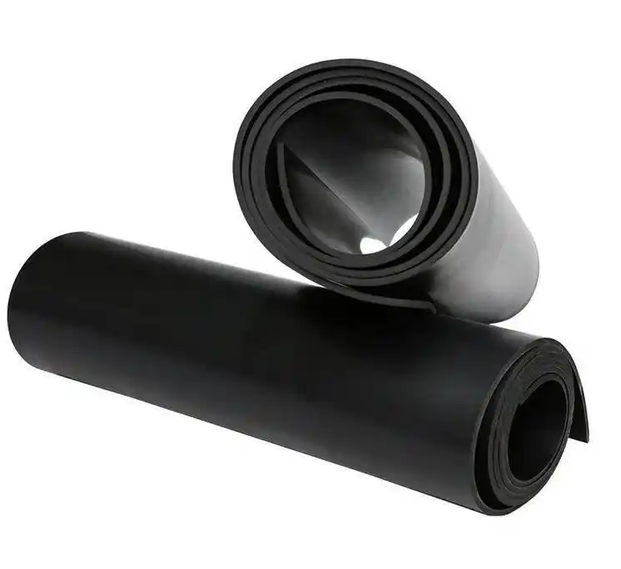

Ethylene-propylene-diene monomer (EPDM) rubber has a saturated main chain and contains no polar groups. It offers excellent weather and aging resistance and elasticity and is widely used in sealing strips, cable sheaths, rubber hoses, roofing waterproof membranes, and other applications. However, its limiting oxygen index is low, it burns and drips easily when exposed to fire, and it is difficult for it to form char on its own. To stably achieve UL94 V-0, one cannot simply copy plastic formulations; a halogen-free system must be designed by taking into account the vulcanization and high-elasticity characteristics of rubber.
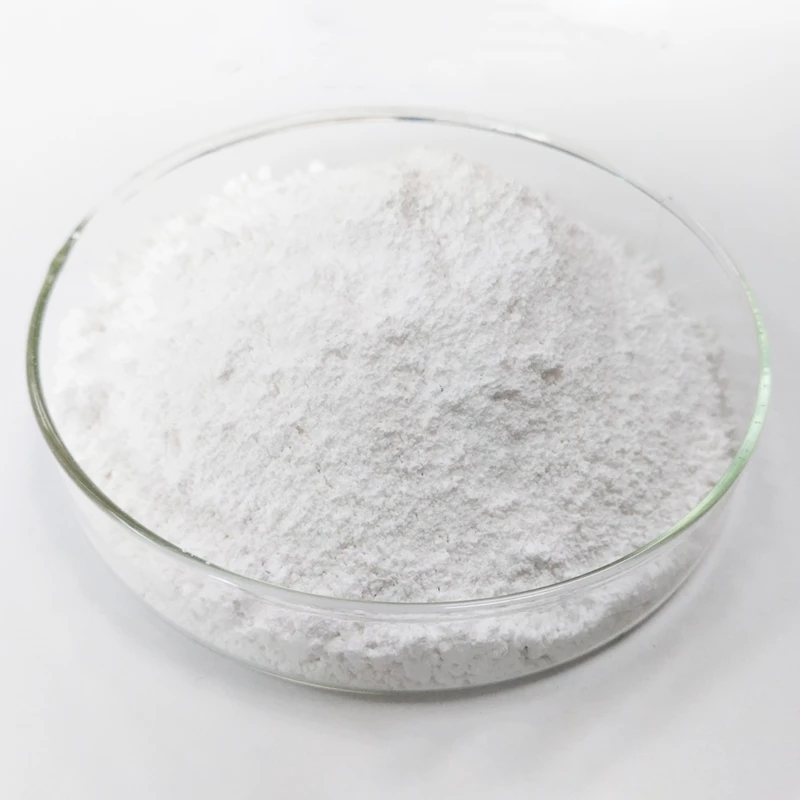
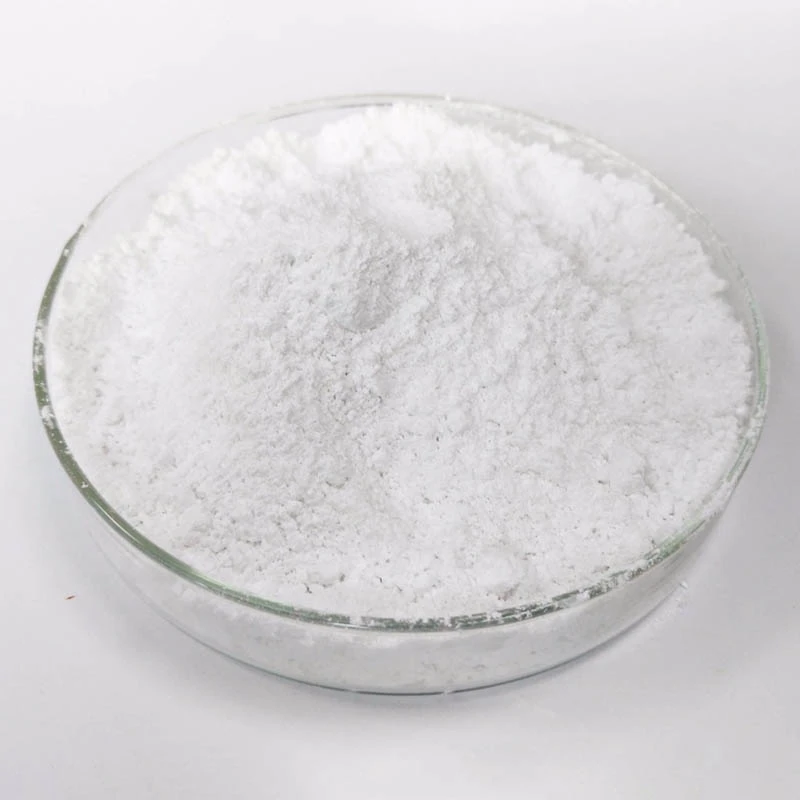
Currently, the mainstream route for EPDM to achieve V-0 is inorganic endothermic flame retardancy combined with phosphorus-nitrogen synergy. Using aluminum hydroxide (ATH) or magnesium hydroxide (MH) alone achieves flame retardancy by releasing water of crystallization/absorbing heat upon decomposition and forming an inorganic heat-insulating layer; it suppresses smoke, is non-toxic, and is low-cost, but reaching V0 often requires very high loading, which easily makes the compound hard, reduces elongation and rebound, and makes mixing and processing difficult. A more balanced approach uses inorganic hydroxide as the base, compounded with phosphorus-nitrogen intumescent components such as ammonium polyphosphate (APP); when heated, it catalyzes dehydration and charring and releases inert gases to form an intumescent char layer. Studies show that compounding APP and ATH in proportion can make EPDM reach V-0 and raise the limiting oxygen index to around 33% (Wanfang Data PMC). For mid-to-high-end products with higher performance requirements, a small amount of high-efficiency phosphorus flame retardants such as aluminum hypophosphite (ADP) can be added, relying on phosphorus-nitrogen synergy to reduce total loading and lessen the drag on rubber mechanical properties (ChuncoTech Rubber National Science and Technology Enterprise Knowledge Transformation Platform).
When implementing the formulation, several details directly determine success. First, match the vulcanization system; EPDM is commonly peroxide-cured, so avoid additives that interfere with vulcanization, cause scorch, or lead to incomplete crosslinking, and perform vulcanization curve testing first if necessary. Second, treat filler surfaces; unmodified powders have poor dispersion and tend to separate out, and treatment with silane coupling agents can increase loading while retaining elasticity. Third, thickness sensitivity: V-0 has strict requirements on specimen thickness, so thin-walled parts need correspondingly higher flame-retardant efficiency and cannot directly use the addition ratio for thick products. Before production, be sure to run small-scale tests of vertical burning, elongation at break, and rebound to confirm the rating is met and physical properties are not excessively lost.
Dongguan Hongtaiji Flame Retardant MaterialsWe can provide aluminum hydroxide, magnesium hydroxide, and phosphorus-nitrogen compounded halogen-free solutions suitable for EPDM, with free samples and formulation tuning; all products in the series comply with RoHS and REACH environmental standards and balance flame-retardant rating with rubber elasticity and processing requirements.