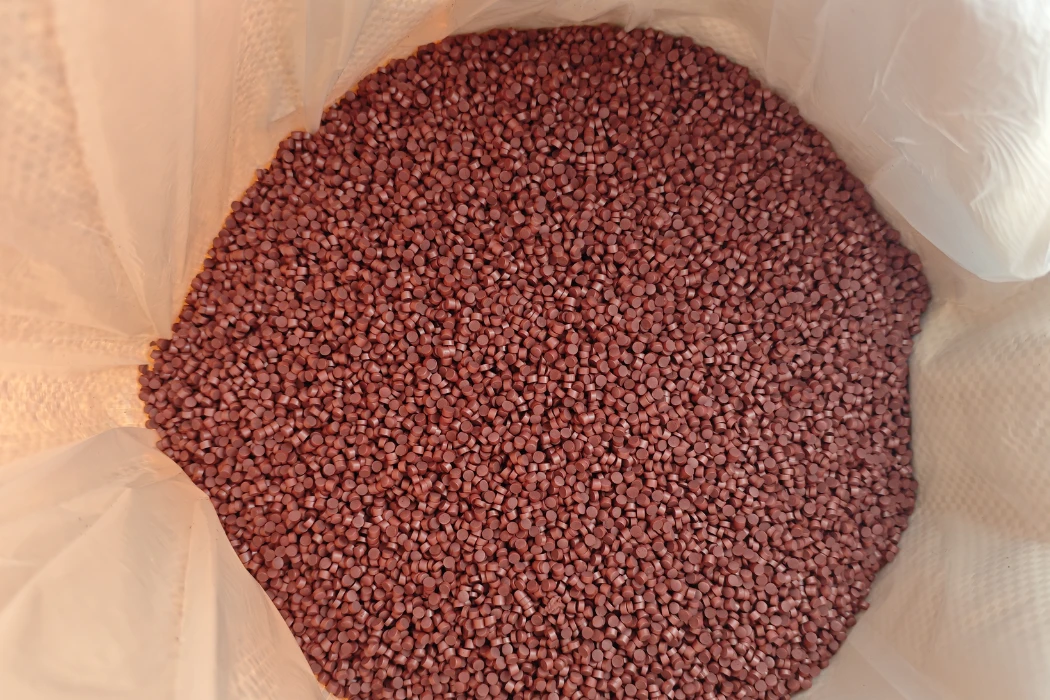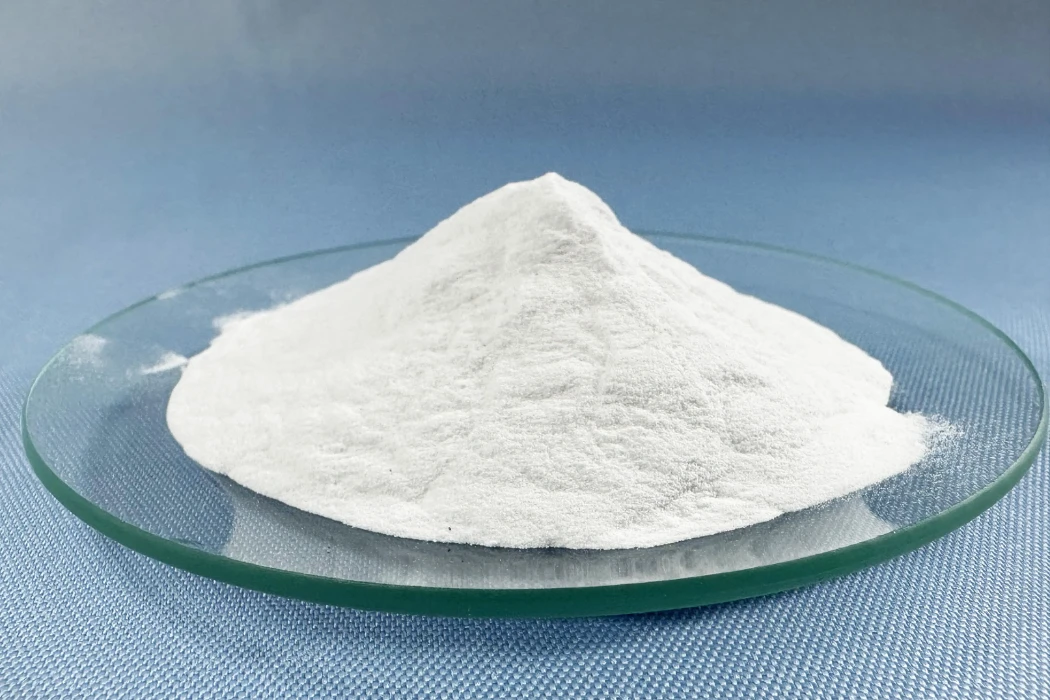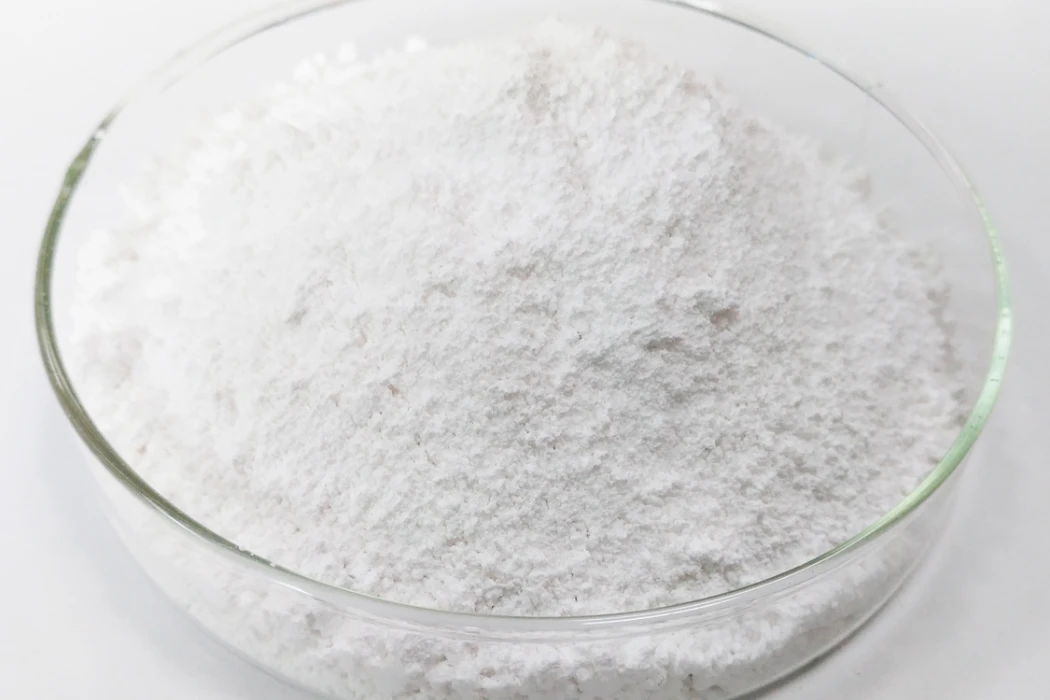


A flame retardant is a functional additive that imparts flame resistance to flammable polymers, mainly designed for flame retardancy of polymer materials. There are many types of flame retardants, and common classification methods are as follows:
1. By method of use: divided into additive flame retardants and reactive flame retardants. Among them, additive flame retardants can be further divided into organic flame retardants (such as bromine-based, phosphorus-nitrogen-based, nitrogen-based, etc.) and inorganic flame retardants (such as antimony trioxide, magnesium hydroxide, aluminum hydroxide, etc.). Reactive flame retardants are monomers that participate in polymerization reactions, thus making the polymer itself contain flame retardant components. Their advantages include minimal impact on the performance of polymer materials and long-lasting flame retardancy.
2. By element type: halogen-based, phosphorus-based, nitrogen-based, silicon-based, etc.
3. By chemical structure: divided into inorganic flame retardants, organic flame retardants (including halogen-based, phosphorus-based, etc.), polymer flame retardants, etc.
Reactive flame retardants refer to those that participate as monomers in the polymer synthesis process, and their flame retardant properties can directly affect the polymer. Reactive flame retardants mainly include the following types:
1. 2,3-dibromopropanol: is a reactive flame retardant, mainly used for flame retardancy of thermosetting resins such as polyurethane, epoxy resin, unsaturated polyester, phenolic resin, etc.
2. Dibromophenol: also a reactive flame retardant, used for flame retardancy of thermosetting resins.
3. Tetrabromophthalic anhydride: also a reactive flame retardant, used for flame retardancy of thermosetting resins such as polyurethane, epoxy resin, unsaturated polyester, etc.
The current usage of reactive flame retardants is relatively low because their application is inconvenient and the variety is limited.