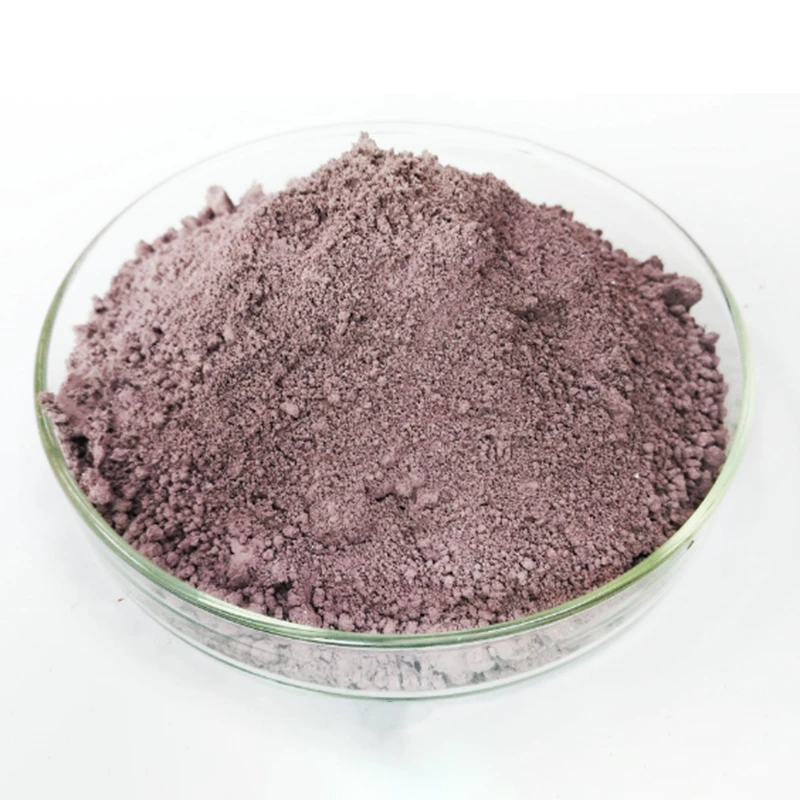

Flame Retardant for Ink and Coatings - The application scenarios of inks and coatings continue to expand, from electronic circuits to children's toys, from architectural decoration to industrial packaging. Their flame retardant performance has become an “invisible defense line” for safety. To correctly select a flame retardant for ink and coatings, it is necessary to comprehensively consider multiple requirements such as flame retardant efficiency, system compatibility, optical performance, and environmental regulations.
The primary principle is to balance high efficiency flame retardancy with environmental protection. The phosphorus-nitrogen synergistic system generates phosphoric anhydride and nitrogen gas during combustion, forming an insulating carbon layer and diluting oxygen concentration. It can achieve UL94 V-0 flame retardant standard and comply with RoHS, REACH and other environmental regulations. Traditional brominated flame retardants are increasingly restricted due to environmental risks, and halogen-free phosphorus-nitrogen systems have become the mainstream choice.
Compatibility with the ink system is crucial. The flame retardant needs to be uniformly dispersed in the ink without affecting rheological properties. Excessive particle size can easily cause abnormal viscosity or coating defects. Transparent inks require inorganic flame retardants with particle size ≤5μm or reactive phosphorus-based flame retardants to maintain transmittance. The thermal stability of the flame retardant must match processing conditions; low-temperature thermosetting inks require that it does not decompose prematurely during drying.
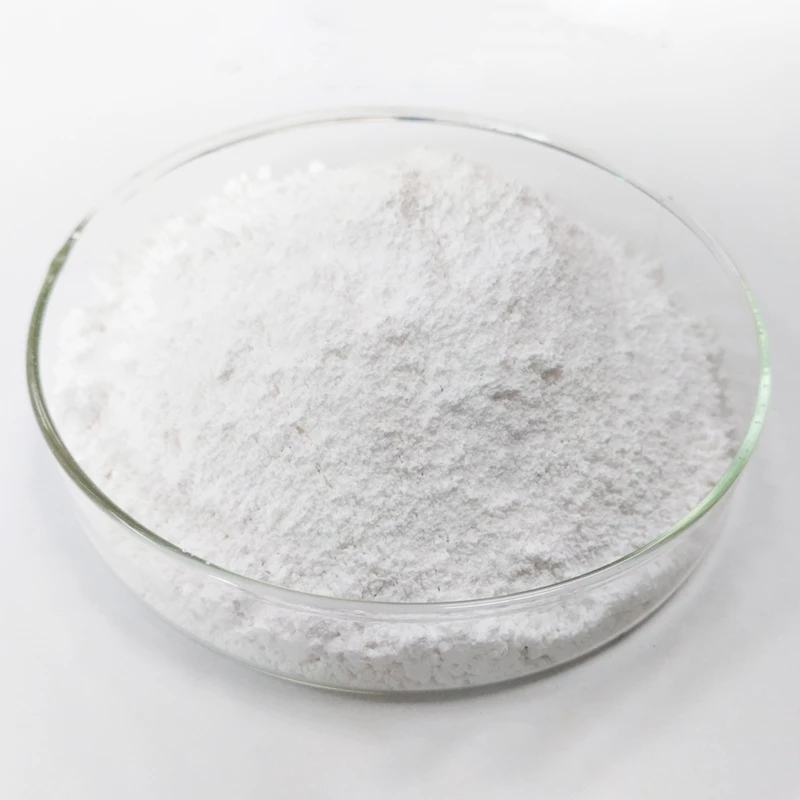
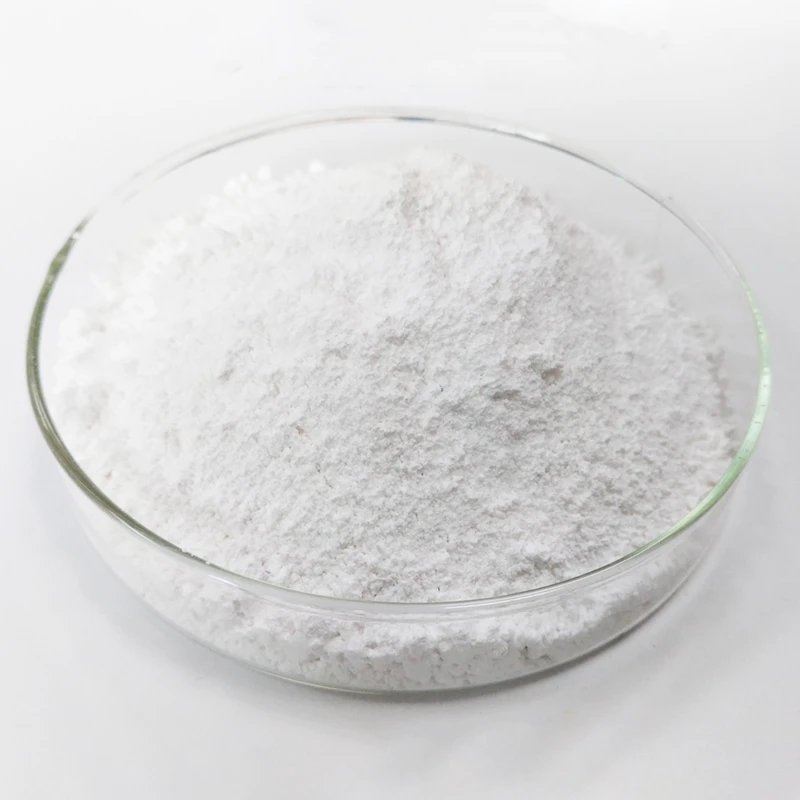
Dongguan Hongtai Ji Flame Retardant Materials Co., Ltd. has been deeply engaged in the research and development of environmentally friendly flame retardants for more than 20 years. Its self-developed phosphorus-nitrogen halogen-free environmentally friendly flame retardant specifically for inks is a white powder with particle size D50 ≤ 5μm, whiteness >95, active ingredient ≥99.5%, featuring small particle size, easy dispersion, and high flame retardant efficiency. This product is mainly used for polyester, epoxy resin, acrylic fire-retardant paints or coatings, and flame retardant for electronic and electrical product tapes and adhesive cloths. If high surface requirements are needed, use a sand mill toflame retardantgrind with solvent 3-4 times, then add glue and other components to disperse.
Hongtai Ji also holds patented technology for halogen-free flame retardants for acrylic inks. Through dual surface modification and vapor deposition processes, it solves the problems of dispersibility and thermal stability of flame retardants in inks.