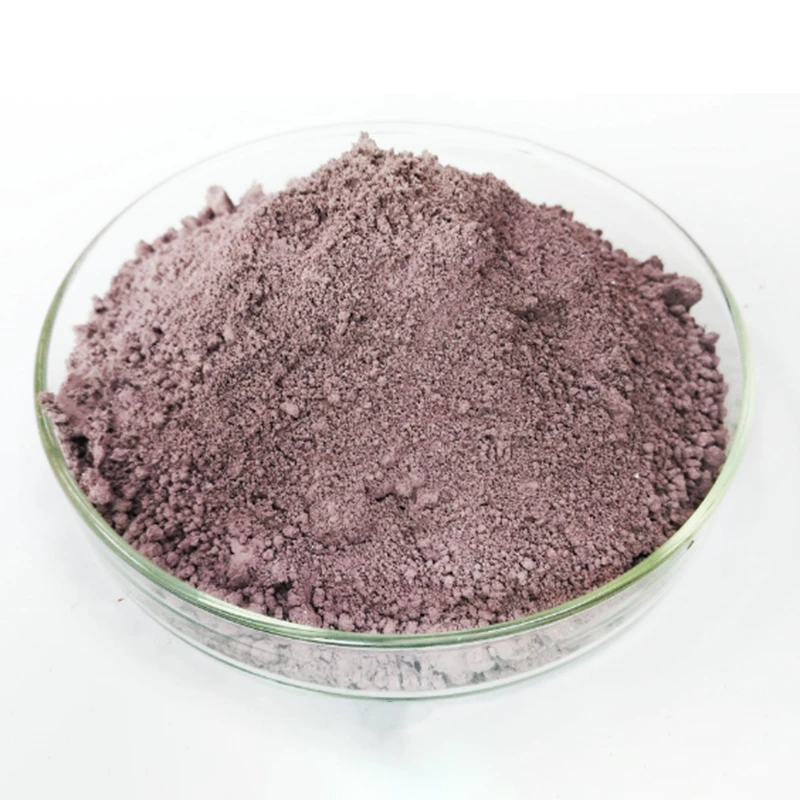

MPP flame retardant - Melamine Pyrophosphate (abbreviated as MPP) is an efficient, environmentally friendly phosphorus-nitrogen halogen-free flame retardant. With excellent thermal stability (decomposition temperature >300°C) and a phosphorus-nitrogen synergistic flame retardant mechanism, it has become an ideal choice for engineering plastics, rubber, and fireproof coatings.
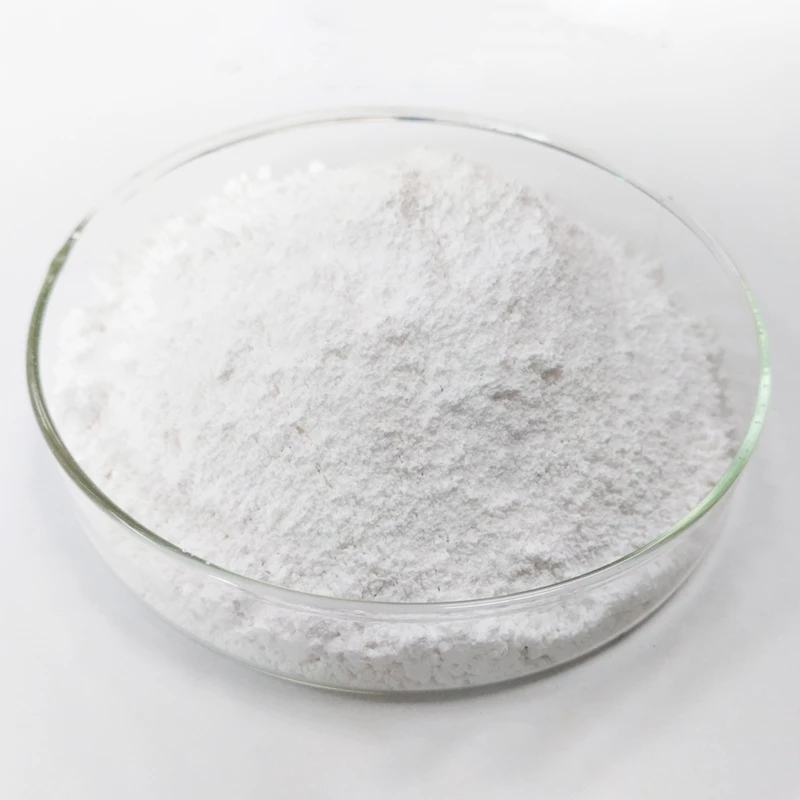
Dongguan Hongtaiji Flame Retardant Materials Co., Ltd., as a national high-tech enterprise and a specialized and new enterprise, has been deeply involved in the R&D and production of environmentally friendly flame retardants for more than 20 years. The company's self-developed MPP product is a white fine powder, with phosphorus content >14%, nitrogen content >38%, and possesses characteristics such as fine particle size, good dispersibility, non-hygroscopic, and extremely low water solubility. It complies with ROHS directive and REACH regulation standards.
The core application areas of MPP include:
Engineering plastics and glass fiber reinforced nylon:MPP flame retardantThrough the phosphorus-nitrogen synergistic effect, it forms a dense intumescent carbon layer and releases inert gases at high temperatures, effectively interrupting the combustion chain reaction. In glass fiber reinforced PA6, when compounded with aluminum diethylphosphinate (ADP), a total addition of 20% can achieve UL94 V-0 rating, while solving the “candle wick effect” problem of glass fiber. MPP can withstand the high-temperature processing environment of PA66, maintaining the mechanical properties of the material, and is widely used in new energy vehicle battery housings, electronic connectors, and other components.
Fireproof coatings and acrylic emulsions: MPP has both acid source and gas source functions. The foam carbon layer formed in intumescent fireproof coatings can achieve a fire resistance limit of more than 1 hour, with performance superior to traditional ammonium polyphosphate (APP).
Rubber and specialty materials: Adding MPP to silicone rubber and styrene-butadiene rubber can reduce smoke density and improve processing fluidity, making it suitable for seals and cushioning materials.