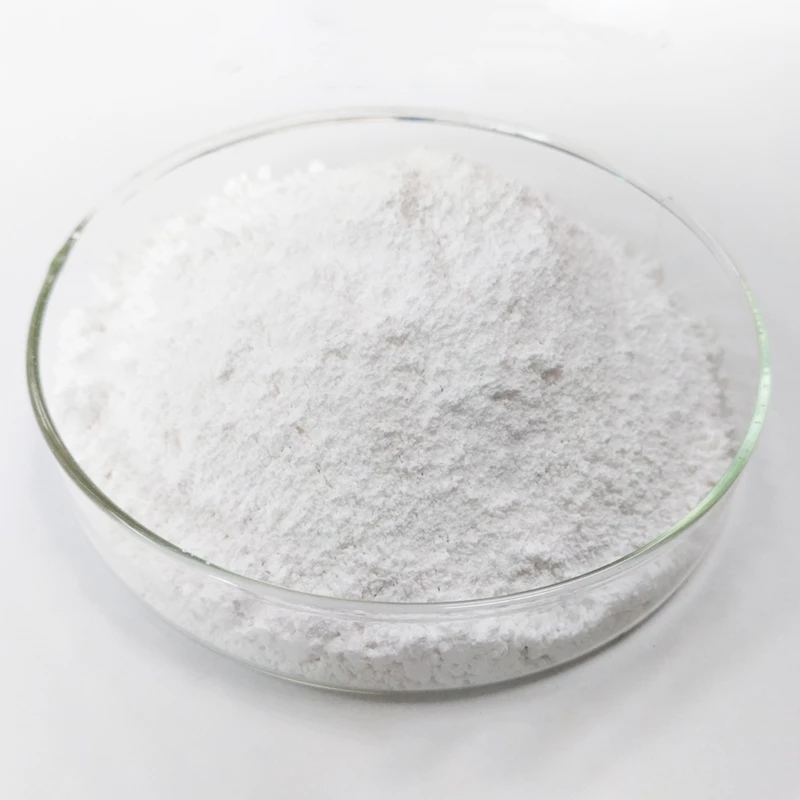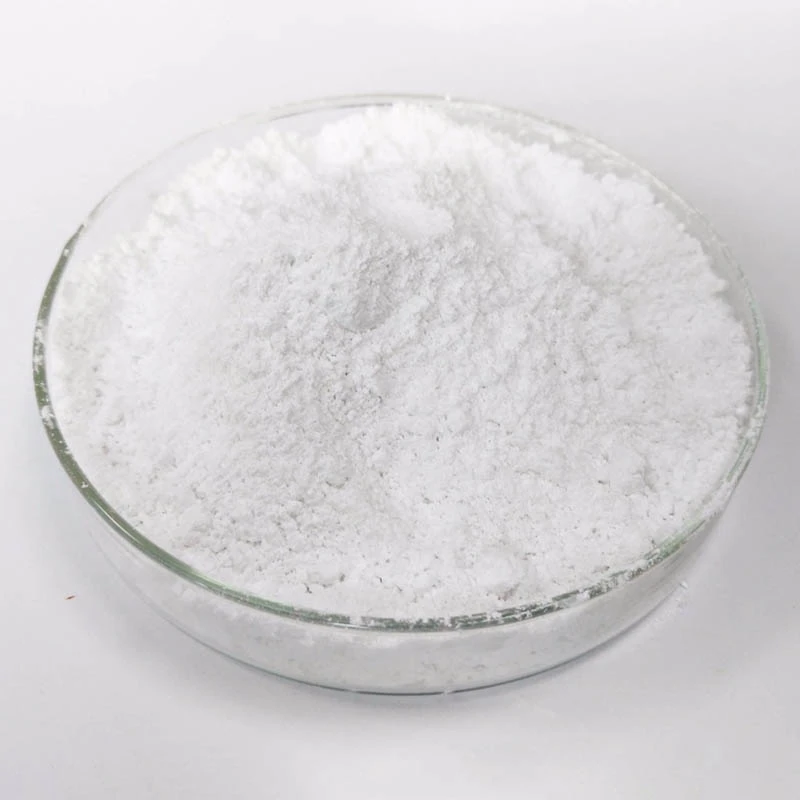

Many coating manufacturers ask: phosphorus-nitrogen flame retardants have high flame-retardant efficiency, so why do problems arise as soon as they are added to water-based coatings? Here, a premise must first be clarified — phosphorus-nitrogen systems (especially the intumescent system composed of ammonium polyphosphate APP, melamine, and pentaerythritol) are in fact the mainstream route for water-based fire-retardant coatings. The so-called “cannot be used” refers to unmodified ordinary phosphorus-nitrogen powders being put directly into the water phase, which exposes a series of compatibility problems; it does not mean that phosphorus-nitrogen systems as a whole are rejected by water-based coatings. Only by making this distinction clear will selection not go astray.
When ordinary phosphorus-nitrogen systems go directly into a water-based system, the first hurdle is the contradiction between water solubility and water resistance. The ammonium polyphosphate, melamine, and pentaerythritol in the intumescent ternary system all have varying degrees of water solubility, and the ammonium ions on the APP chain will also undergo displacement reactions with hydrogen ions in water. During water-phase storage or when the coating is soaked in water, the flame-retardant components dissolve, migrate, and precipitate with the water; a large amount of flame retardant is lost, and during combustion a continuous and complete intumescent char layer cannot form, causing the fire rating to plummet. This is also the root cause of ordinary water-based fire-retardant coatings being “afraid of water, afraid of moisture, and failing after long storage.” The second hurdle is dispersion stability. Water-based film-forming substances are emulsions or water dispersions with specific pH values and emulsification systems. Ordinary phosphorus-nitrogen powder has coarse particles and a hydrophilic surface without interfacial treatment, so when added it tends to agglomerate, settle, and stratify, and in severe cases even demulsify, causing particles, pinholes, and uneven gloss in the coating. The third hurdle is system compatibility and performance trade-offs. Phosphorus-nitrogen components are sensitive to pH and electrolytes, and after addition may affect emulsion stability and curing film formation; at the same time, achieving a fire rating often requires a relatively high loading, which easily raises viscosity, makes the paint film brittle, and reduces adhesion and scrub resistance, clashing with the appearance and mechanical properties required by coatings. In addition, the decomposition temperature and particle size of ordinary APP do not match the room-temperature film-forming process of the emulsion, which can also cause construction problems such as bubbling during drying and coarsening.
Therefore, the correct approach is not to shut phosphorus-nitrogen systems out, but first to solve the word “compatibility.” In selection, priority should be given to phosphorus-nitrogen/intumescent flame retardants that have undergone hydrophobic coating, microencapsulation, or surface modification, using a protective film to seal off water-soluble groups, reduce leaching in water, and at the same time improve suspension stability in the water phase; in the formula, dispersants, wetting agents, and film-forming aids should be used to adjust pH and rheology, helping the powder disperse evenly without destroying the emulsion; then the addition amount should be determined according to film thickness, indoor/outdoor use, and moisture resistance requirements, and when necessary, synergistic agents should be compounded to improve char layer strength and expansion rate. Before production, be sure to conduct water-soaking retention, water resistance tests, and small-scale trials to confirm that the rating is stable and that appearance and adhesion meet standards, and only then scale up production.
Dongguan Hongtaiji Flame Retardant Materials provides coated and modified water-resistant phosphorus-nitrogen flame-retardant solutions for water-based coating scenarios, reducing the risks of water leaching and settling, with free samples and one-on-one formula debugging, and all products comply with the RoHS Directive and REACH regulatory standards, suitable for architectural fire-retardant coatings, wood lacquers, and industrial water-based coatings.