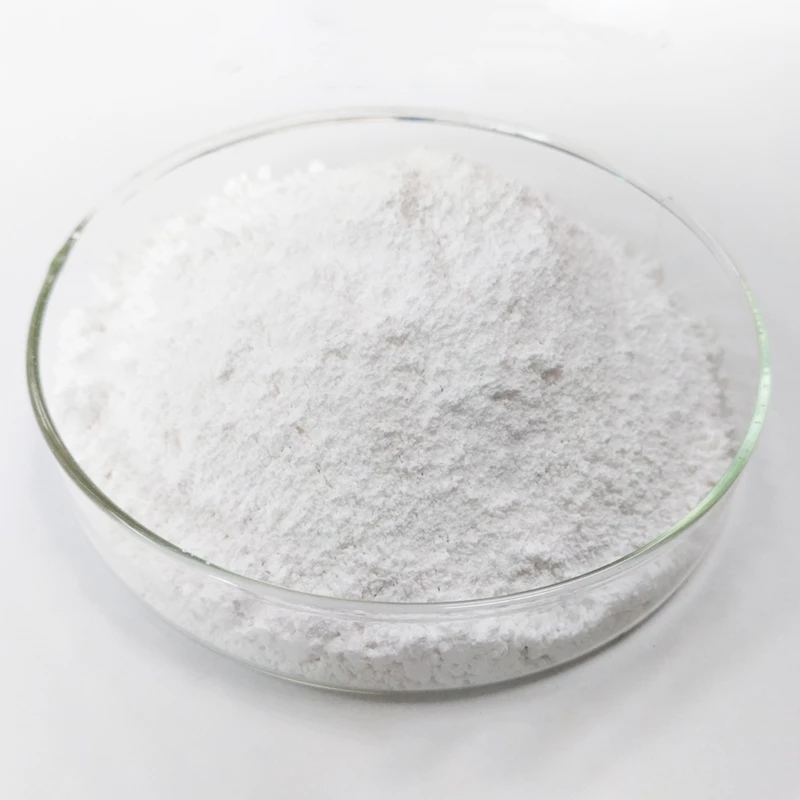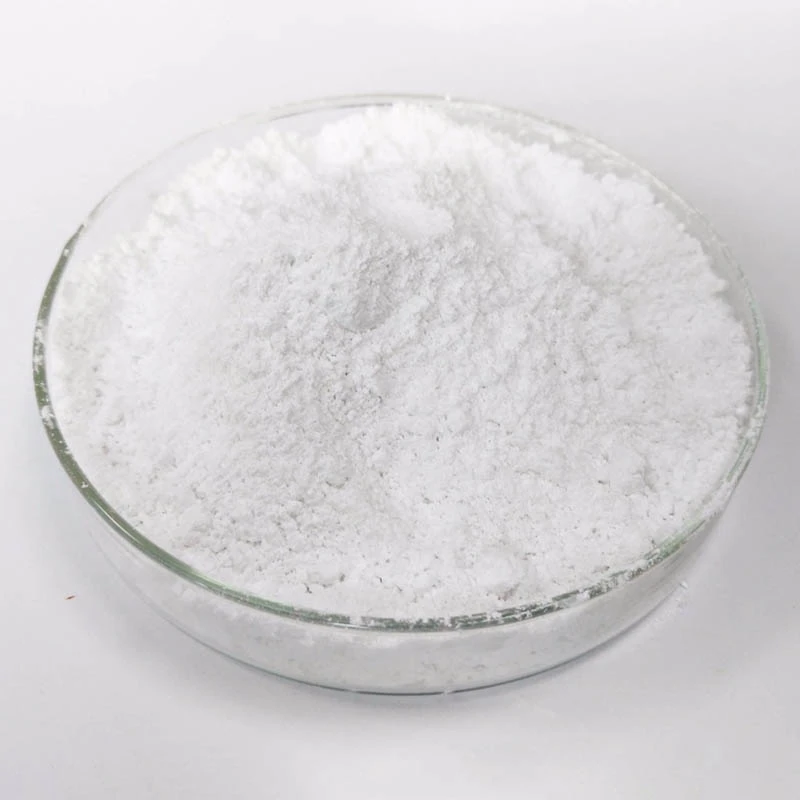

In halogen-free flame-retardant modification systems for silicone rubber, aluminum hydroxide (ATH) and melamine cyanurate (MCA) are two mainstream fillers with significantly different positioning: the former is the industry's most widely adopted low-cost inorganic flame-retardant solution, while the latter is a nitrogen-based flame-retardant route featuring low loading and high elasticity retention. The two differ fundamentally in flame-retardant mechanism, impact on mechanical properties, processing compatibility, and applicable scenarios. Choosing the right system is key to balancing the flame-retardant rating, physical properties, and overall cost of silicone rubber products.
From the perspective of mechanism of action and actual performance, the differences between the two are very clear. Aluminum hydroxide is a typical endothermic decomposition flame retardant. It achieves flame retardancy by decomposing at high temperatures to release water of crystallization, taking away heat, and forming an alumina heat-insulating layer. Its advantages are low cost, good smoke suppression, and stable whiteness. Its disadvantage is relatively low flame-retardant efficiency; usually a high loading of 50–60 phr is required to reach UL94 V-0. High loading directly causes increased hardness of silicone rubber and a significant decrease in resilience and elongation at break. The product is hard and prone to cracking, and it is only suitable for thick-walled products with low mechanical property requirements. At the same time, the initial decomposition temperature of aluminum hydroxide is only 180–200°C, close to the processing temperature of some silicone rubbers; improper control can easily lead to defects such as blistering and pores in the product. MCA is a nitrogen-based intumescent flame retardant. It achieves flame retardancy through the dual action of gas-phase dilution and condensed-phase char formation. Its decomposition releases inert gases such as nitrogen to dilute combustible concentration, while promoting the formation of a dense char layer that blocks heat transfer. Its flame-retardant efficiency is much higher than that of aluminum hydroxide; usually 25–30 phr can achieve the same flame-retardant rating. It has minimal impact on the elasticity and tensile properties of silicone rubber, preserving the substrate's original softness and resilience to the greatest extent, and its initial decomposition temperature is around 300°C, making it suitable for high-temperature processing of silicone rubber. It should be noted that ordinary MCA contains free amino groups, and when used directly in addition-curing liquid silicone rubber, it can easily cause platinum catalyst poisoning. Coated modified or dedicated grades should be selected, and the raw material cost is higher than that of aluminum hydroxide.
From the perspective of actual selection, for scenarios pursuing ultimate cost control, thick-wall extruded products, and low elasticity requirements, such as ordinary power insulators and low-end sealing strips, the aluminum hydroxide flame-retardant system is preferred; for scenarios focusing on high elasticity, low hardness, thin-wall products, and high-end appearance parts, such as new energy sealing rings, thermally conductive silicone pads, and smart wearable watch bands, the MCA flame-retardant system is more suitable. A compound system of ATH and MCA can also be used to achieve a balance between cost and performance. Dongguan Hongtaiji Flame Retardant Materials has launched dedicated halogen-free flame-retardant products for different silicone rubber application scenarios, adapting to the flame-retardant requirements of various thick-wall and thin-wall silicone rubber products. The entire product series complies with RoHS and REACH environmental standards.
As silicone rubber applications in new energy, electronics, and rail transit continue to become more segmented, a single flame-retardant system can no longer cover diverse performance requirements. Only by accurately selecting or compounding aluminum hydroxide and MCA systems based on product thickness, hardness requirements, and cost positioning can the material characteristics and market competitiveness of silicone rubber be maximized while meeting fire safety standards.