
Silicone rubber, with its excellent high- and low-temperature resistance, weathering aging resistance, and electrical insulation properties, is widely used in scenarios such as new energy power battery sealing rings, electronic thermally conductive silicone pads, power composite insulators, rail transit damping sealing strips, and smart wearable watch bands. However, pure silicone rubber itself has a limiting oxygen index of only about 21%, and in the UL94 vertical burn test it usually only reaches HB grade; when exposed to fire, it can continue to burn and is accompanied by melt dripping, so it cannot meet the stringent fire safety standards of various industries. As safety requirements in the new energy and electronic power fields continue to escalate, flame-retardant modification of silicone rubber has changed from an optional process to a mandatory requirement for products entering the market, and selecting the right suitable flame retardant system is the core factor determining the flame-retardant effect of silicone and the overall performance of the product.
Unlike ordinary engineering plastics, which rely on self-charring to achieve flame retardancy, the siloxane backbone of silicone rubber mainly generates silicon dioxide at high temperatures and cannot autonomously form a dense protective char layer. Therefore, flame-retardant solutions from the plastics field cannot be directly applied; a dedicated flame-retardant system needs to be designed according to the characteristics of the silicone substrate. At present, the mainstream halogen-free flame-retardant technology routes in the industry are mainly divided into three: First, the aluminum hydroxide (ATH) inorganic filling route, which absorbs heat and cools by decomposing to release water of crystallization and generates an aluminum oxide thermal insulation layer. It is low in cost but requires a high filling amount, easily damages the elasticity and tensile properties of silicone, and is mostly used for thick-walled products with low mechanical requirements; Second, the phosphorus-nitrogen intumescent flame-retardant route, which improves flame-retardant efficiency through the synergistic effect of catalytic char formation and gas-phase dilution. It has a lower filling amount and is suitable for mid-to-high-end scenarios with higher mechanical performance requirements; Third, the platinum-based synergistic flame-retardant route. This is a technical path unique to silicone rubber. A trace amount of platinum compounds can catalyze rapid crosslinking of silicone to form a dense SiO₂-C composite char layer, with high flame-retardant efficiency and an extremely small addition amount. It is often used in combination with ATH to ensure flame-retardant effect while reducing the total filling amount, balancing flame-retardant grade and the original elasticity of silicone.
There are several key details in silicone rubber flame-retardant formulation design that directly determine the performance and long-term stability of the final product. First is the matching of the vulcanization system. Addition-cure liquid silicone rubber (LSR) relies on a platinum catalyst for vulcanization. If a phosphorus-nitrogen flame retardant containing free amino groups is used directly, it can cause catalyst poisoning, delayed vulcanization, or incomplete curing. Therefore, an amino-free flame-retardant system or a product modified by special encapsulation should be selected, while condensation-cure RTV silicone has broader compatibility. Next is the influence of product thickness. The UL94 V-0 test is extremely sensitive to thickness. Thin-walled silicone products below 1 mm have much higher requirements for flame-retardant system efficiency than 3 mm thick products, so the flame retardant ratio and particle size need to be optimized accordingly. In addition, the surface treatment of flame-retardant fillers is also crucial. Fillers modified with silane coupling agents have better compatibility with the silicone matrix, can effectively reduce precipitation and blooming, and simultaneously improve mechanical properties and flame-retardant efficiency, making them more suitable for long-term outdoor use scenarios.
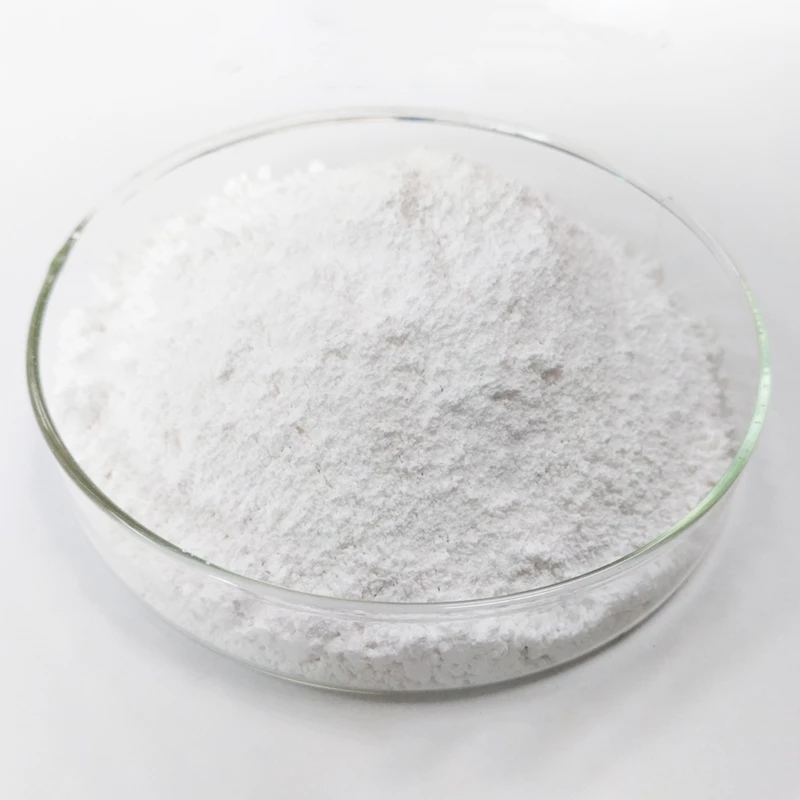
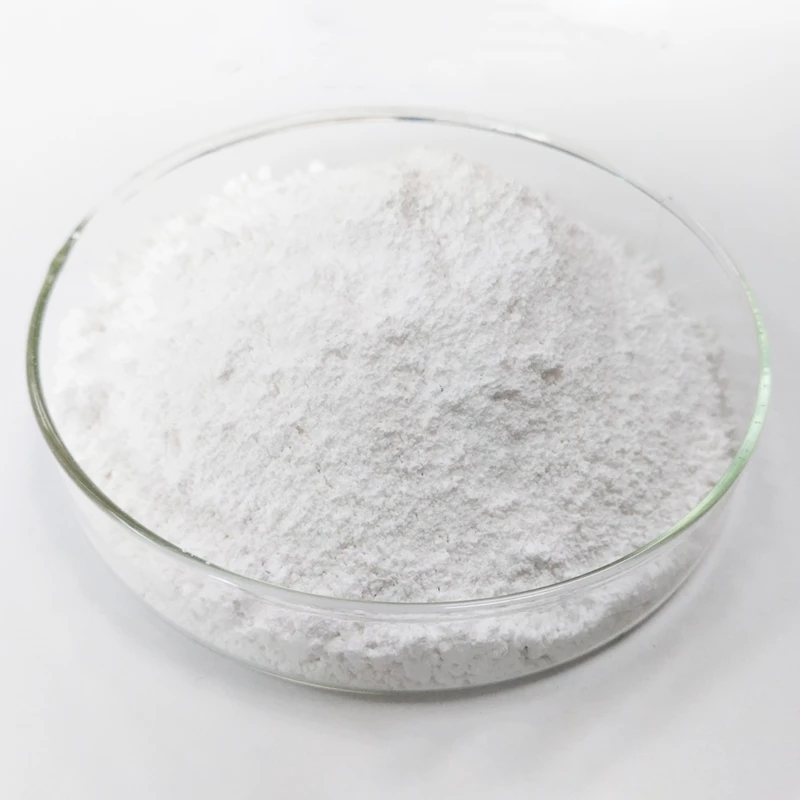
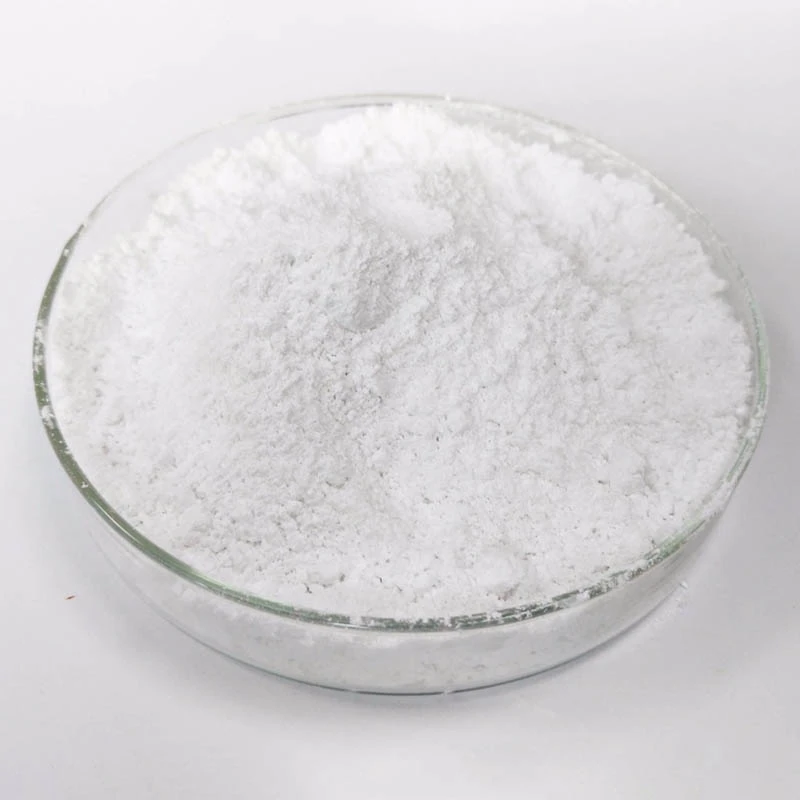
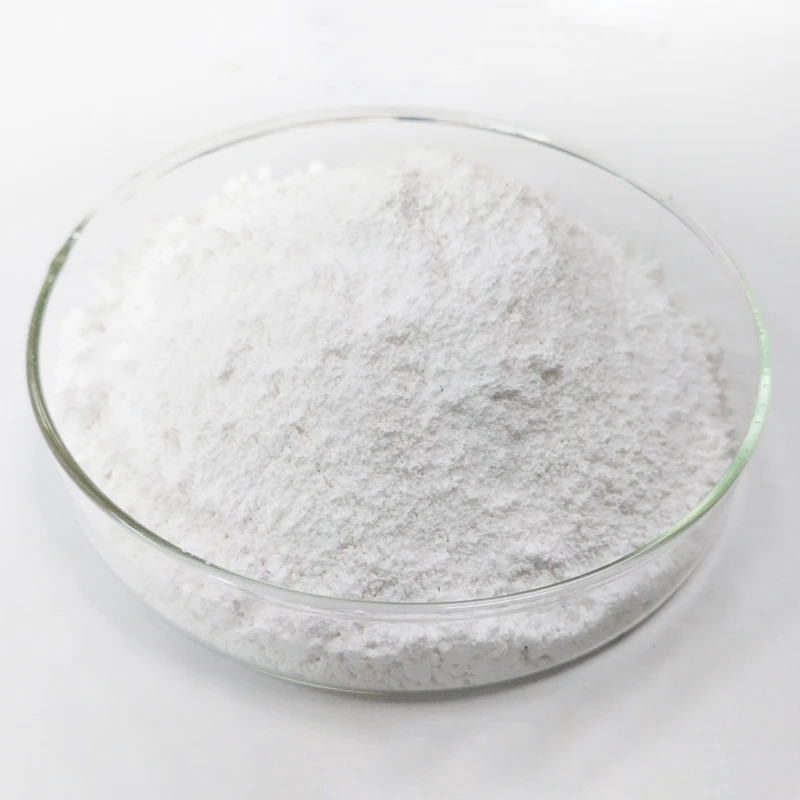
Dongguan Hongtaiji Flame Retardant Materials has developed a dedicated halogen-free flame retardant series for silicone rubber systems. Among them, FR-562A is suitable for thin-walled silicone scenarios and combines good compatibility and anti-precipitation performance. While achieving UL94 V-0 grade, it can retain the original resilience and surface smoothness of silicone. The entire series complies with RoHS and REACH